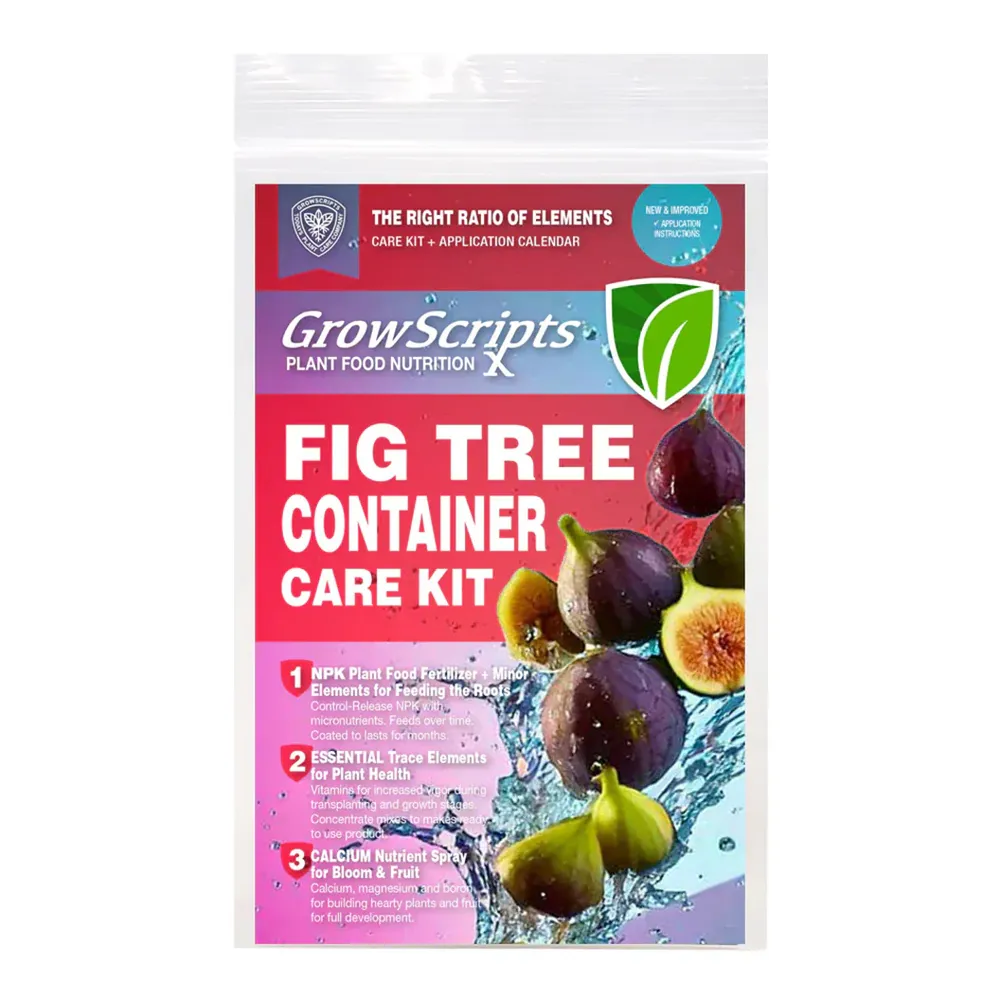
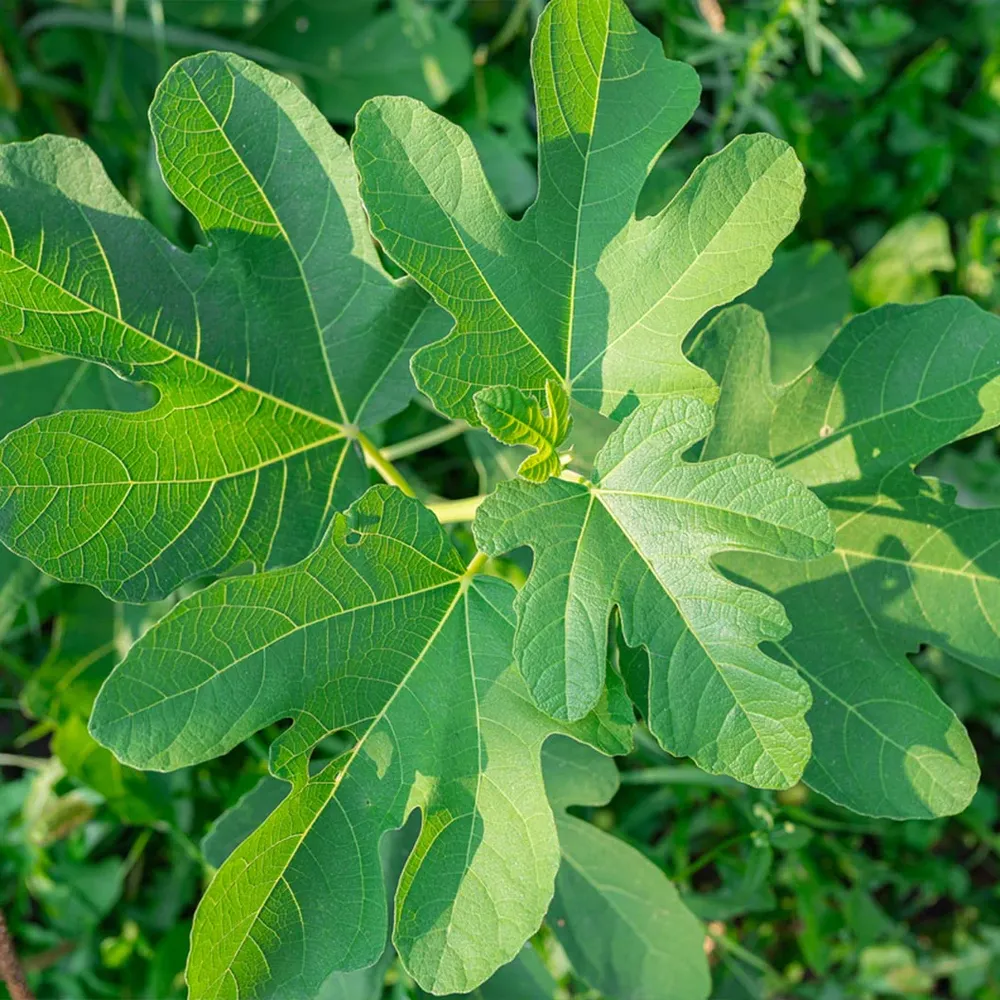
Violette de Bordeaux Fig Tree - USDA Organic Heirloom Fruit Plant
$90.95
- USDA Organic certified heirloom fig variety
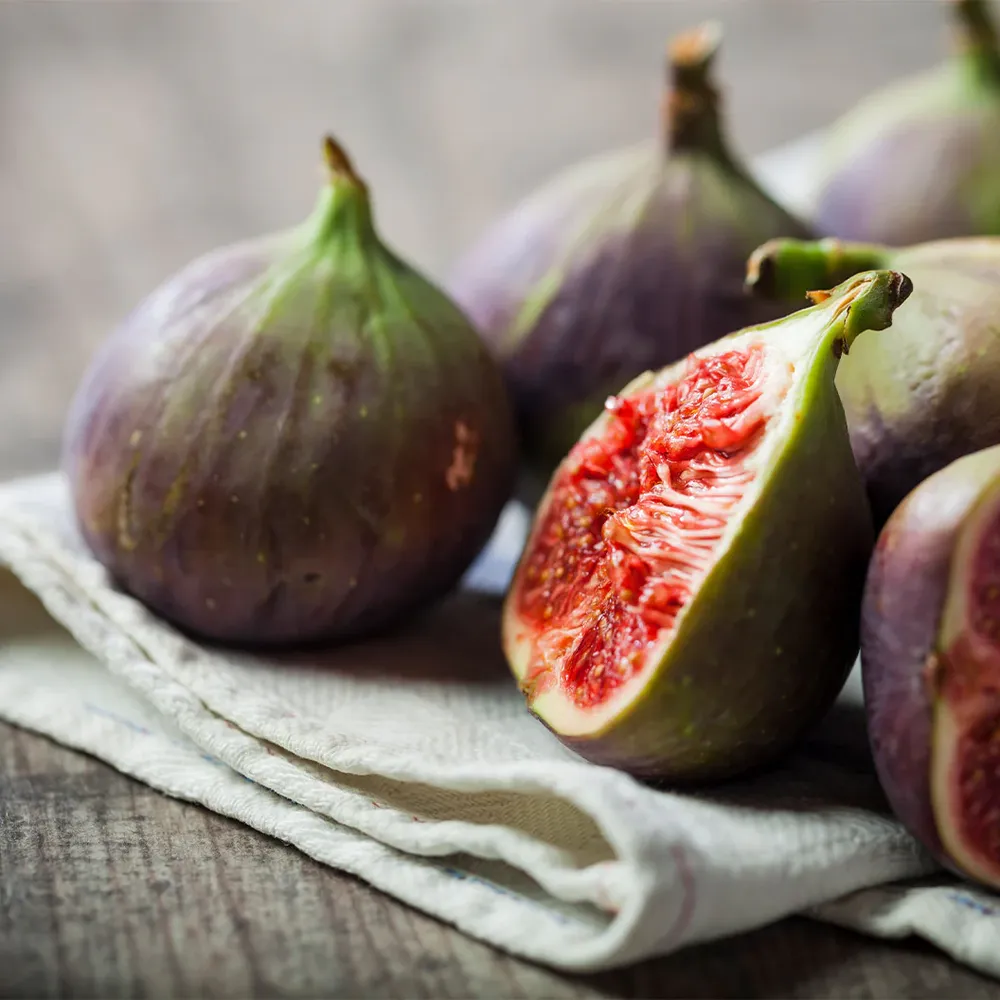
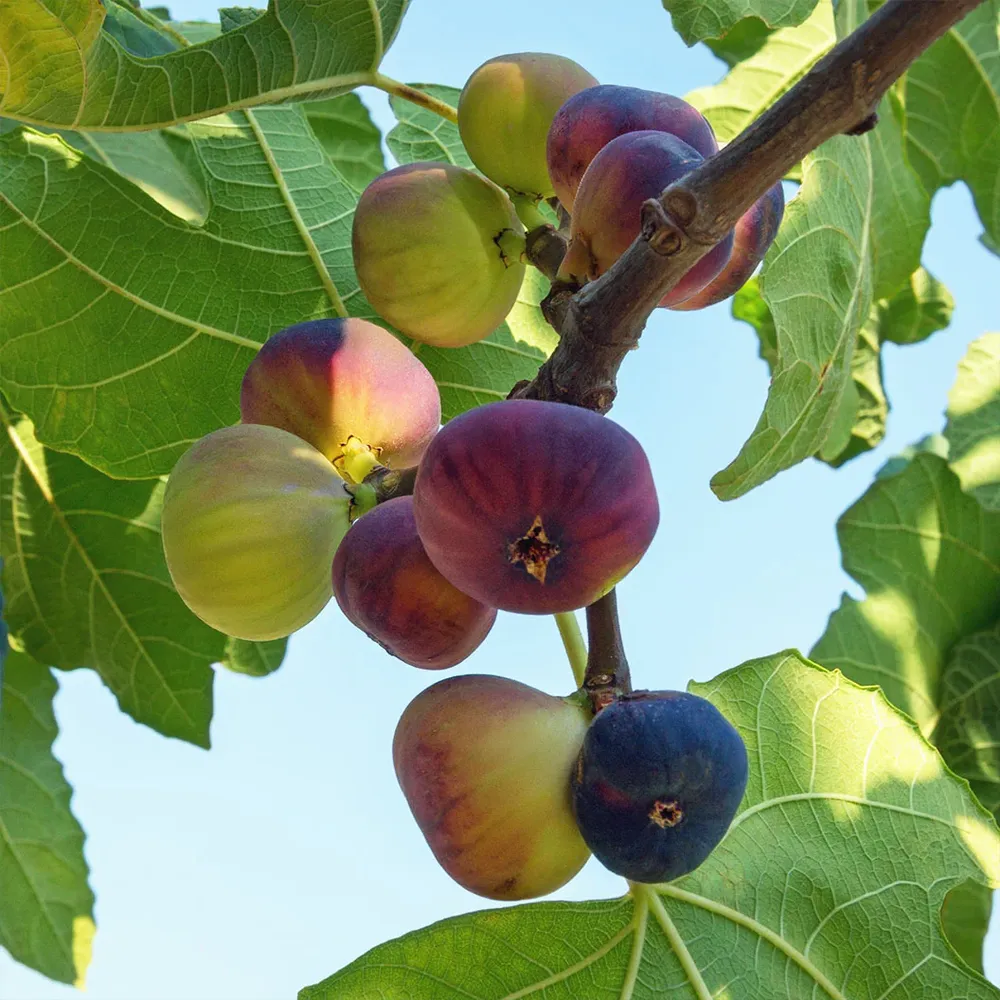
- Produces small to medium-sized dark purple figs with deep red, jam-like interior
- Adaptable to container gardening and small landscape spaces
- Suitable for zones 6-10 with proper winter protection
- Self-fertile variety requiring no additional pollinators
Size: 1 gallon
Cultivating the Violette de Bordeaux Fig Tree
The Violette de Bordeaux is a highly regarded heirloom fig variety, recognized for its compact growth habit and exceptional fruit quality. This USDA organic plant is suitable for both home orchardists and container gardeners looking to produce high-quality fruit in limited spaces.
Growth and Fruit Characteristics
This variety is characterized by its slow-growing, manageable size, making it an appropriate choice for patio pots or small garden beds. The fruit features a dark violet-to-black skin with a deep, strawberry-red pulp. The texture is dense and sweet, often described as having a rich, complex flavor profile suitable for fresh consumption or preserves.
Cultivation and Care Requirements
- Soil Requirements: Thrives in well-draining, fertile soil with a neutral to slightly alkaline pH. Ensure consistent moisture during the fruit-setting period.
- Sun Exposure: Requires full sun exposure for at least 6 to 8 hours daily to maximize sugar content in the fruit.
- Climate Adaptability: While hardy in zones 6 through 10, container-grown plants should be moved to a sheltered location during freezing temperatures to protect the root system.
- Maintenance: Pruning should be performed during the dormant season to maintain shape and encourage new growth for the following season's fruit production.
Planting Recommendations
When transplanting, ensure the root ball is placed at the same depth as it was in its nursery container. Regular monitoring for common fig pests, such as mites or scale, is recommended to maintain plant health. Consistent watering schedules and balanced organic fertilization during the active growing season support steady development and fruit yield.
You May Also Like
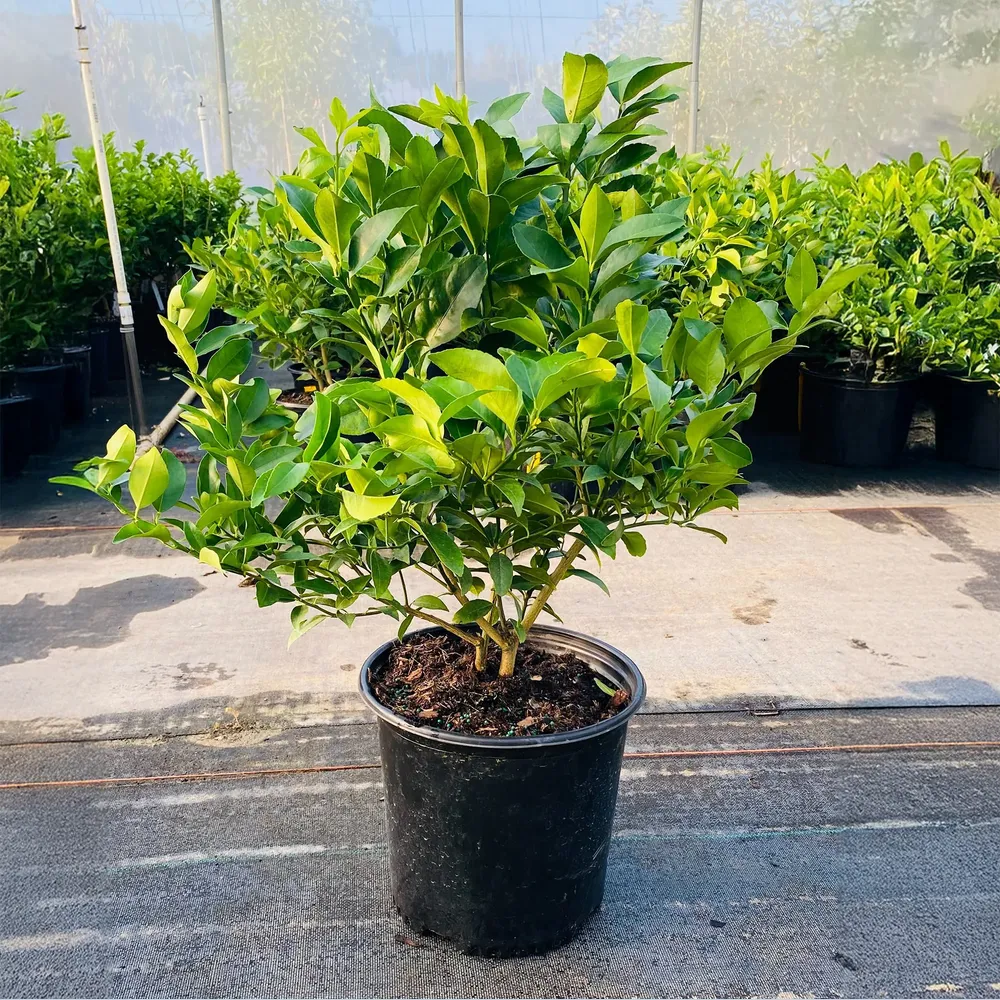
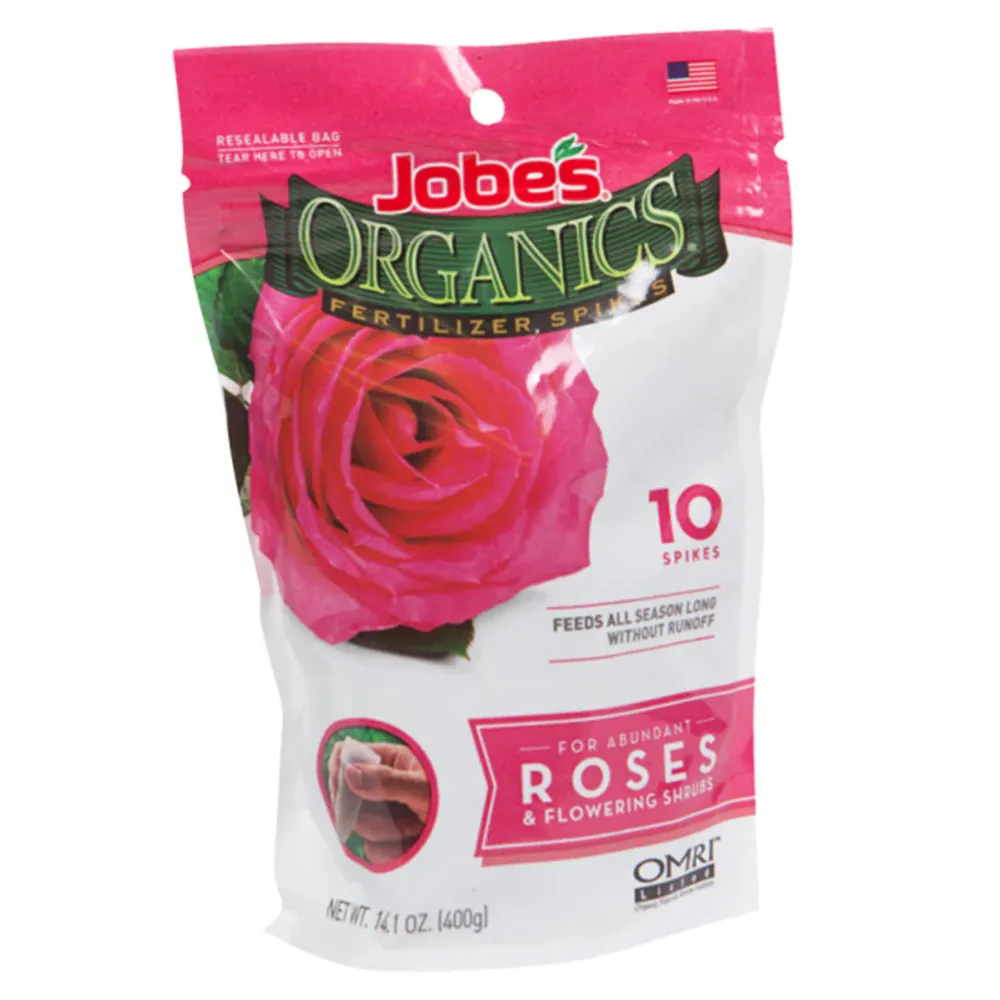
Jobe's Rose Fertilizer Spikes - Slow-Release Nutrient Delivery System
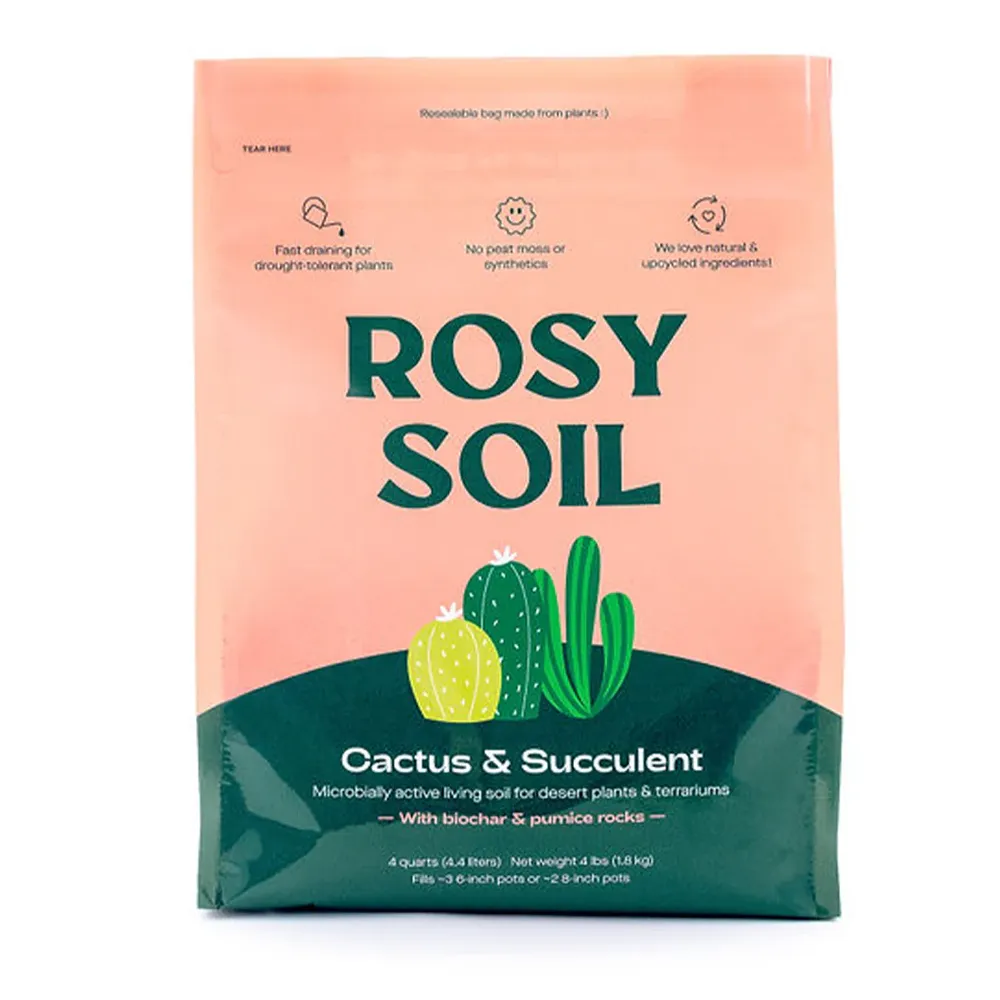
Cactus and Succulent Potting Mix - Fast-Draining Soil Blend for Indoor Plants
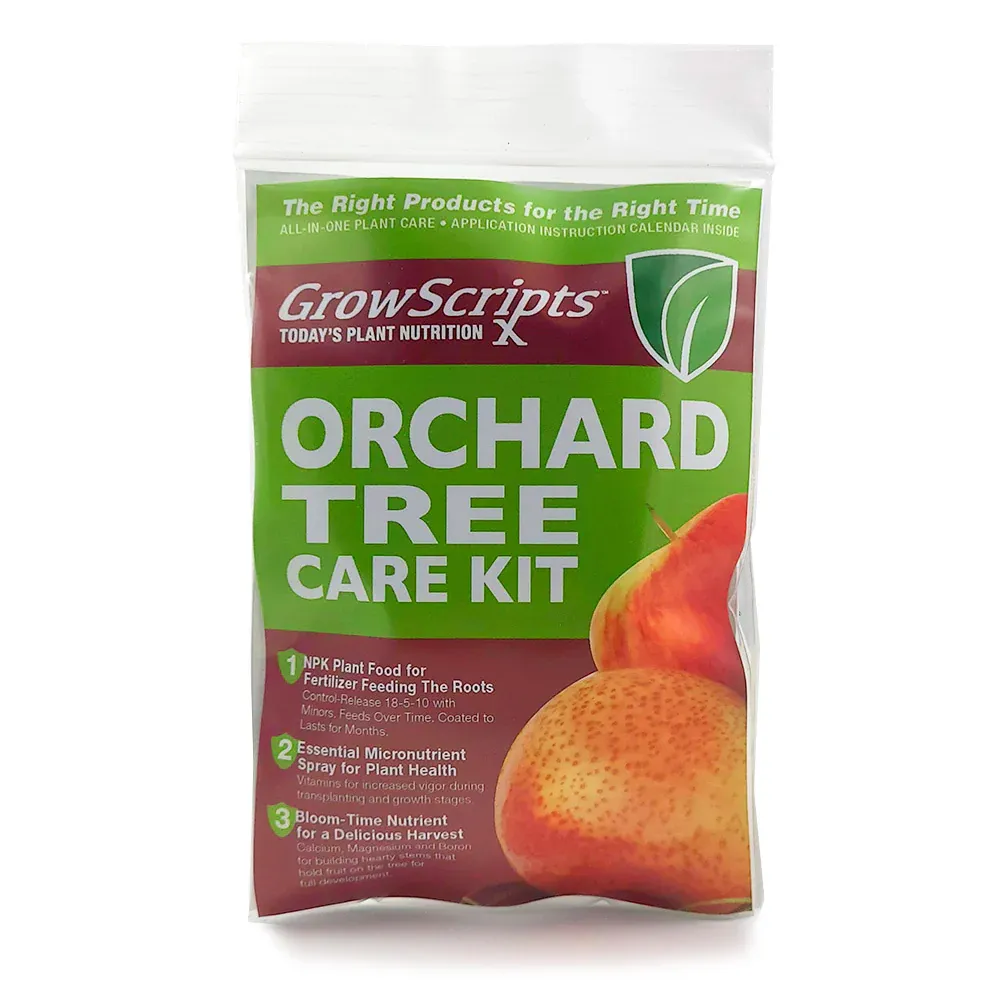
Orchard Tree Care Kit for Fruit Tree Growth and Maintenance
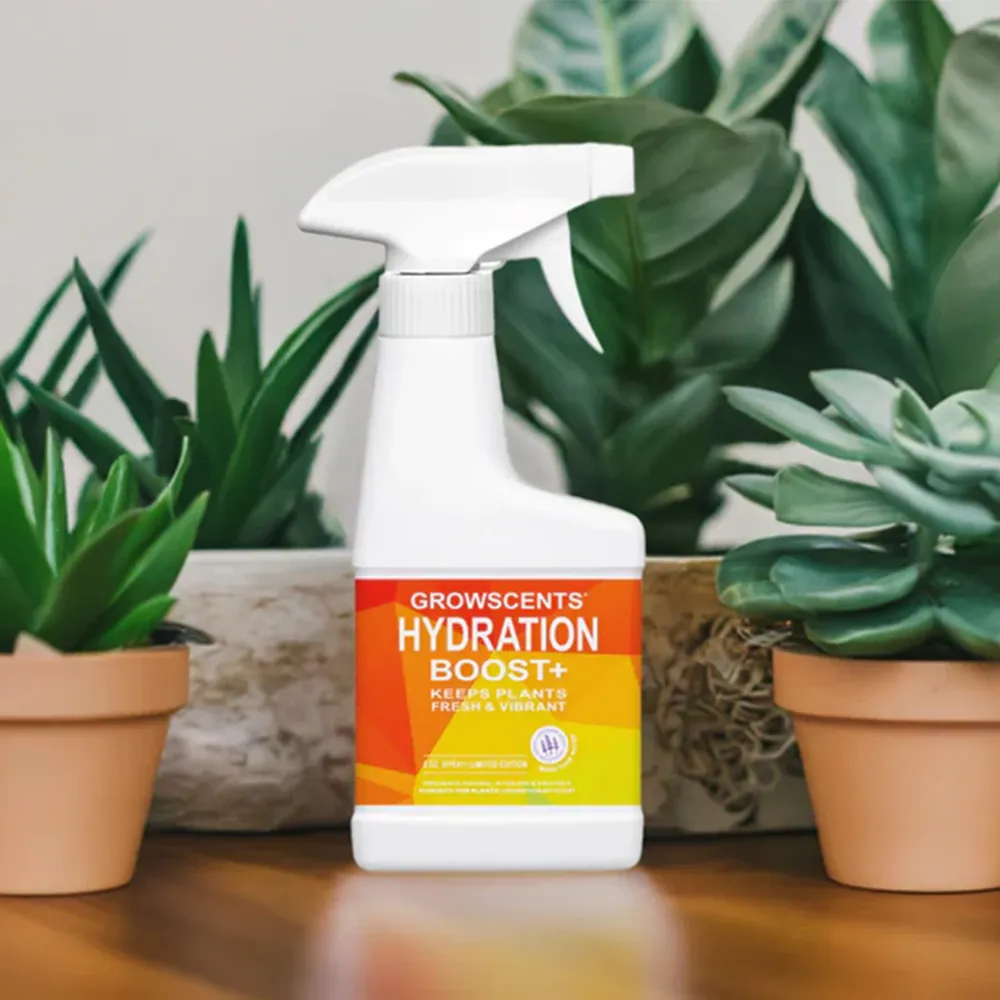
Hydration Boost + Electrolyte Supplement Powder for Daily Hydration Support
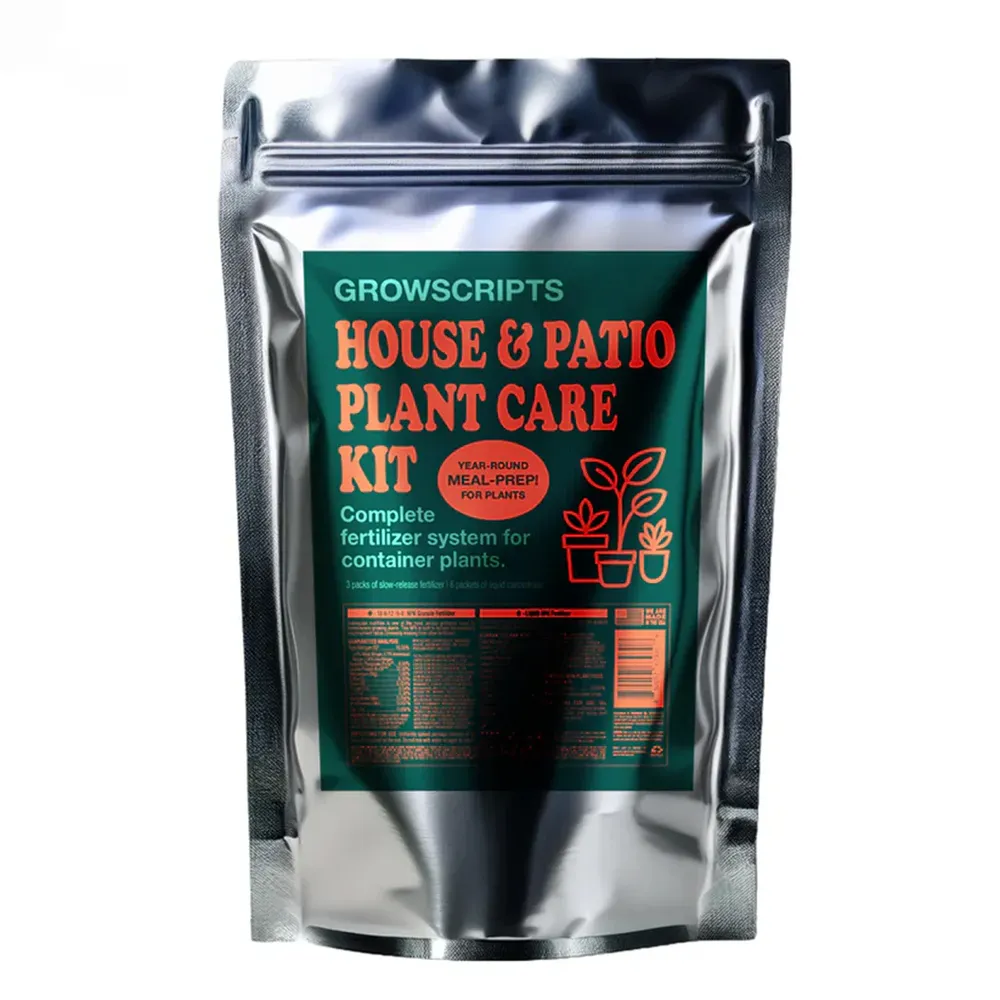
House and Patio Plant Care Kit - Comprehensive Indoor and Outdoor Fertilizer Set
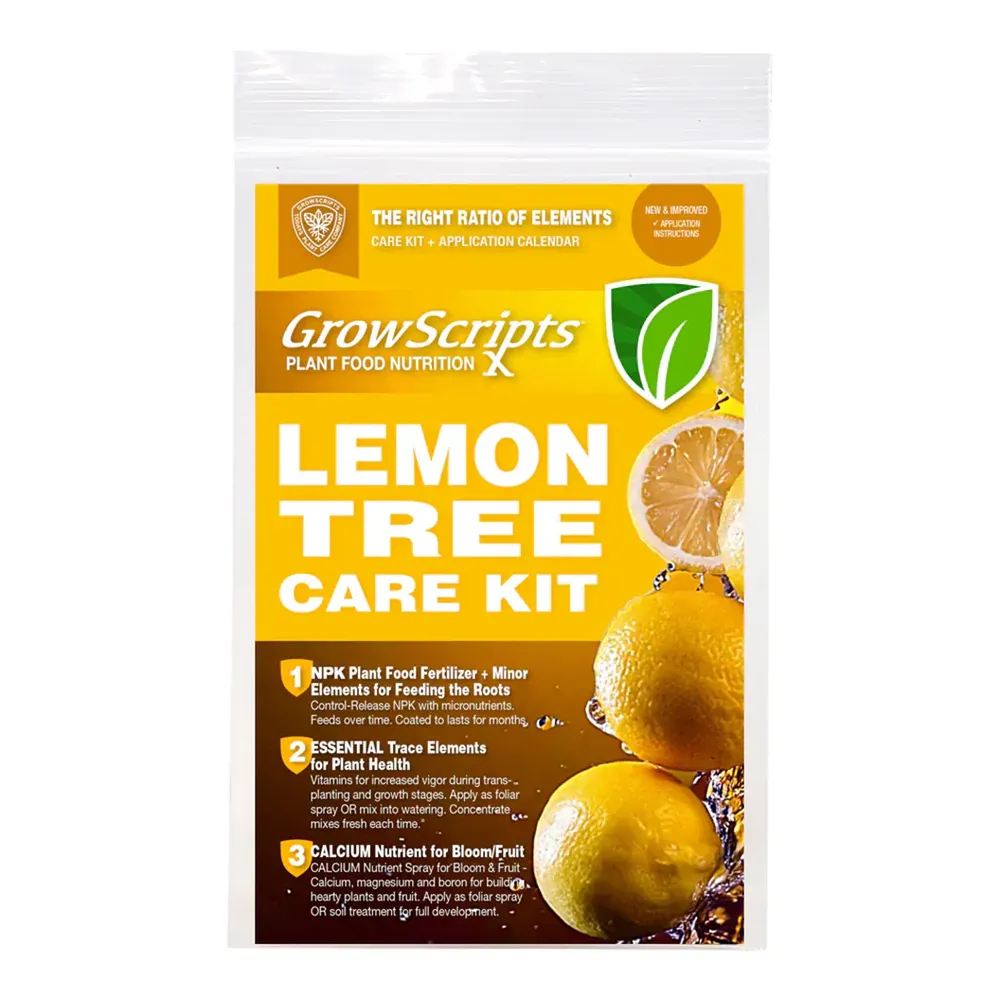
Citrus Tree Care and Maintenance Kit for Lemon and Fruit Trees