Shumard Oak Tree (Quercus shumardii) Native Deciduous Shade Tree
$92.95
$391.80
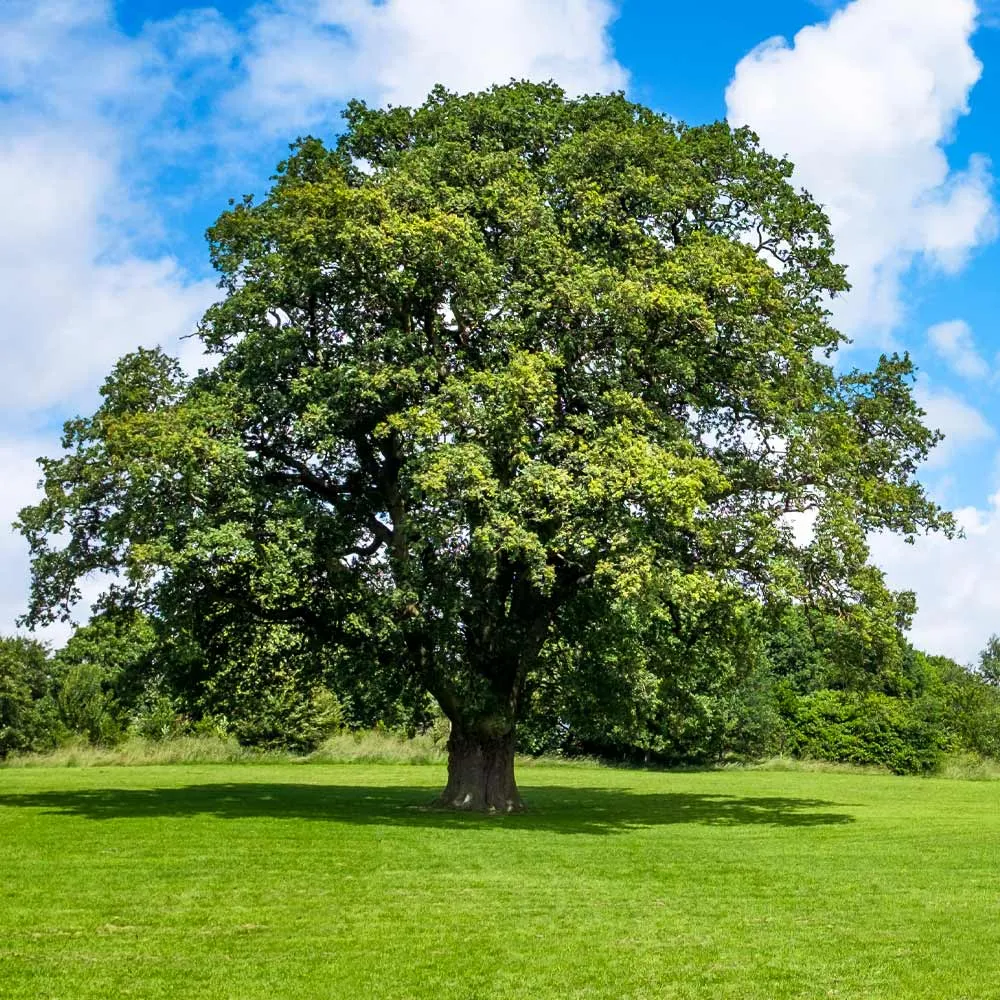
- Native deciduous tree species (Quercus shumardii) known for broad, symmetrical canopy structure.
- Adaptable to diverse soil conditions, including clay and slightly alkaline environments.
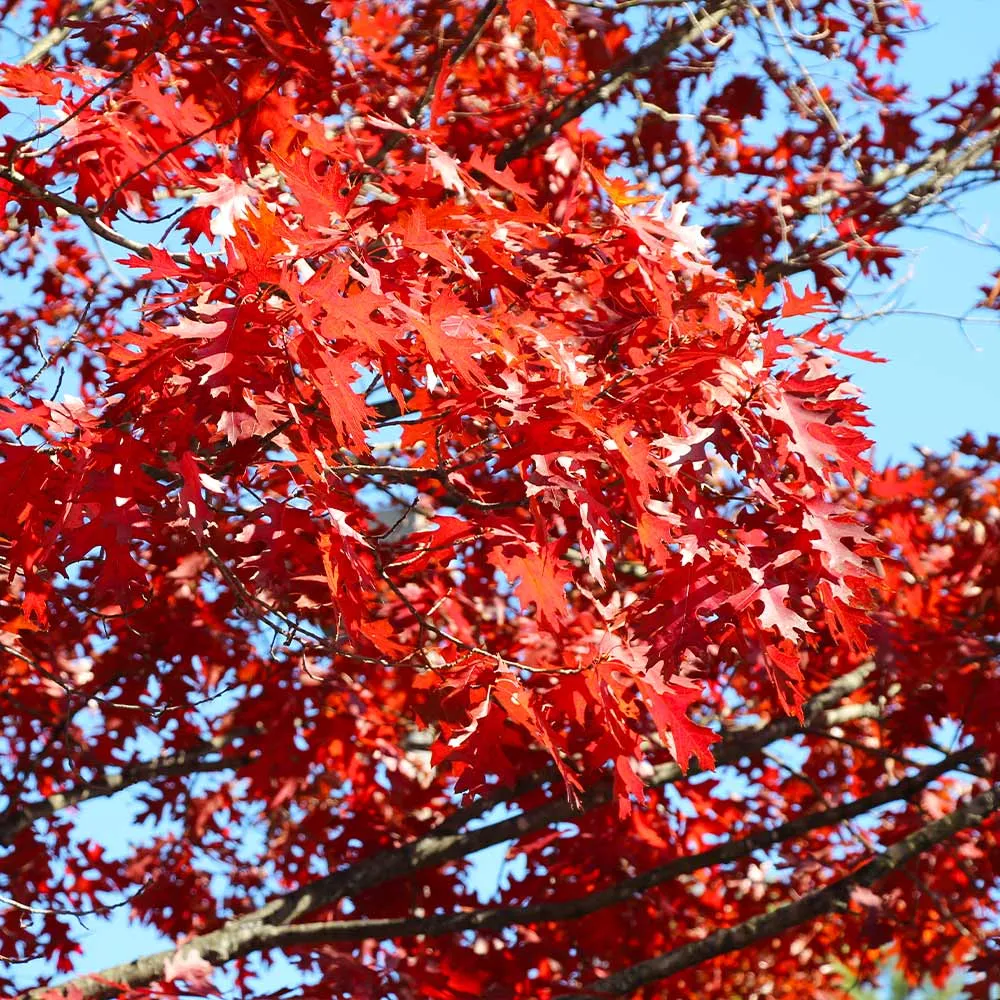
- Provides significant seasonal shade with distinct lobed, dark green foliage.
- Exhibits moderate to fast growth rates under optimal environmental conditions.
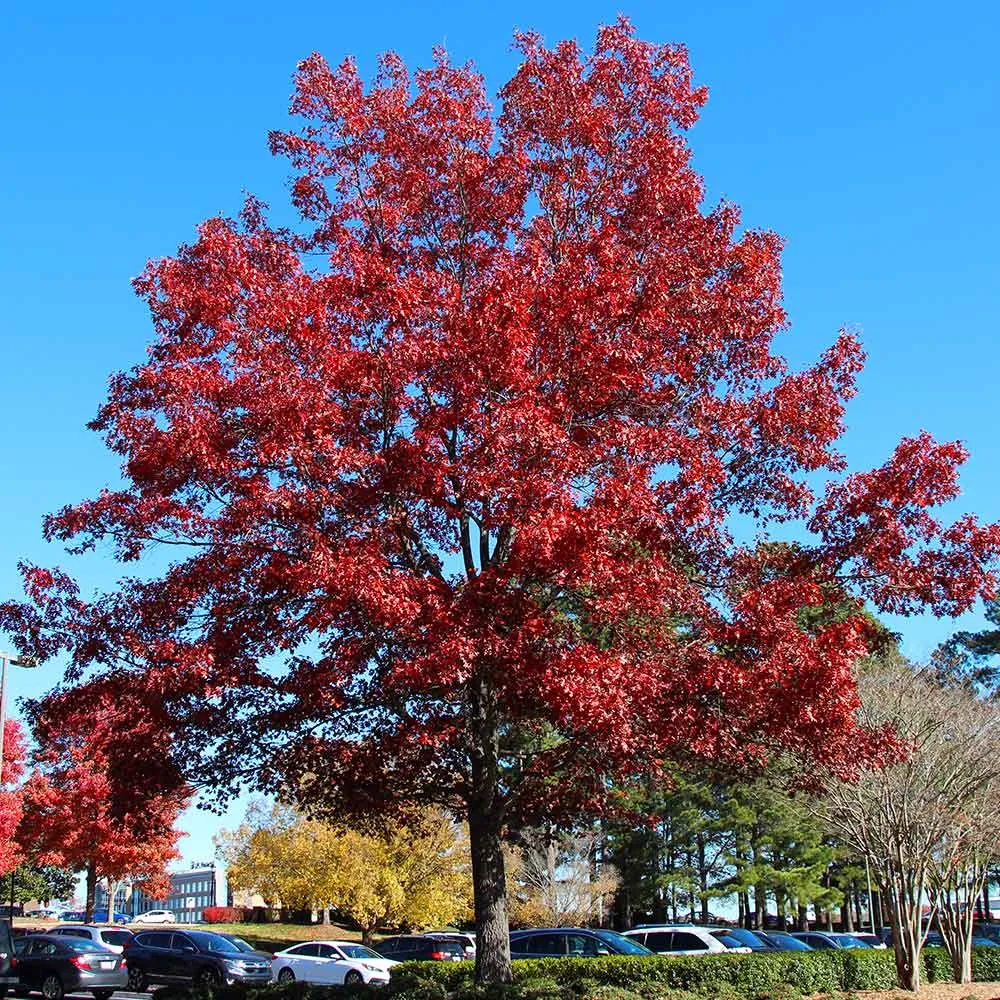
- Displays reliable red-to-bronze fall foliage coloration.
Size: 3-4 feet
Quantity: Single
Shumard Oak Tree: A Resilient Landscape Addition
The Shumard Oak (Quercus shumardii) is a prominent deciduous tree valued for its structural integrity and ability to provide expansive shade. As a native species, it is well-adapted to various regional climates, offering a reliable growth pattern for residential and commercial landscapes. Its broad, open crown makes it a functional choice for parks, large lawns, and open spaces where canopy development is desired.
Adaptability and Growth Characteristics
This species is recognized for its tolerance to a range of soil types, including moist, well-drained soils and heavier clay compositions. Once established, the Shumard Oak demonstrates resilience to periods of limited rainfall. To mitigate transplant shock and support root development, it is recommended to provide consistent moisture during the first growing season, particularly during high-temperature periods.
Seasonal Aesthetic and Environmental Impact
The Shumard Oak provides distinct seasonal changes. During the spring and summer, the tree features deep green, deeply lobed leaves. As temperatures decrease in the autumn, the foliage transitions to shades of red and bronze, contributing to seasonal landscape variety. The tree's mature height and spread offer substantial cooling benefits, assisting in temperature regulation for the surrounding environment.
Planting and Maintenance Considerations
- Site Selection: Requires full sun exposure for optimal canopy development and foliage density.
- Watering Requirements: Deep, infrequent watering cycles are recommended to encourage deep root system penetration.
- Growth Management: Minimal pruning is required, primarily focused on removing dead or crossing branches to maintain a central leader.
- Soil Compatibility: Performs effectively in acidic to neutral soil pH levels, with moderate tolerance to alkaline conditions.
You May Also Like
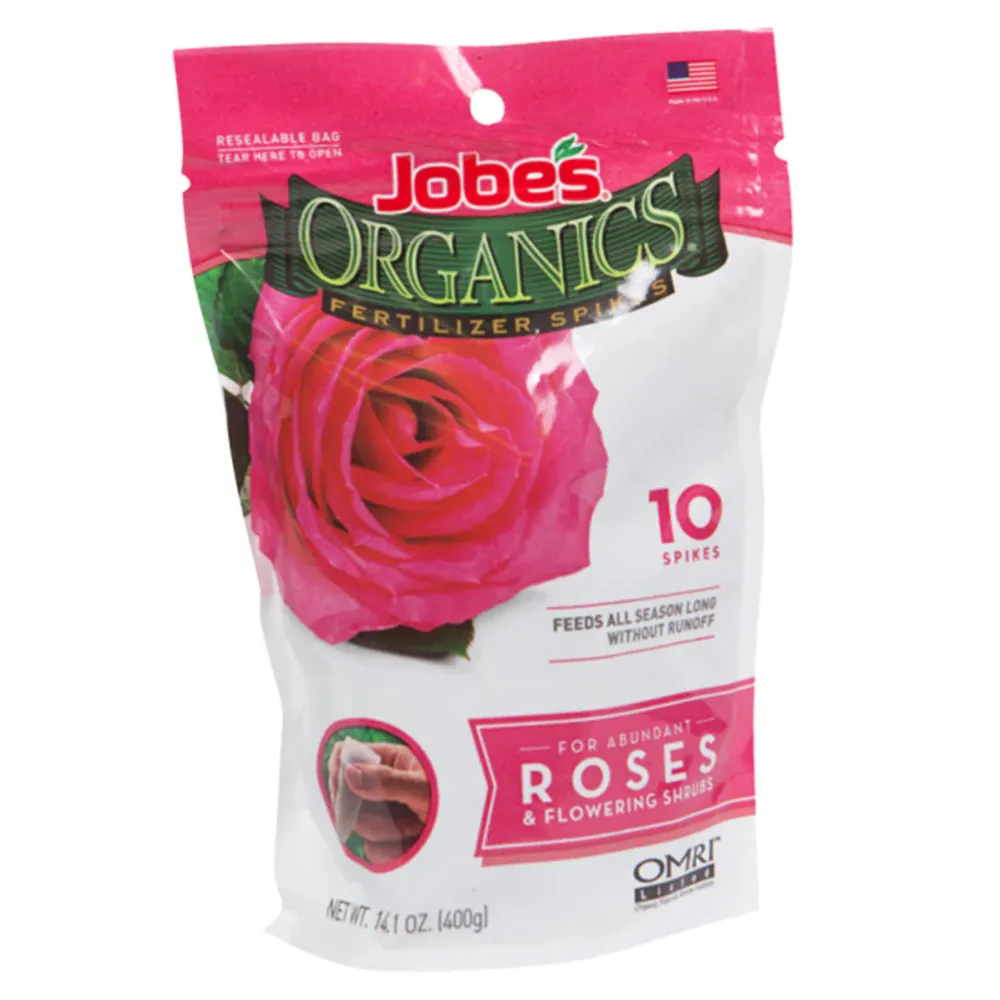
Jobe's Rose Fertilizer Spikes - Slow-Release Nutrient Delivery System
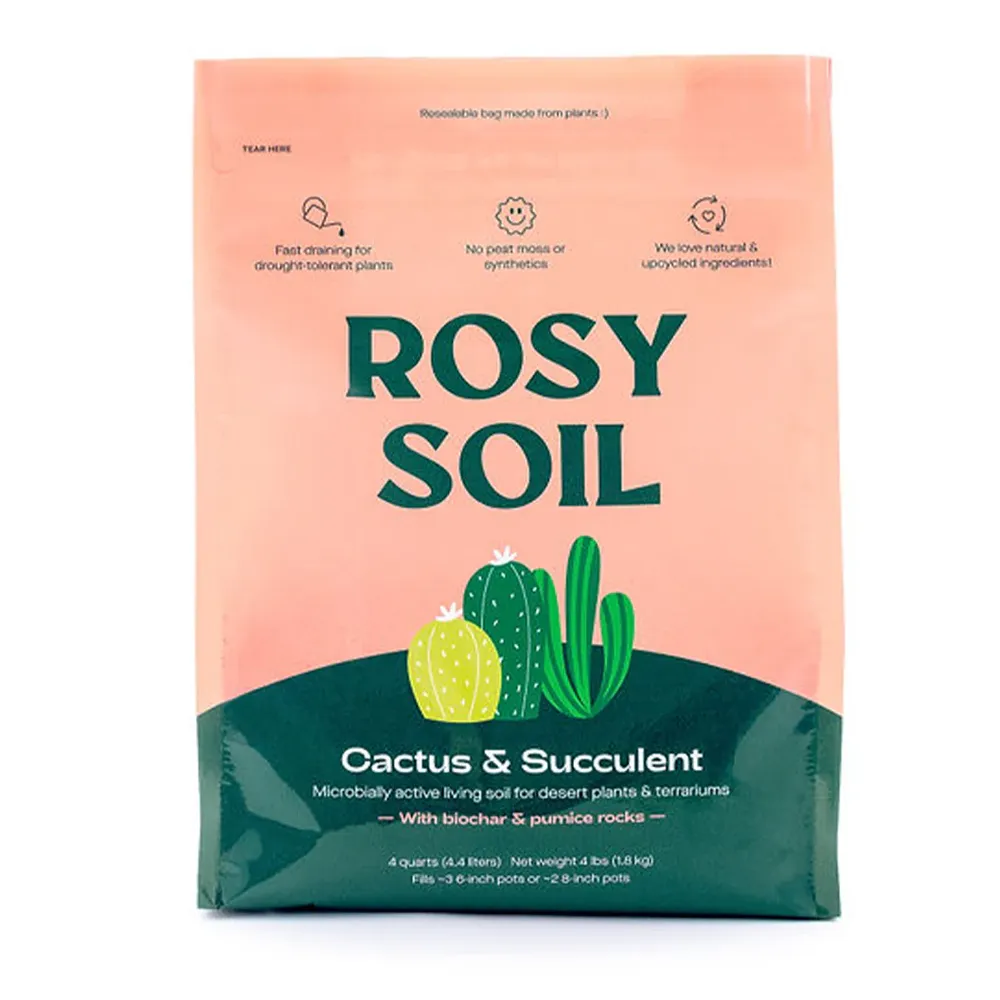
Cactus and Succulent Potting Mix - Fast-Draining Soil Blend for Indoor Plants
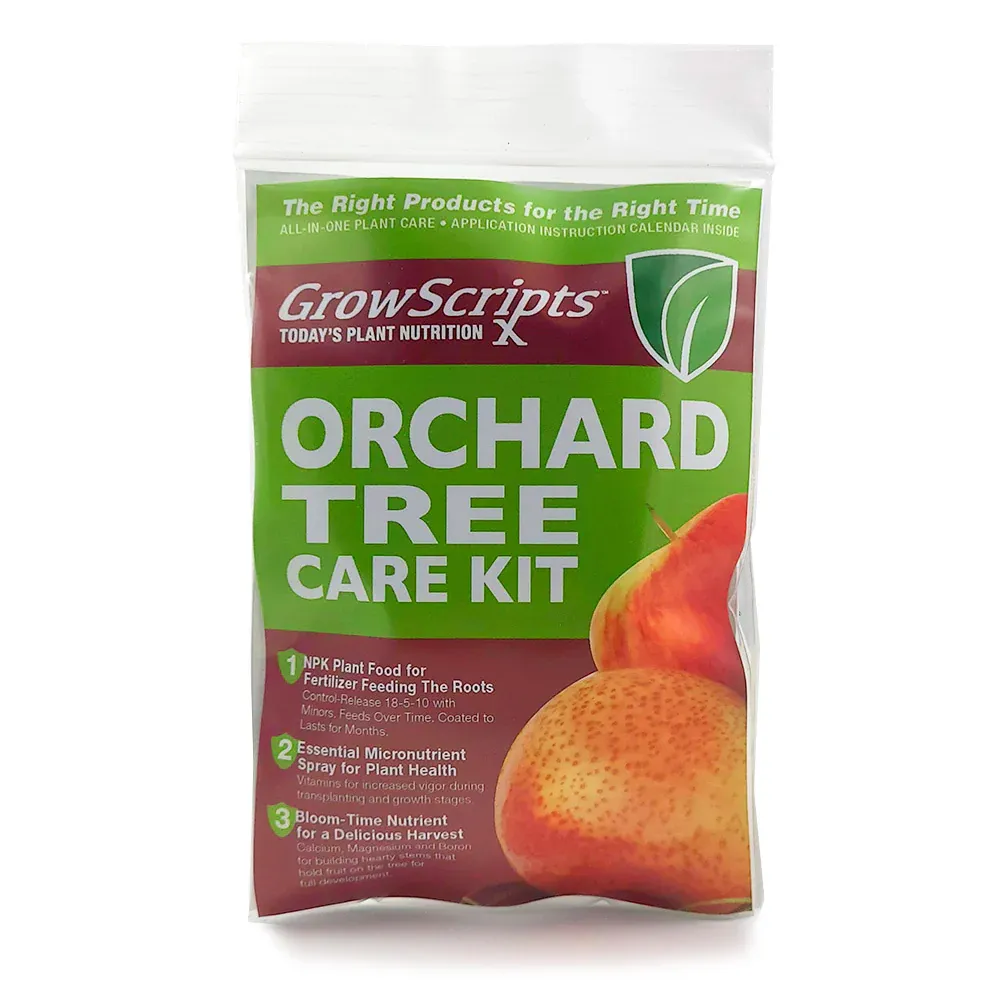
Orchard Tree Care Kit for Fruit Tree Growth and Maintenance

Hydration Boost + Electrolyte Supplement Powder for Daily Hydration Support
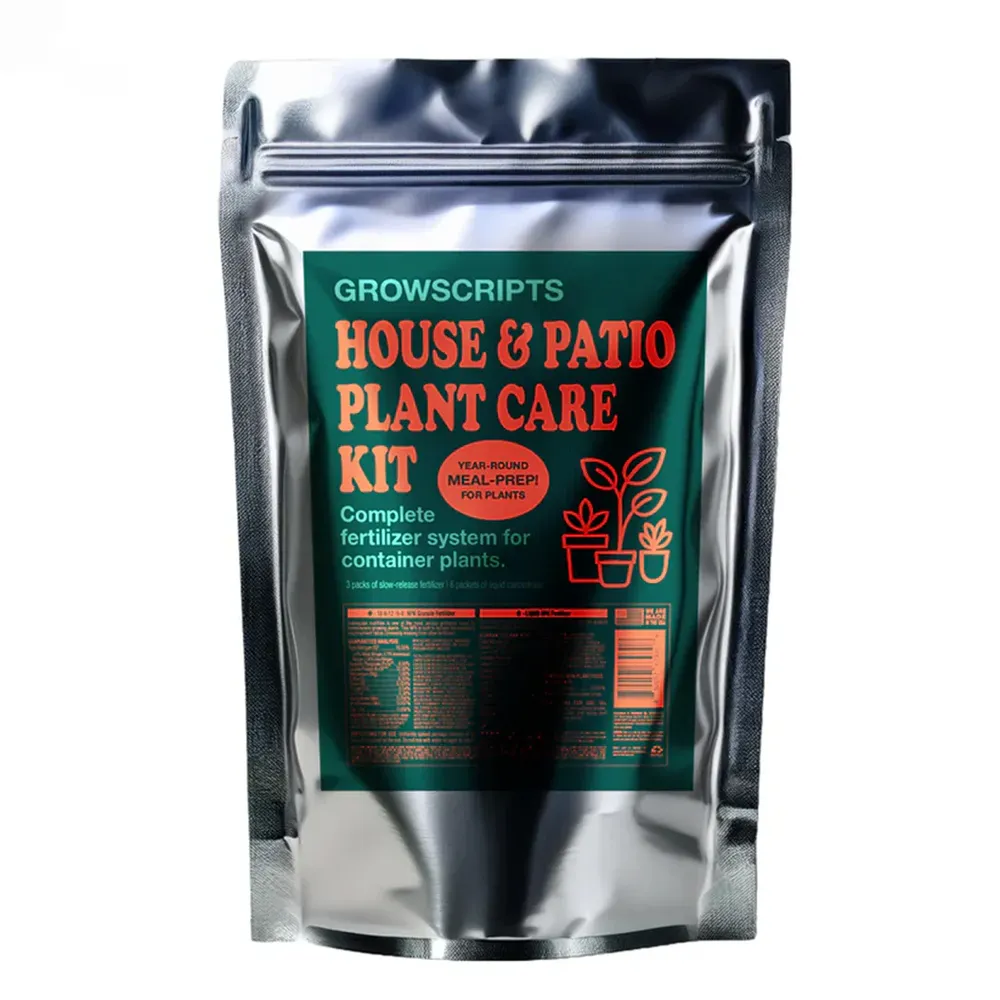
House and Patio Plant Care Kit - Comprehensive Indoor and Outdoor Fertilizer Set
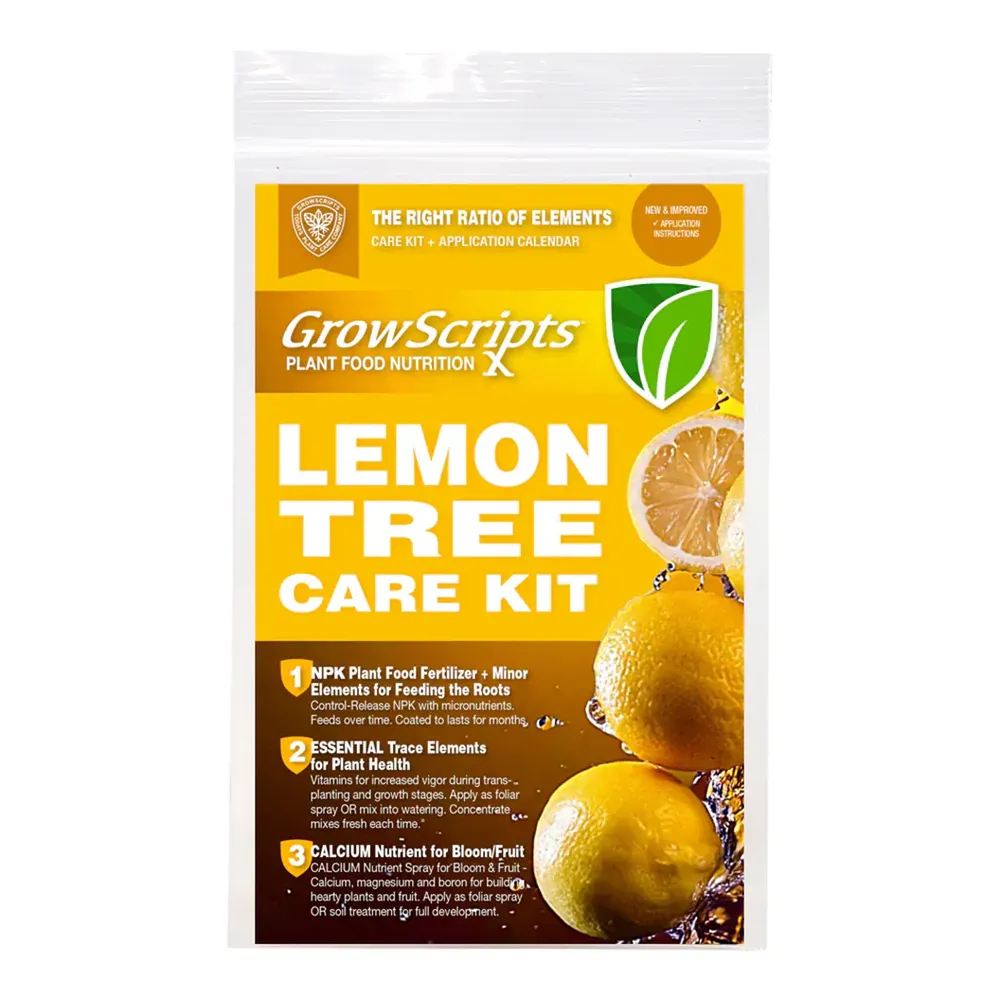
Citrus Tree Care and Maintenance Kit for Lemon and Fruit Trees