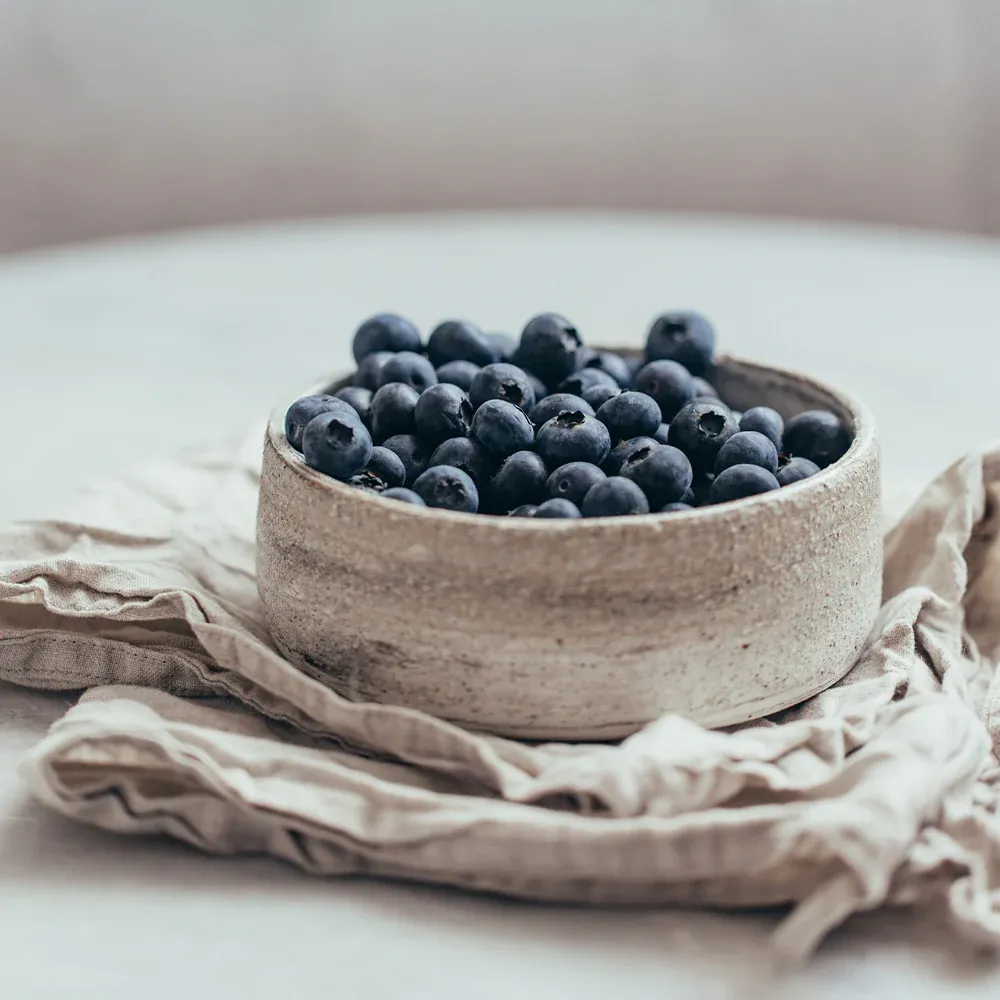
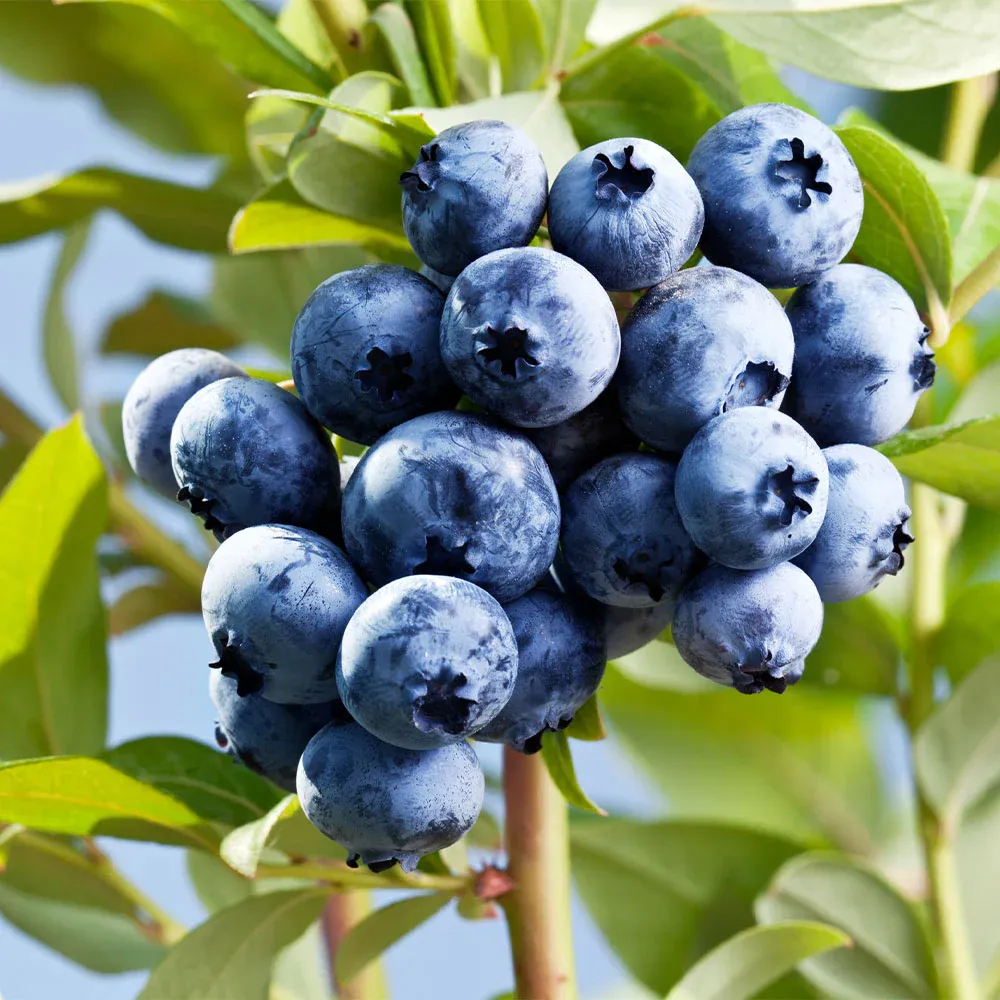
Sharpblue Blueberry Bush - Southern Highbush Fruit-Bearing Shrub
$9.00
$20.00
- Southern Highbush variety adapted for warm climate cultivation.
- Produces medium-sized, flavorful blueberries suitable for fresh consumption.
- Evergreen to semi-evergreen foliage provides year-round garden structure.
- Requires acidic, well-draining soil for optimal root development.
- Self-fertile variety, though cross-pollination may increase total fruit yield.
Sharpblue Blueberry Bush: A Productive Addition to Your Garden
The Sharpblue Blueberry Bush is a recognized Southern Highbush variety, specifically selected for its ability to thrive in regions with lower chill hour requirements. This shrub is characterized by its vigorous growth habit and its capacity to produce fruit in varied environmental conditions, making it a functional choice for home gardeners interested in edible landscaping.
Cultivation and Growth Characteristics
This blueberry variety is noted for its semi-evergreen nature, maintaining foliage throughout most of the year in appropriate hardiness zones. The plant develops a dense structure, which can serve as both a productive fruit source and an ornamental hedge. To ensure plant health, it is essential to maintain soil pH levels between 4.5 and 5.5, as this range is necessary for proper nutrient uptake.
Pollination and Harvest
While the Sharpblue is classified as self-fertile, integrating other Southern Highbush varieties in the same planting area can assist in cross-pollination, potentially resulting in larger harvest volumes. The berries typically reach maturity in the mid-season, offering a consistent supply of fruit for fresh use. Proper irrigation and consistent moisture management are required to support the plant during the fruit-setting phase.
Planting and Maintenance Guidelines
- Soil Requirements: Prefers acidic, organic-rich, and well-draining soil.
- Sunlight Exposure: Requires full sun exposure for at least 6 to 8 hours daily to support berry production.
- Watering: Needs consistent moisture; avoid waterlogged conditions to prevent root issues.
- Pruning: Annual pruning during the dormant season helps maintain plant shape and encourages new growth for the following season.
You May Also Like
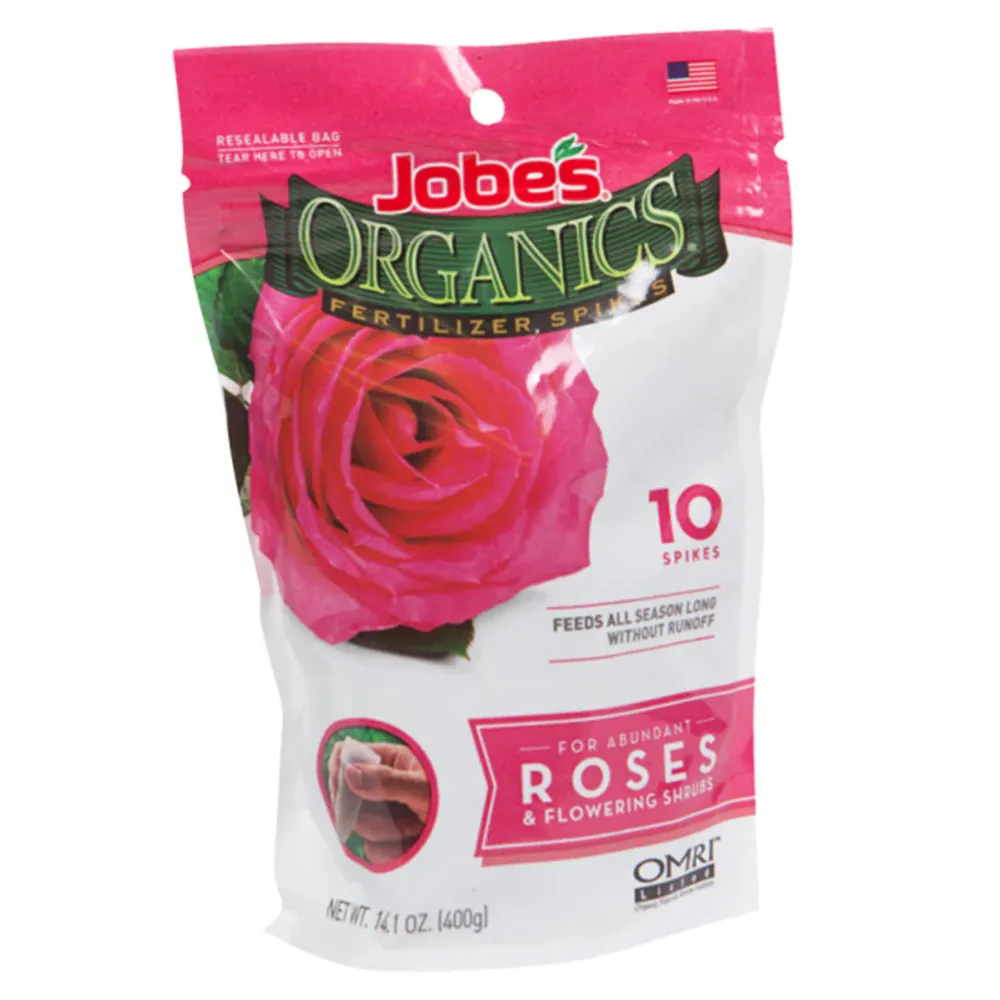
Jobe's Rose Fertilizer Spikes - Slow-Release Nutrient Delivery System
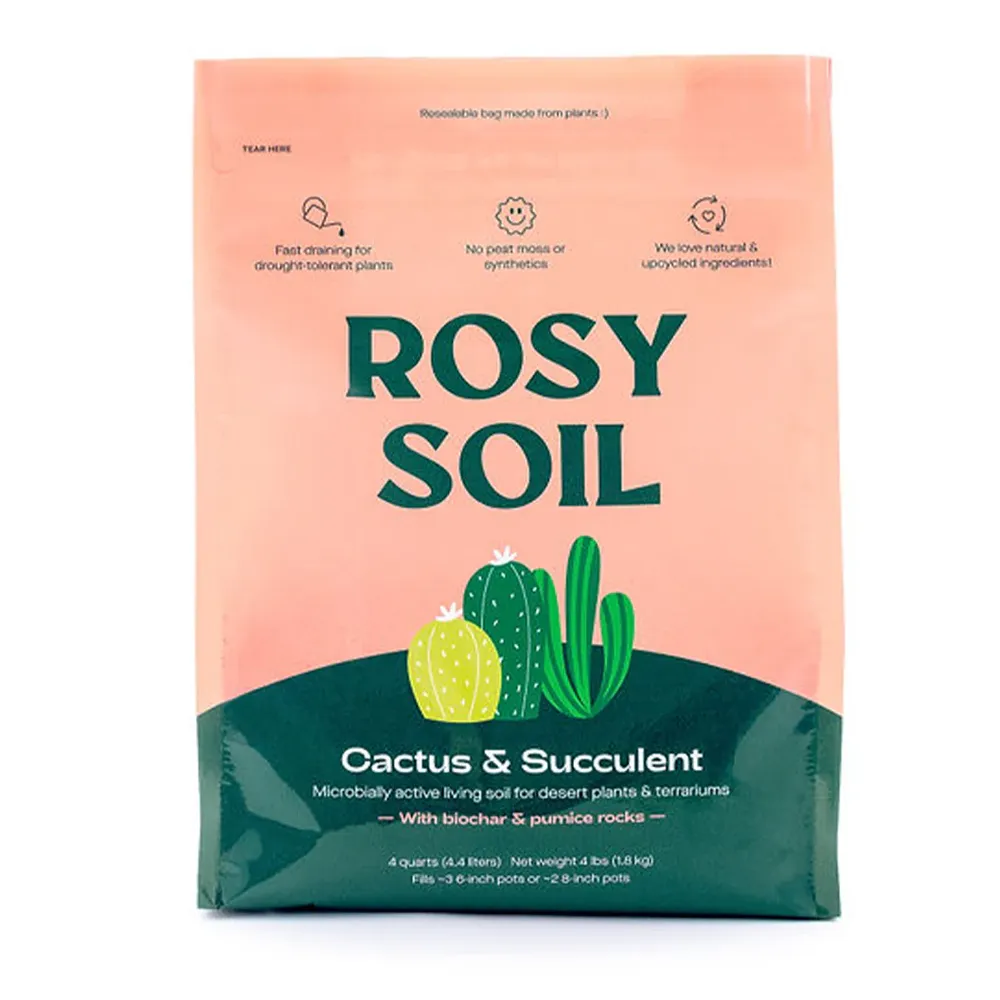
Cactus and Succulent Potting Mix - Fast-Draining Soil Blend for Indoor Plants
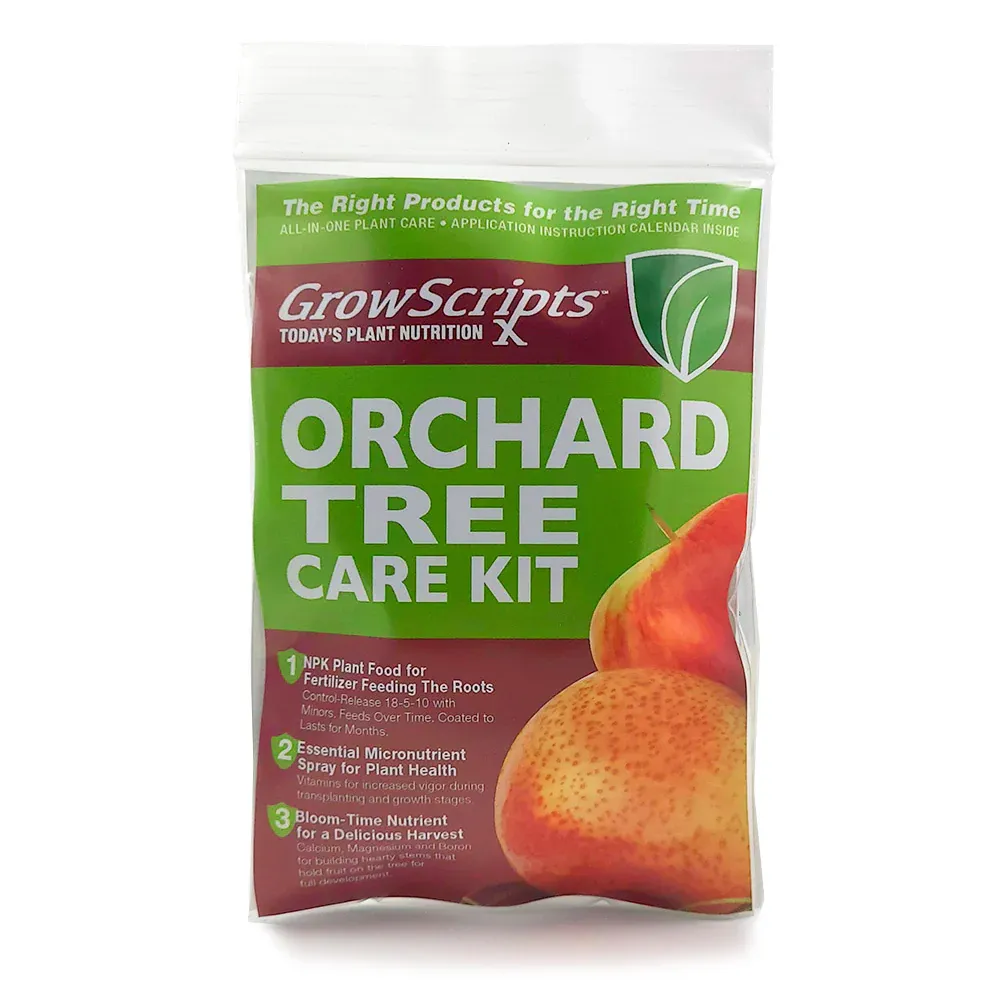
Orchard Tree Care Kit for Fruit Tree Growth and Maintenance
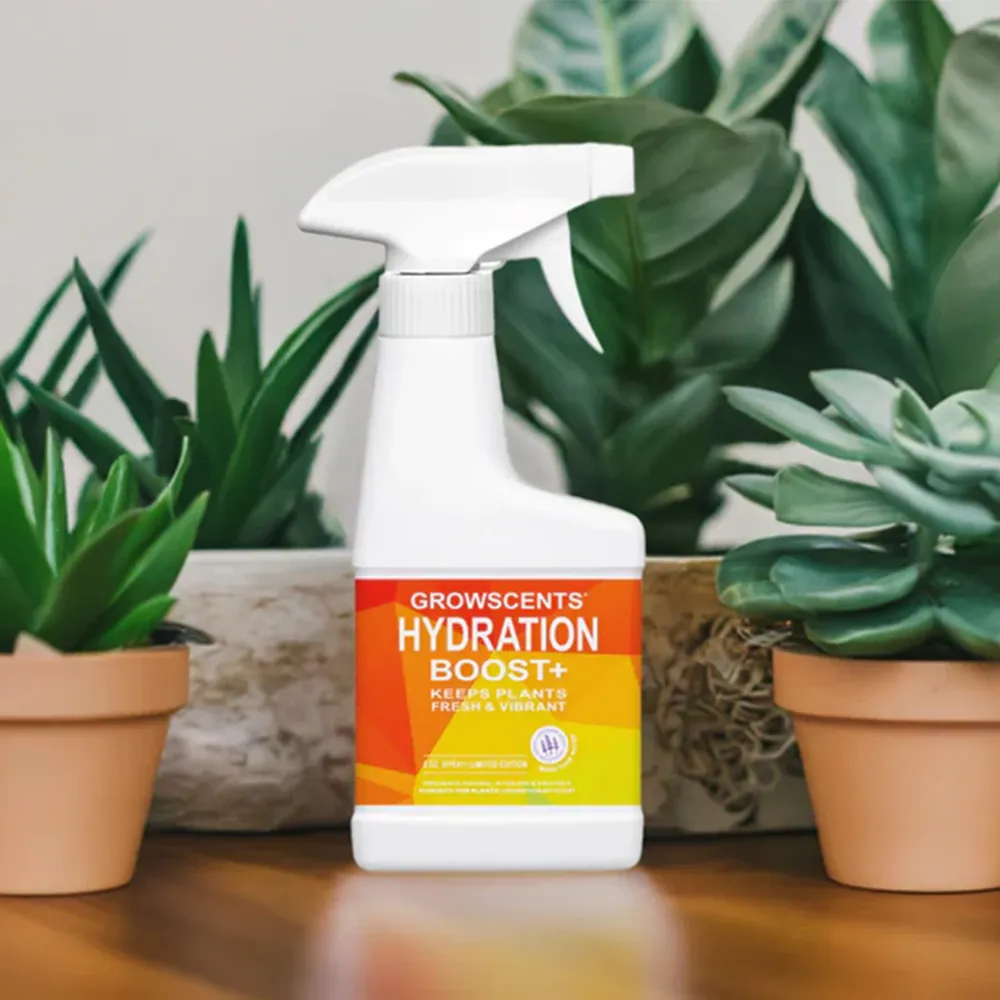
Hydration Boost + Electrolyte Supplement Powder for Daily Hydration Support
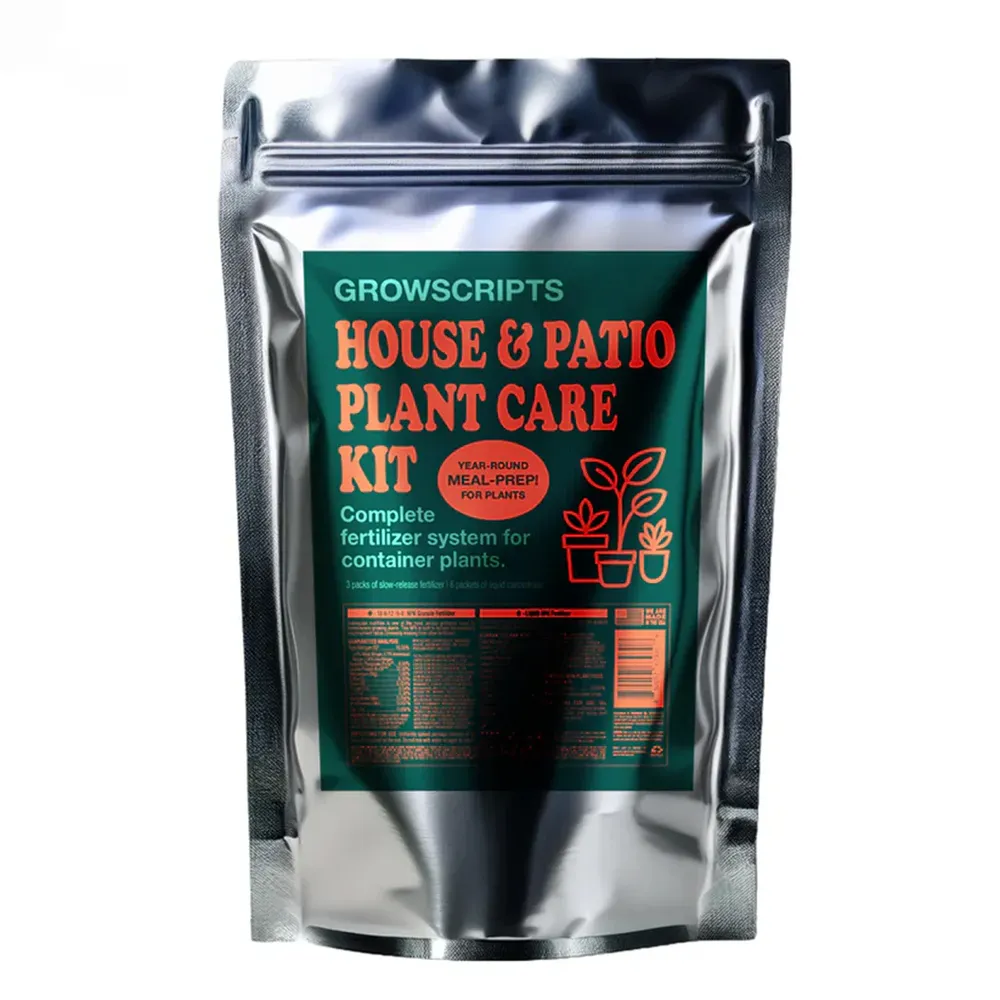
House and Patio Plant Care Kit - Comprehensive Indoor and Outdoor Fertilizer Set
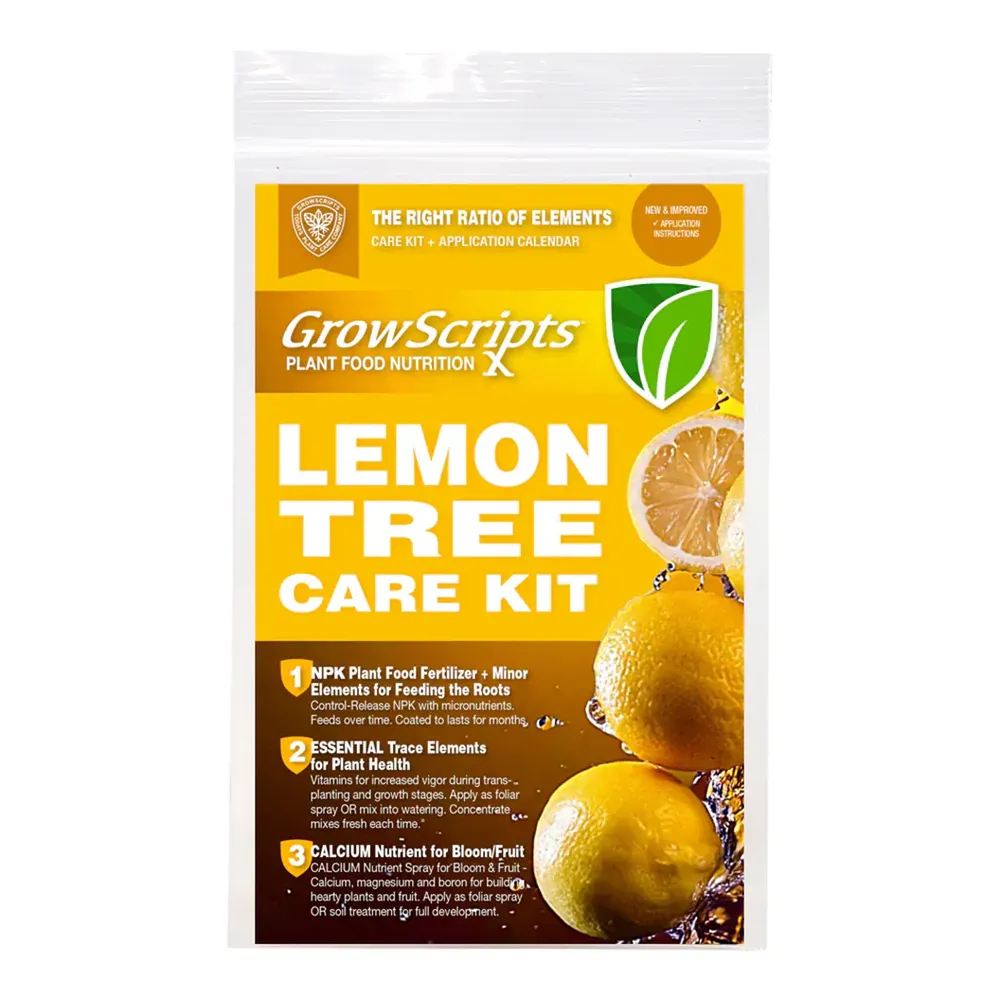
Citrus Tree Care and Maintenance Kit for Lemon and Fruit Trees