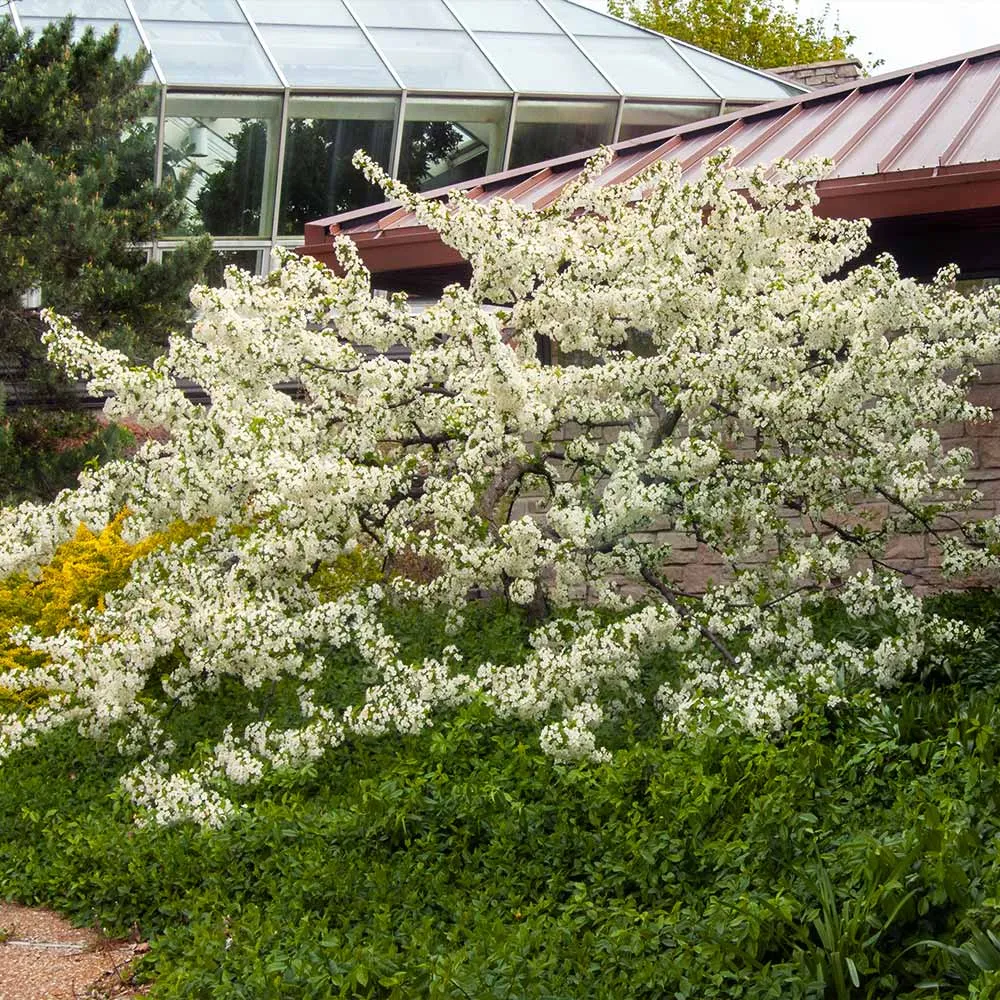
Sargent Crabapple Tree (Malus sargentii) - Ornamental Deciduous Flowering Tree
$9.00
$20.00
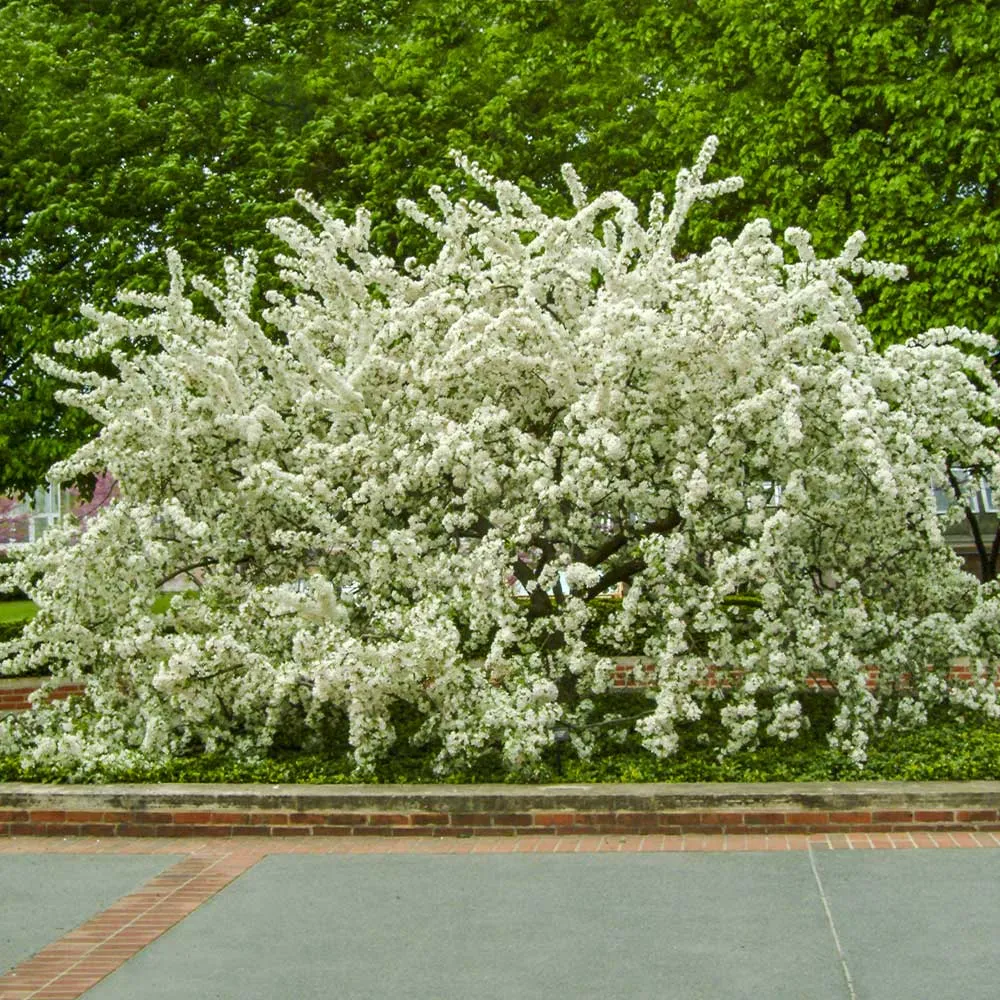
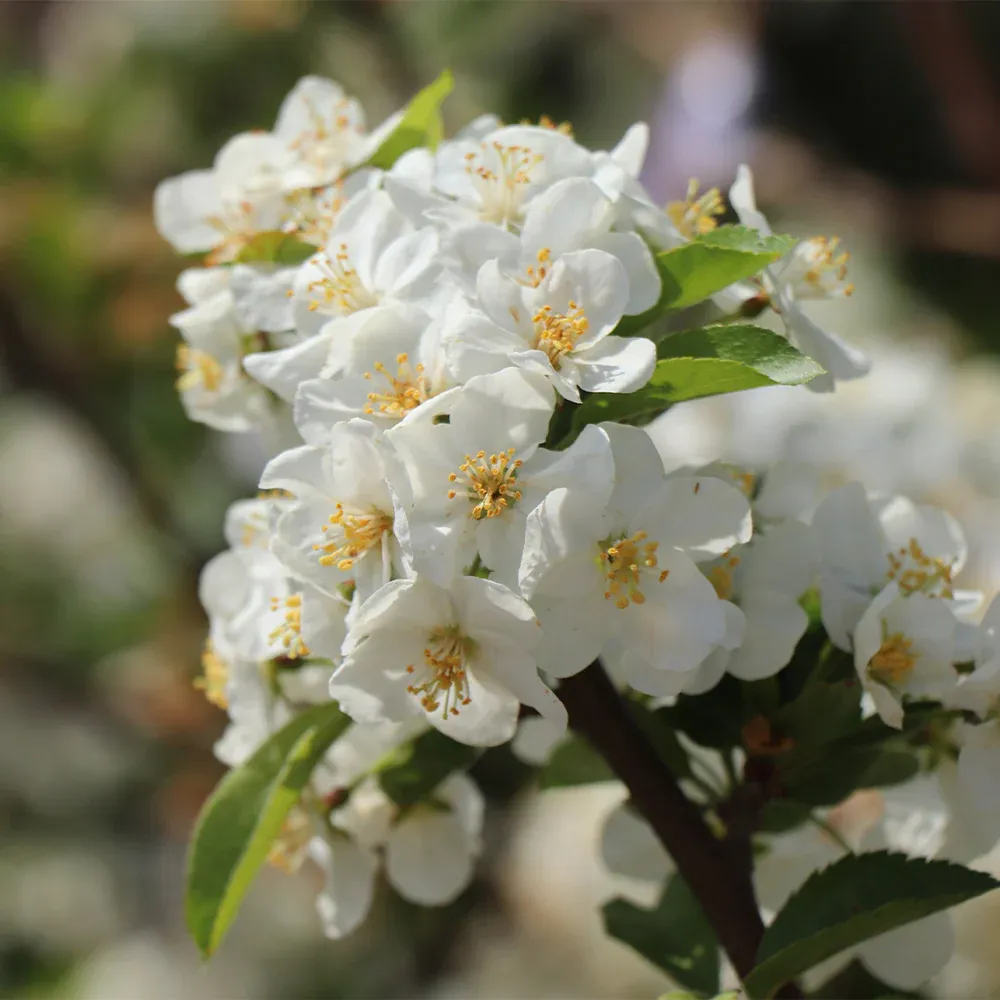
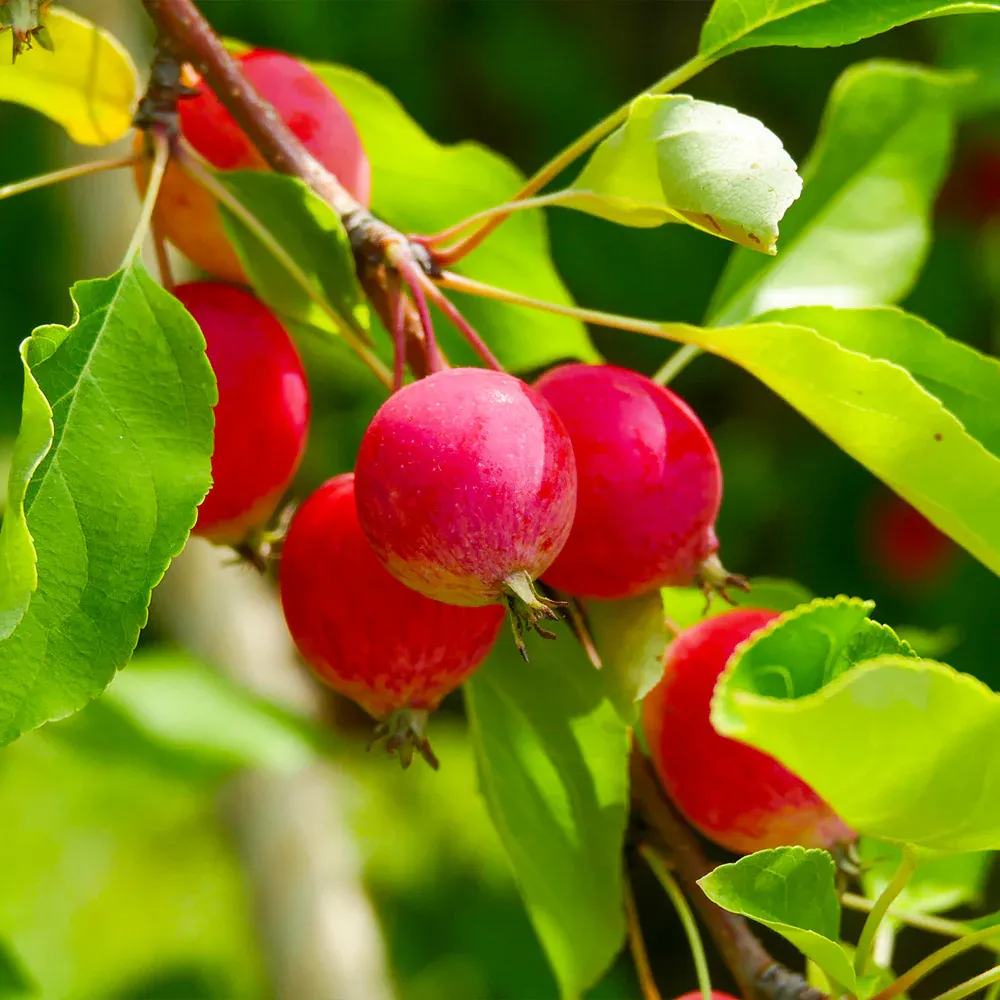
- Features fragrant, pure white spring blossoms followed by small, persistent red fruit.
- Compact, spreading growth habit suitable for smaller garden spaces and urban landscapes.
- Provides seasonal interest with deep green foliage transitioning to yellow in autumn.
- Supports local biodiversity by providing food sources for birds and pollinators.
- Hardy deciduous variety adapted to various soil conditions and temperate climates.
Sargent Crabapple Tree: A Versatile Ornamental Choice
The Sargent Crabapple (Malus sargentii) is a highly regarded deciduous tree known for its distinct horizontal branching and dense, spreading habit. This ornamental specimen serves as a focal point in residential landscapes, offering multi-seasonal visual interest through its flowering cycle, foliage changes, and fruit production.
Botanical Characteristics and Growth
This variety is characterized by its relatively compact stature, making it a practical selection for areas with limited vertical space. The tree produces an abundance of fragrant, white flowers in mid-to-late spring, which emerge from pink buds. Following the bloom, the tree develops small, bright red crabapples that remain on the branches into the winter months, providing a consistent food source for local bird populations.
Landscape Integration and Maintenance
To ensure optimal development, the Sargent Crabapple thrives in locations with full sun exposure and well-drained soil. It demonstrates moderate tolerance to various soil types. Proper spacing is recommended to allow for its natural horizontal spread. Regular monitoring for common fungal issues is advised, particularly in regions with high humidity. Pruning should be conducted during the dormant season to remove dead or crossing branches, which helps maintain the tree's structural integrity and promotes healthy air circulation.
Seasonal Performance
- Spring: Displays dense clusters of white blossoms with a distinct fragrance.
- Summer: Features dark green, ovate leaves that provide dense shade.
- Autumn: Foliage transitions to shades of yellow before leaf drop.
- Winter: Persistent red fruit provides contrast against bare branches and attracts wildlife.
You May Also Like
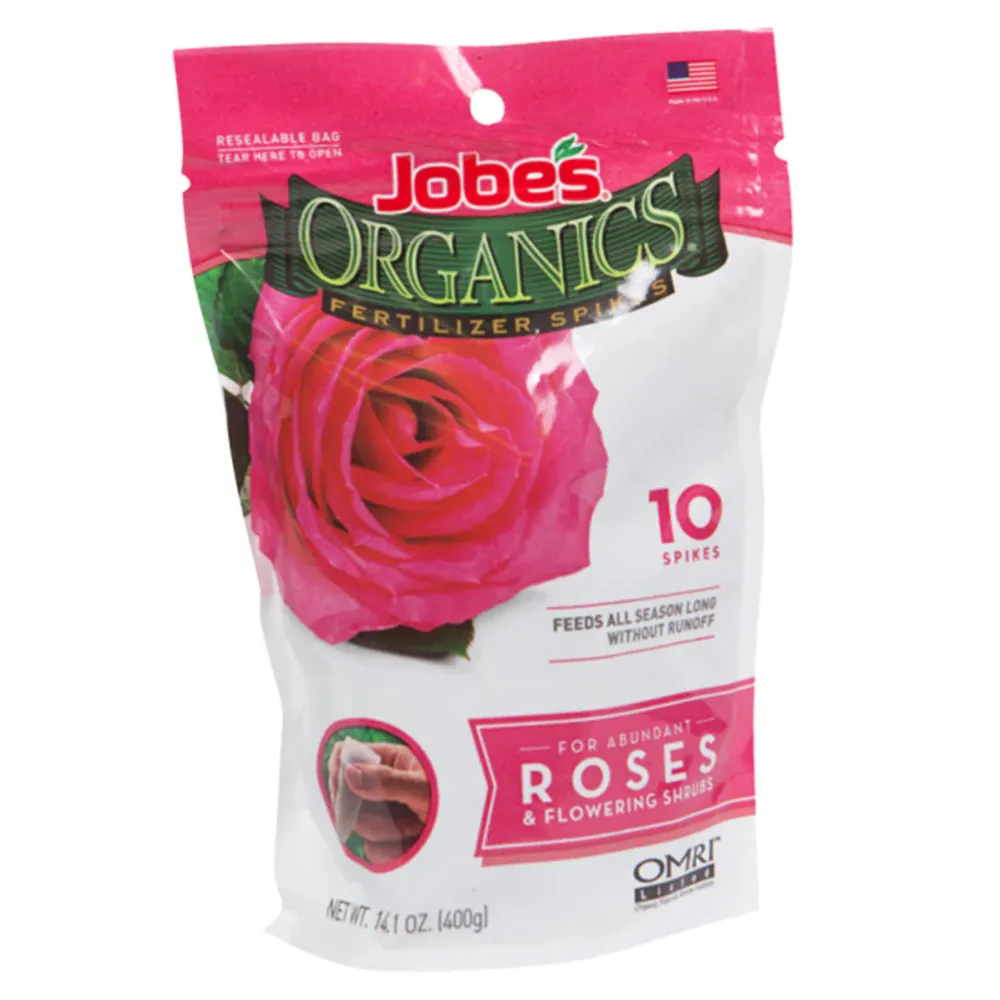
Jobe's Rose Fertilizer Spikes - Slow-Release Nutrient Delivery System
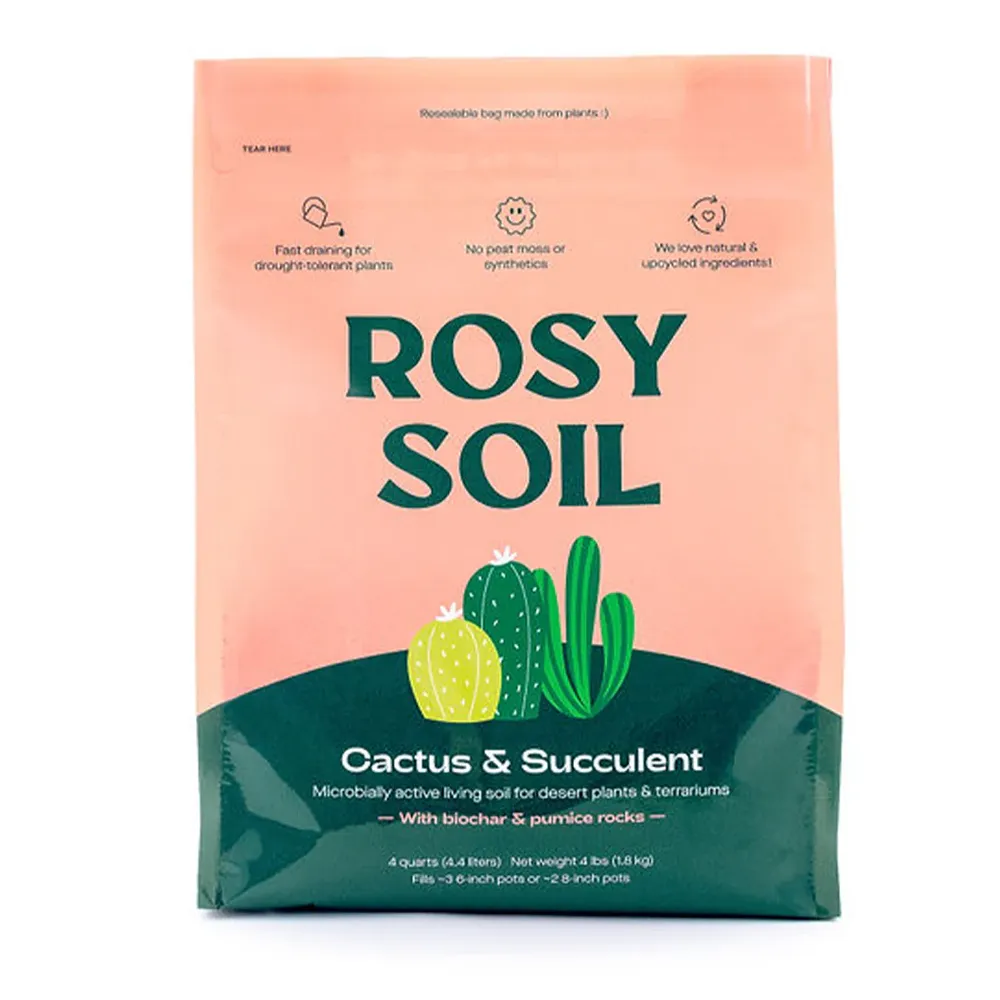
Cactus and Succulent Potting Mix - Fast-Draining Soil Blend for Indoor Plants
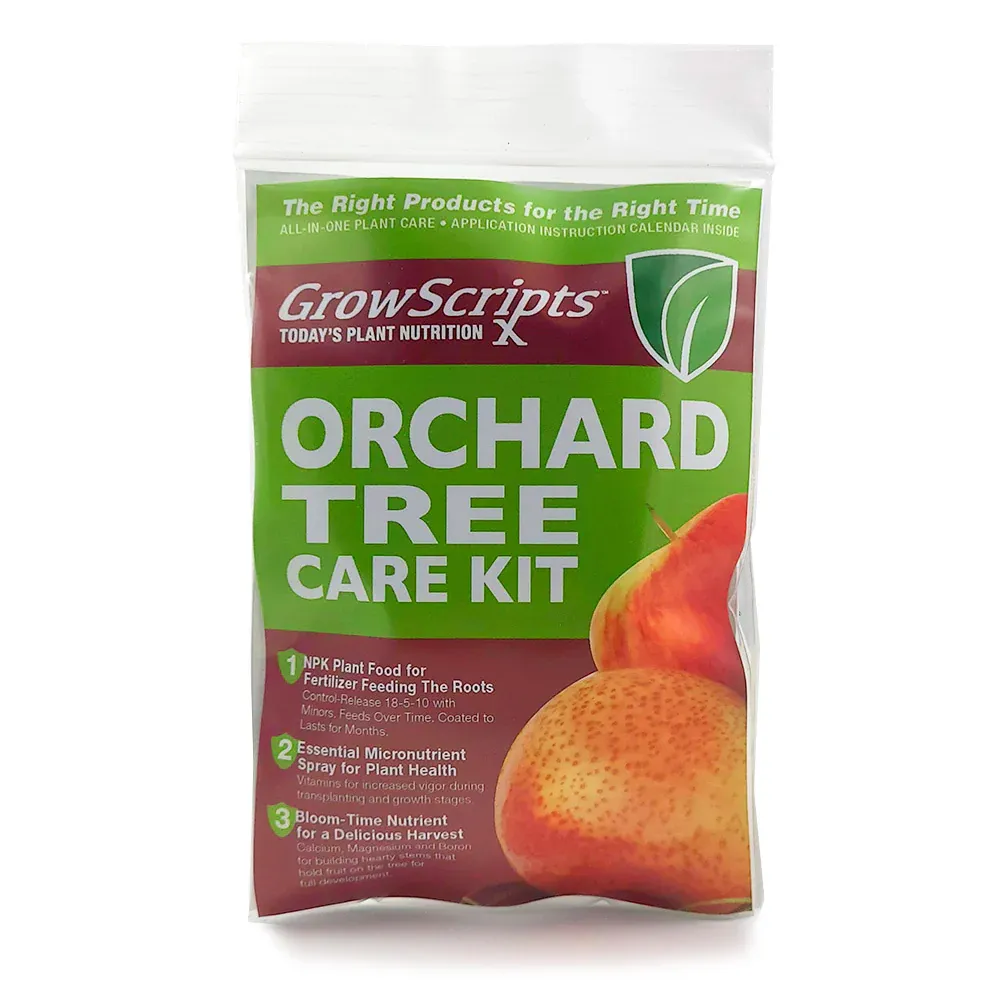
Orchard Tree Care Kit for Fruit Tree Growth and Maintenance

Hydration Boost + Electrolyte Supplement Powder for Daily Hydration Support
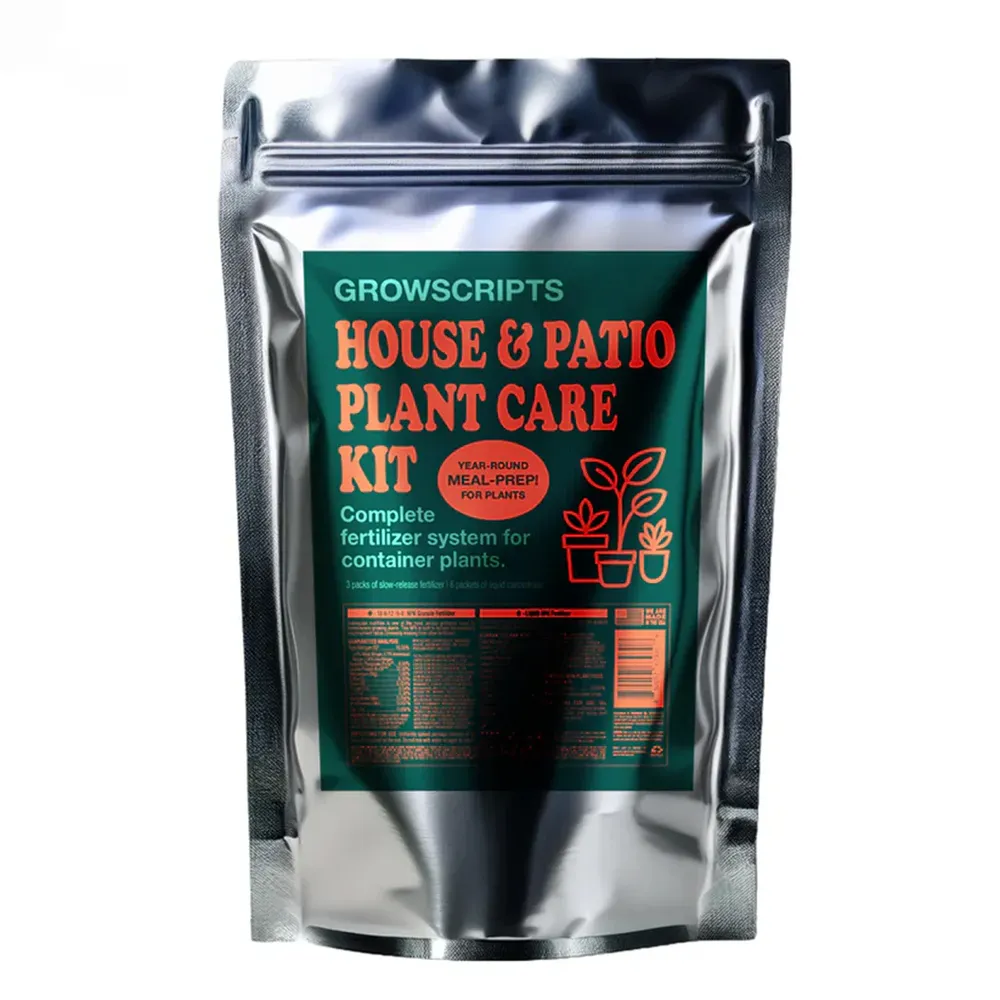
House and Patio Plant Care Kit - Comprehensive Indoor and Outdoor Fertilizer Set
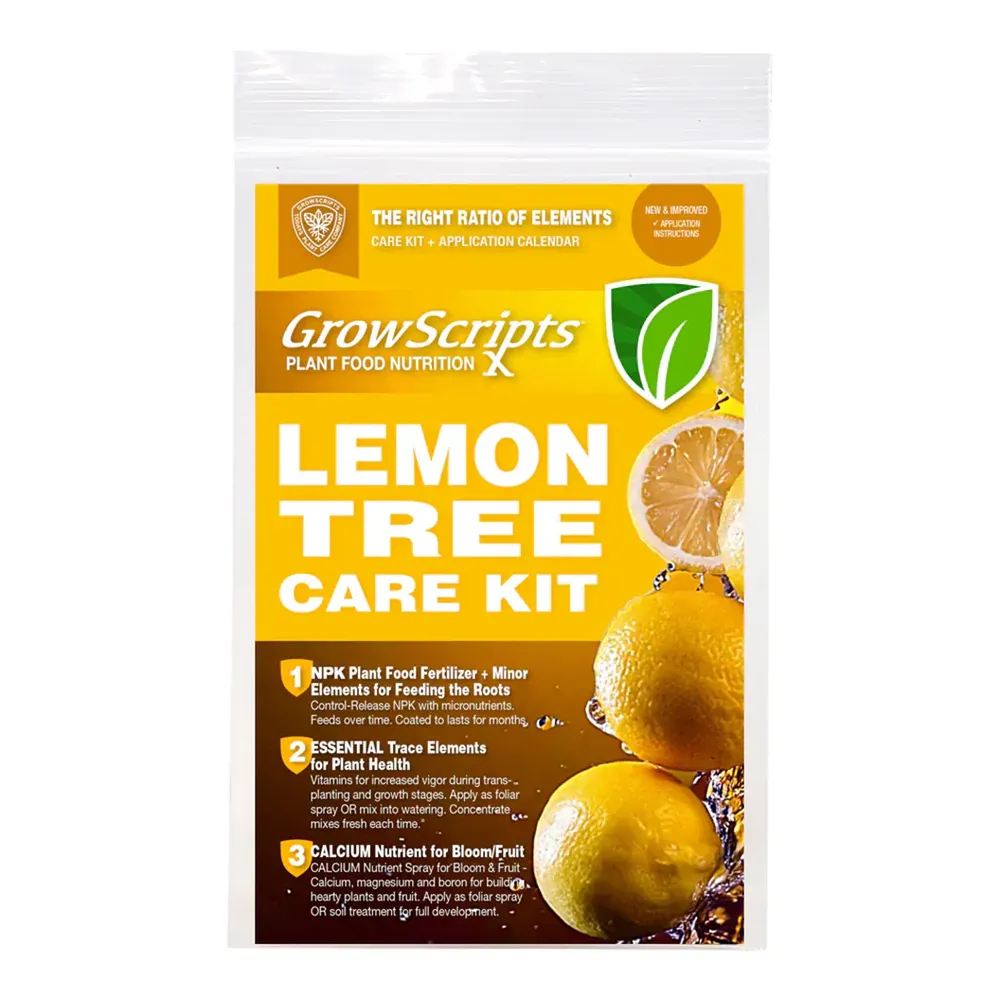
Citrus Tree Care and Maintenance Kit for Lemon and Fruit Trees