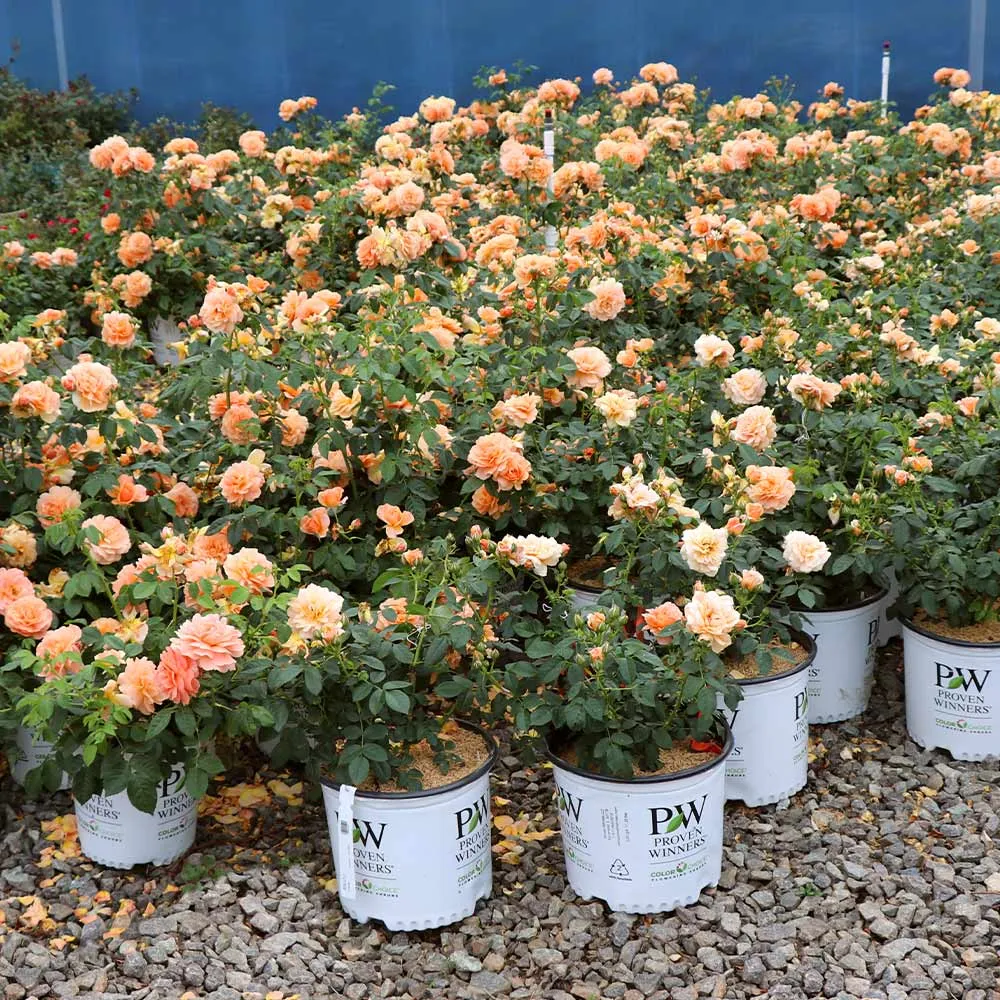

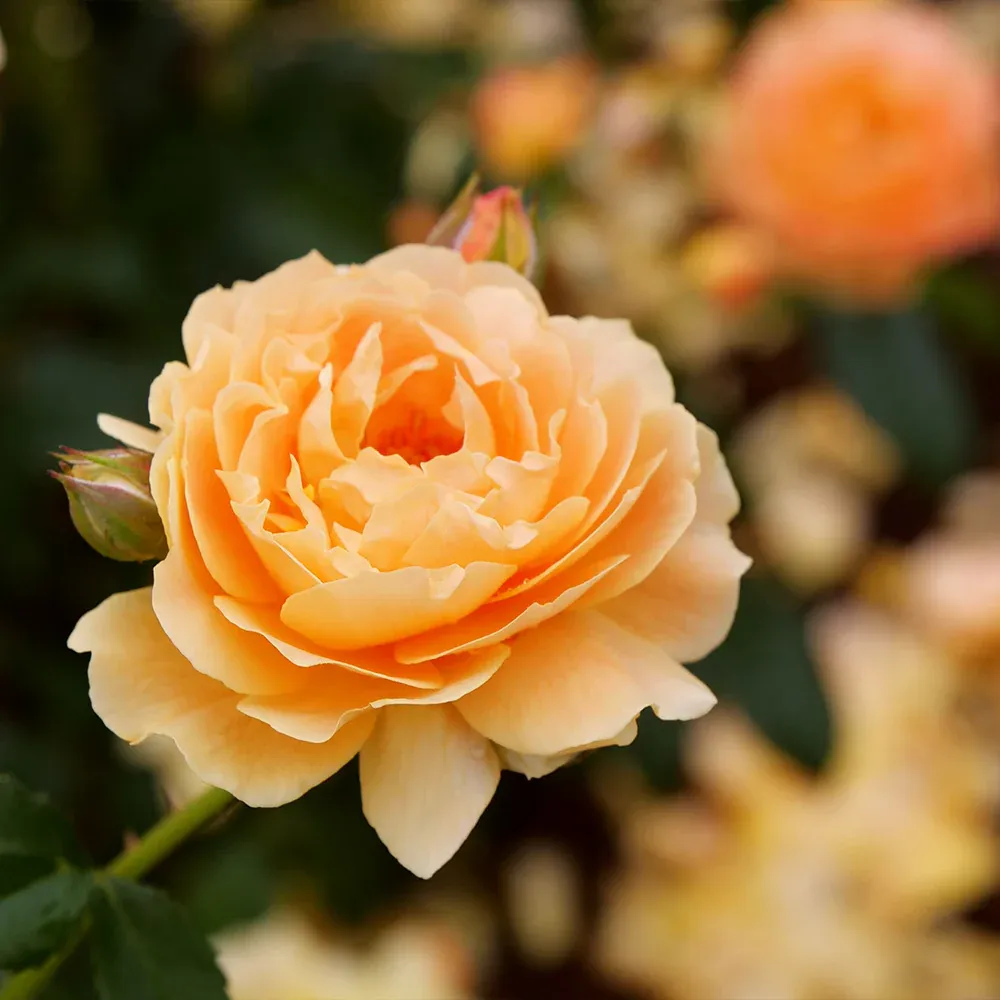
Proven Winners® At Last® Fragrant Repeat-Blooming Rose Shrub
$23.95
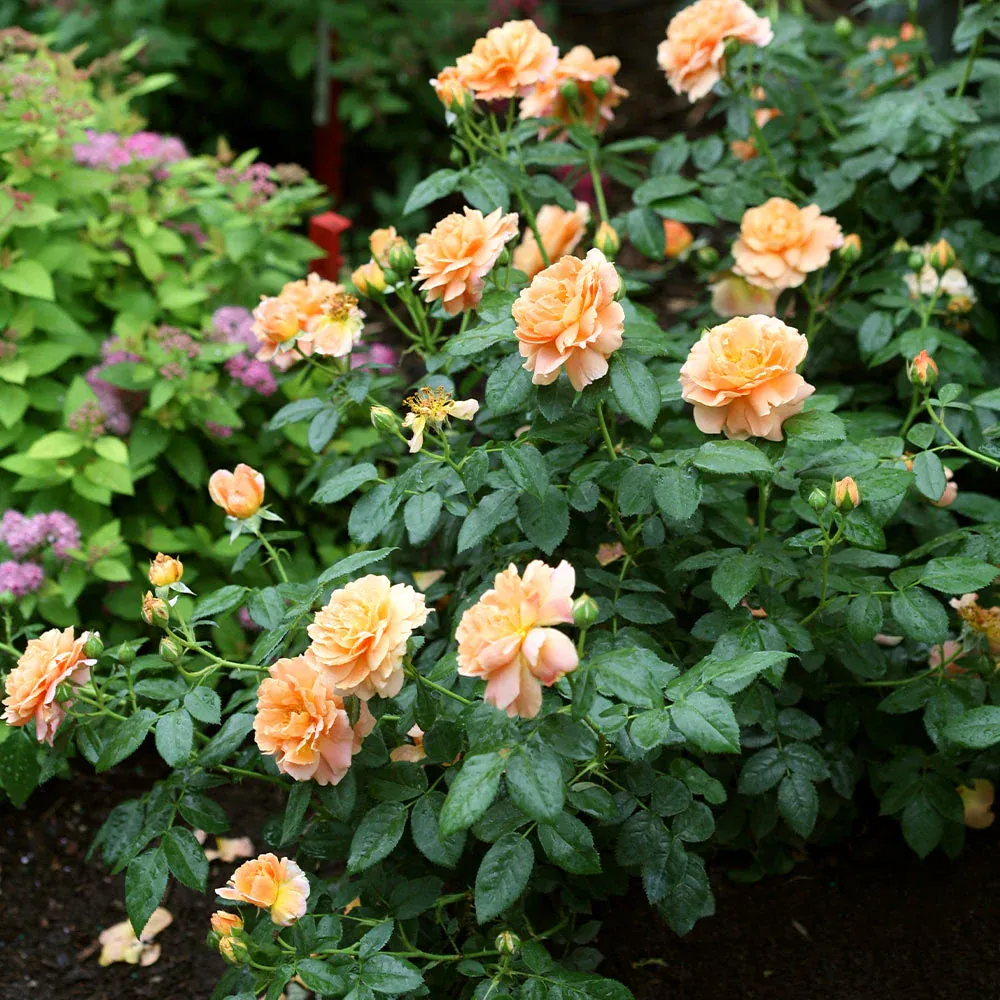
- Features continuous bloom cycles from late spring through frost without the need for deadheading.
- Exhibits high natural resistance to common fungal diseases including black spot and powdery mildew.
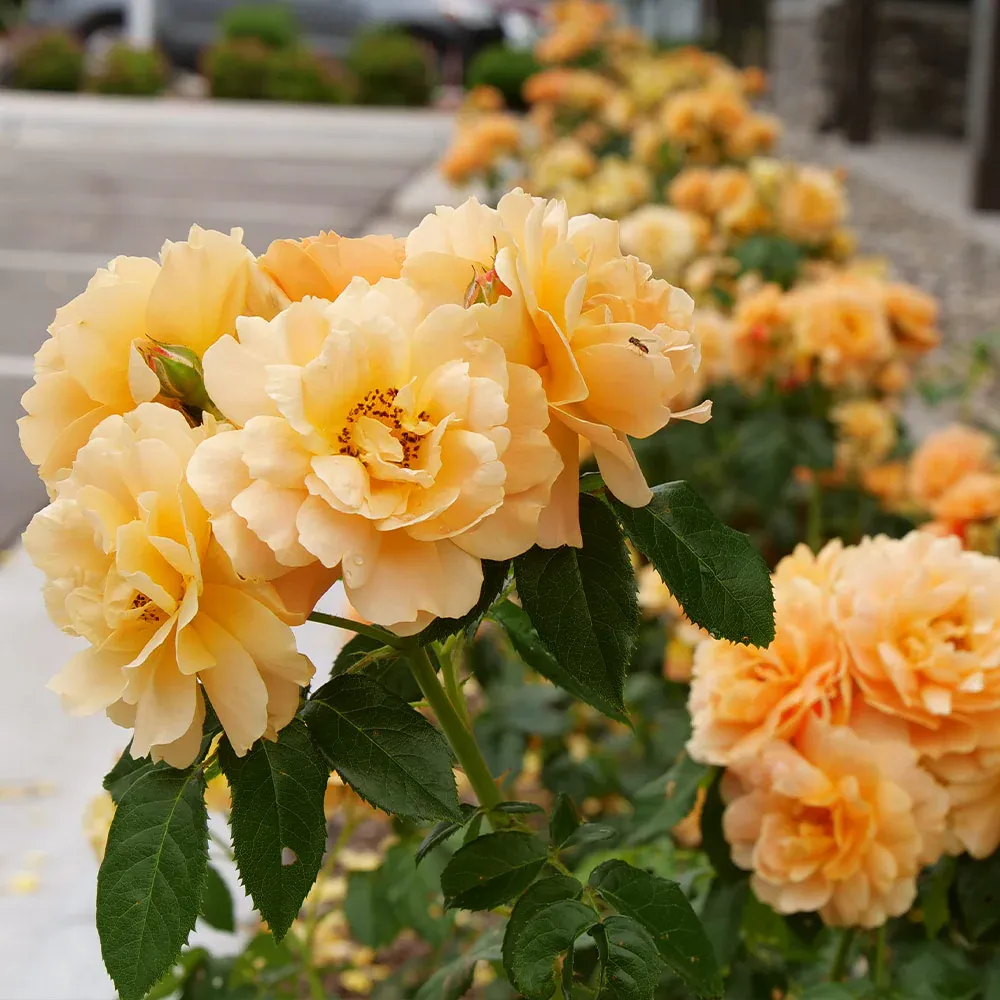
- Produces a strong, classic rose fragrance suitable for garden borders and landscape massing.
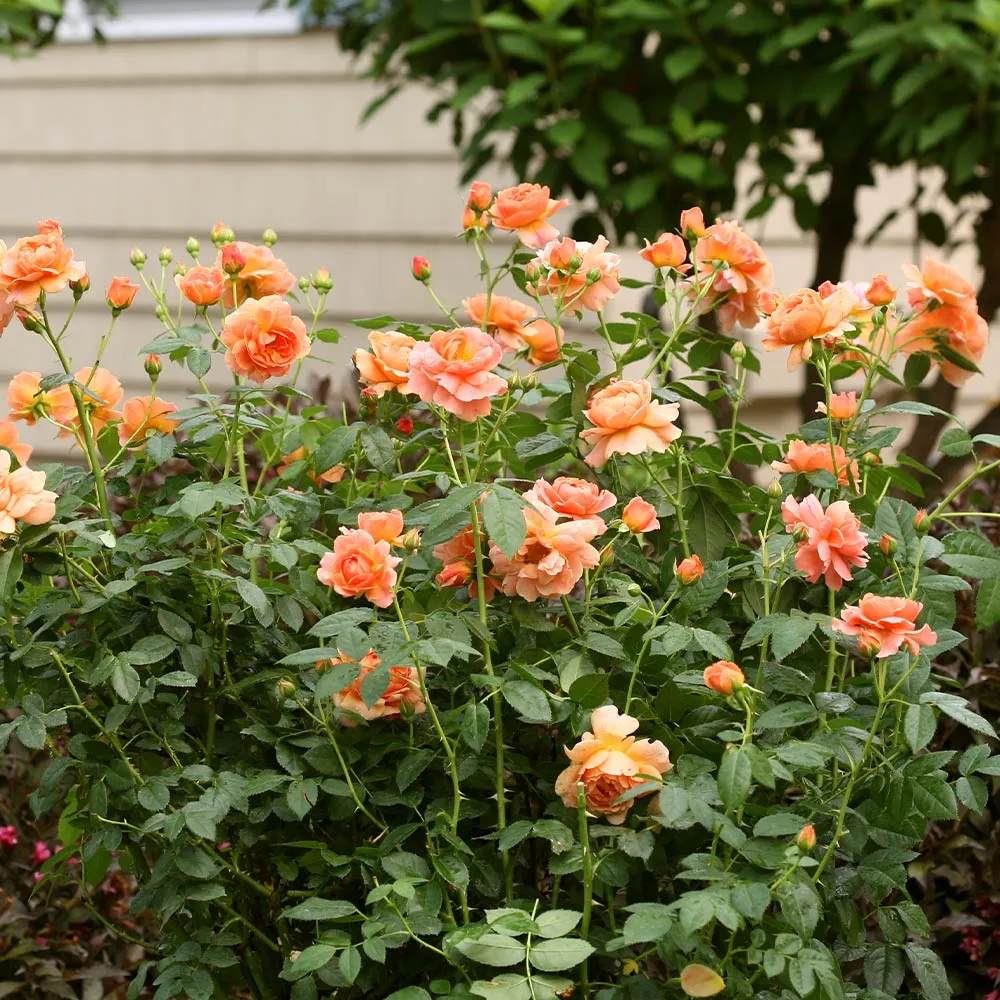
- Reaches a mature height and width of 2.5 to 3 feet, fitting compact garden spaces.
Size: 1 quart
Experience Continuous Fragrance and Color with At Last® Rose
The At Last® Rose Shrub is engineered for gardeners seeking the classic aesthetic and scent of traditional roses without the intensive labor typically associated with rose cultivation. This variety is characterized by its ability to produce successive waves of blooms throughout the growing season, ensuring your landscape remains vibrant from late spring until the first frost.
Disease Resistance and Low Maintenance
A primary challenge in rose gardening is managing fungal issues. This shrub is developed for high disease resistance, specifically targeting common ailments such as black spot and powdery mildew. By reducing the need for chemical interventions, it serves as a reliable option for integrated pest management in residential landscapes. Furthermore, the plant is self-cleaning, meaning it does not require manual deadheading to stimulate new flower production.
Landscape Application
With a compact, mounded habit, this shrub is suitable for various garden applications. It performs well when planted in groups for mass impact, as a standalone specimen in perennial beds, or in containers. Its size allows for integration into smaller garden footprints while maintaining a significant visual presence.
Cultivation Requirements
- Hardiness Zones: Thrives in USDA zones 5-9.
- Sun Exposure: Requires full sun, defined as at least 6 hours of direct sunlight daily.
- Pruning: Minimal pruning required; can be shaped in early spring as new growth emerges.
- Watering: Consistent moisture is recommended during the establishment phase; drought tolerance increases once fully rooted.
You May Also Like
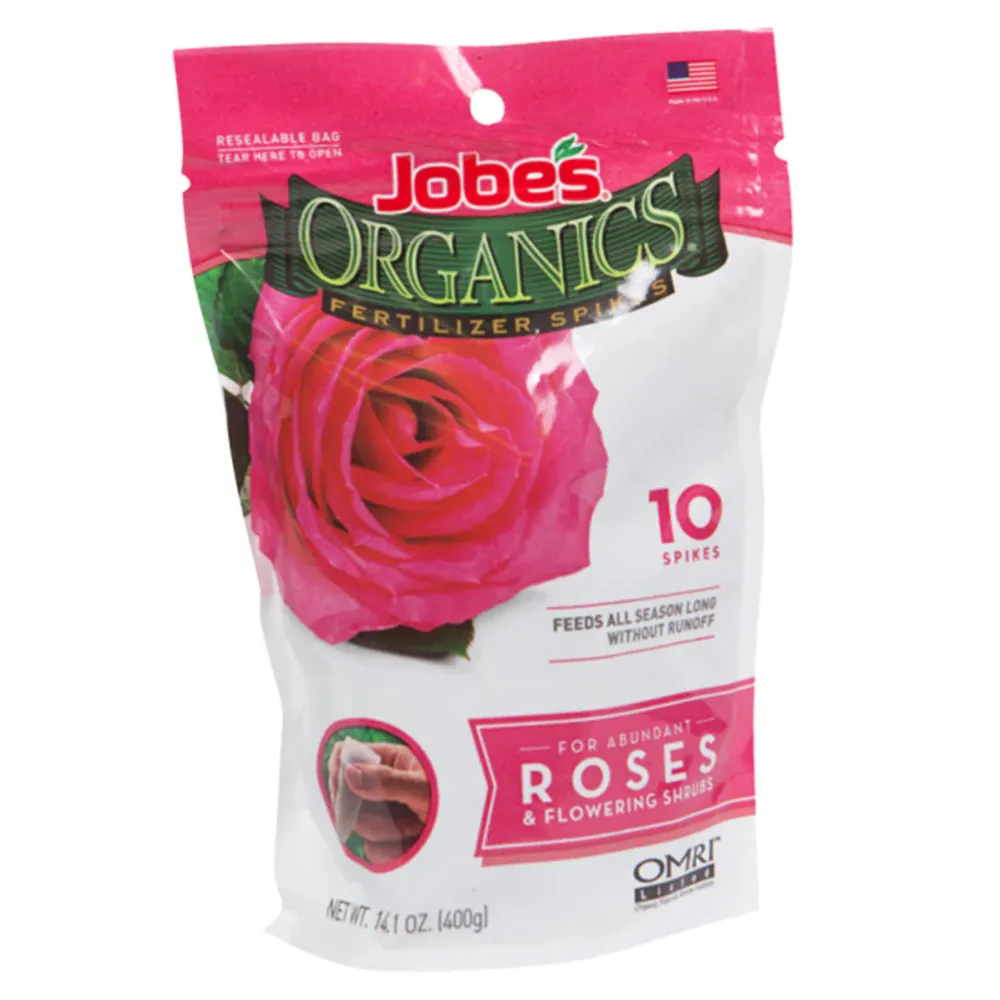
Jobe's Rose Fertilizer Spikes - Slow-Release Nutrient Delivery System
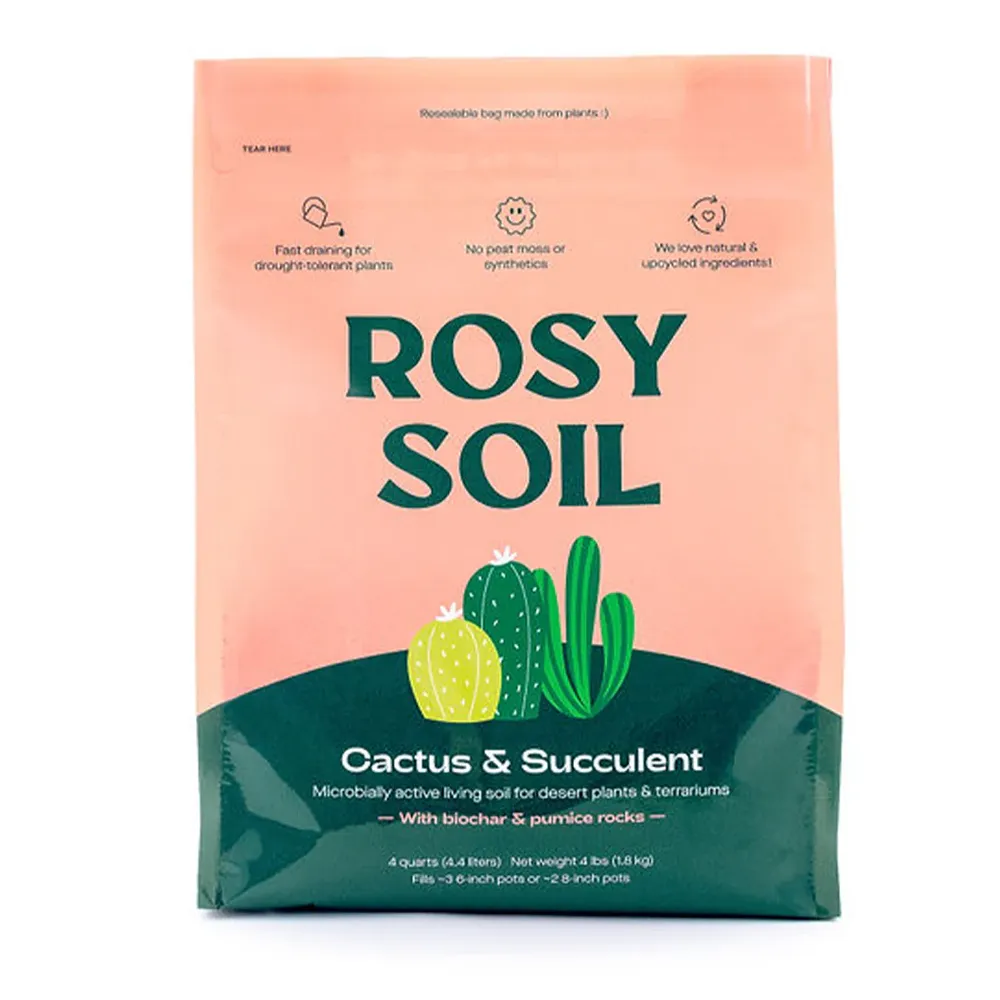
Cactus and Succulent Potting Mix - Fast-Draining Soil Blend for Indoor Plants
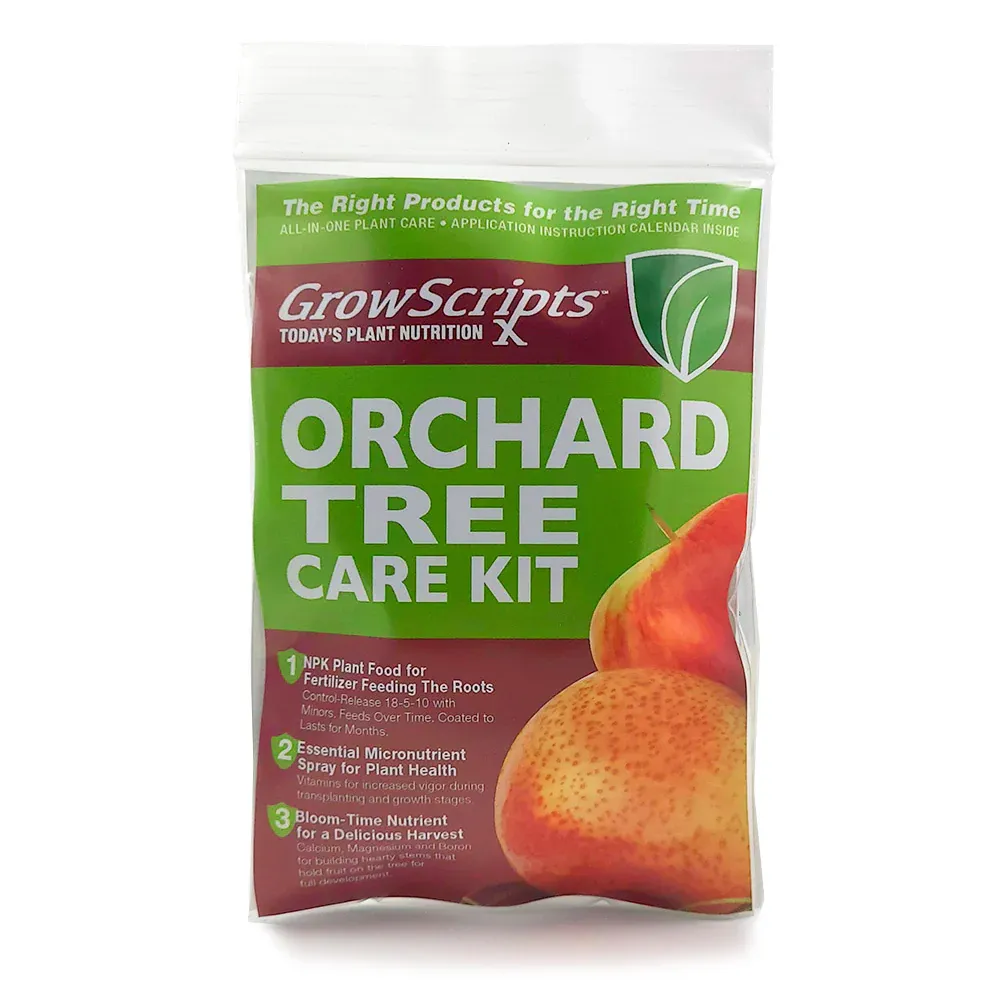
Orchard Tree Care Kit for Fruit Tree Growth and Maintenance
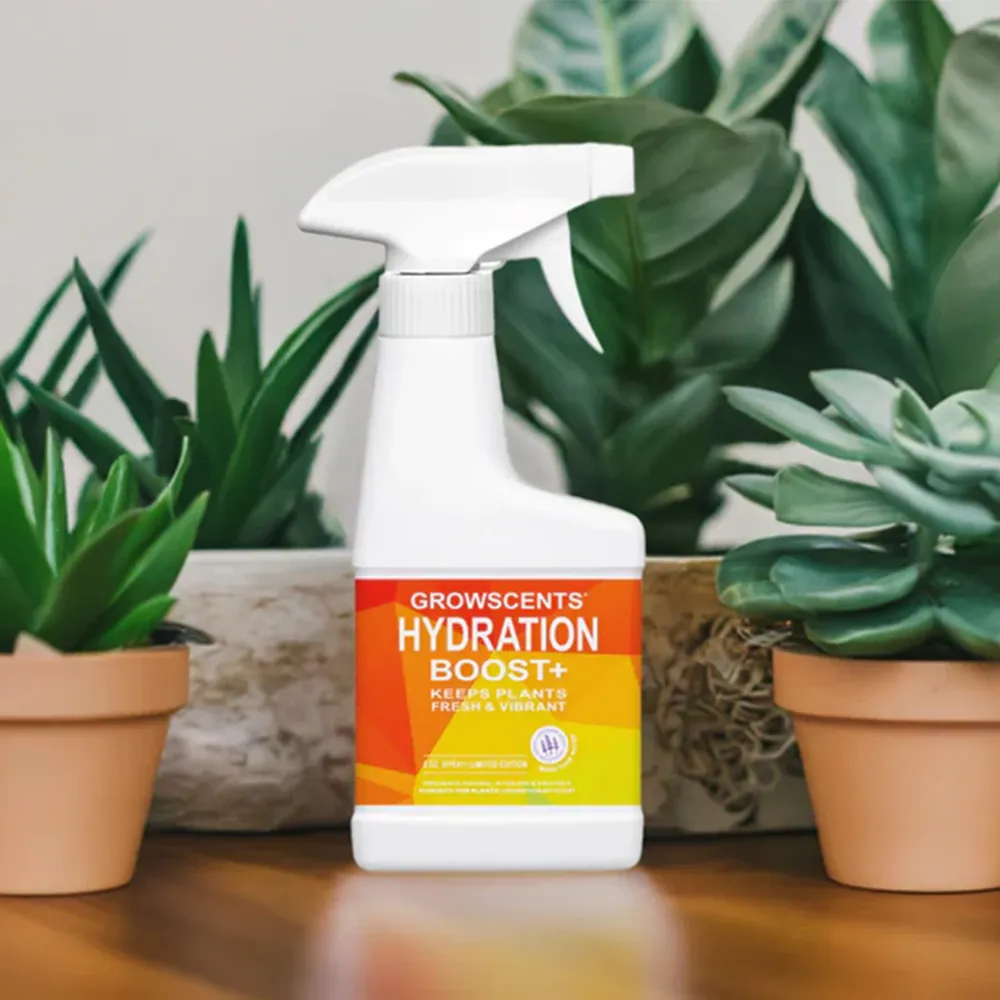
Hydration Boost + Electrolyte Supplement Powder for Daily Hydration Support
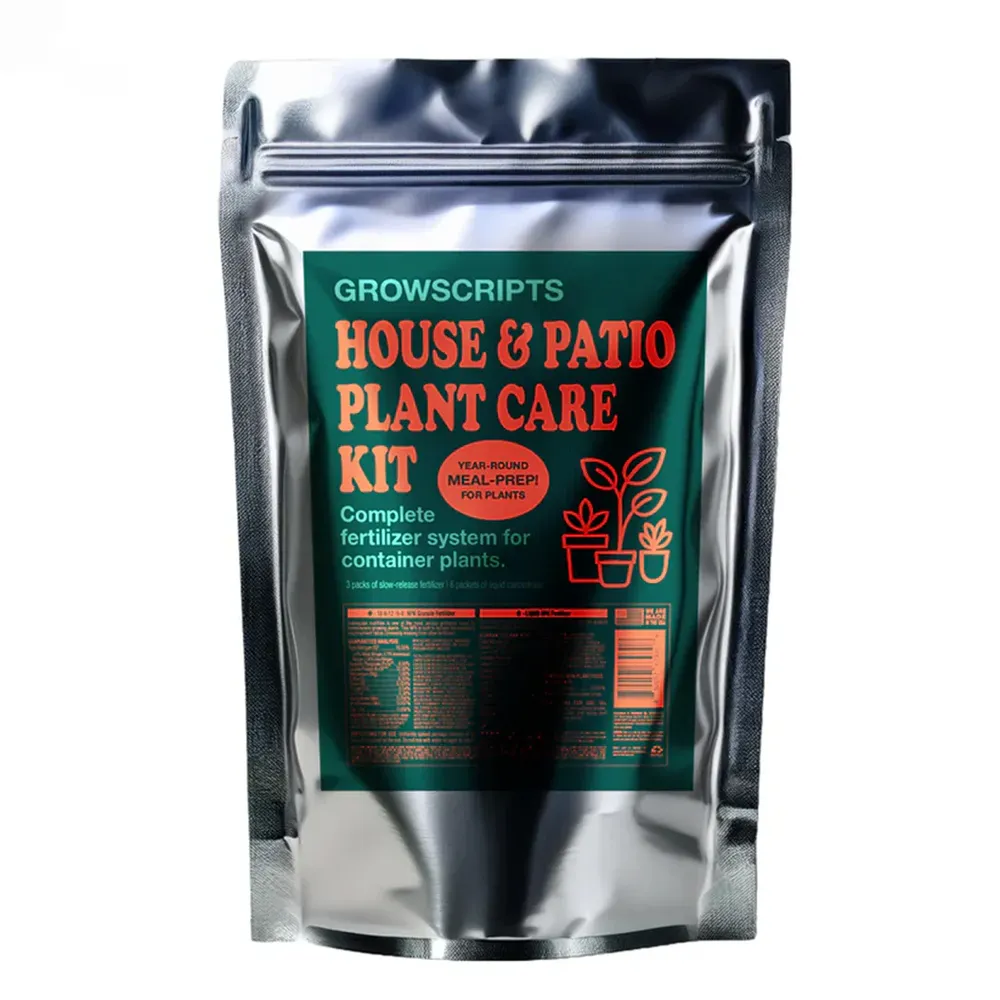
House and Patio Plant Care Kit - Comprehensive Indoor and Outdoor Fertilizer Set

Citrus Tree Care and Maintenance Kit for Lemon and Fruit Trees