
Princeton American Elm Tree - Disease-Resistant Deciduous Shade Tree
$98.95
$112.95
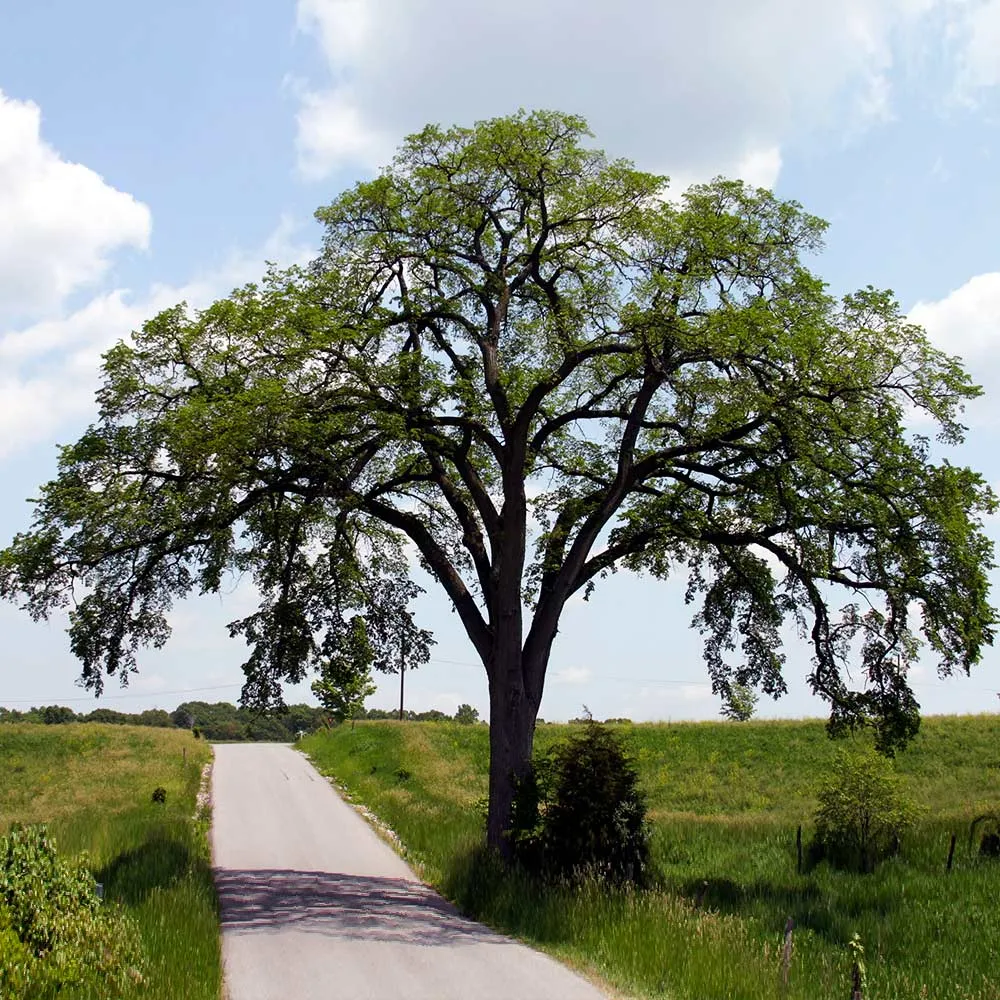
- Features a distinct symmetrical, vase-shaped growth habit for classic landscape aesthetics.
- Demonstrates high resistance to Dutch Elm Disease (DED) compared to native species.
- Displays a rapid growth rate, reaching significant height and canopy spread efficiently.
- Adapts to a wide range of soil types and urban environmental conditions.
- Provides dense, dark green foliage that turns a consistent yellow in the autumn season.
Size: 4-5 feet
Overview of the Princeton American Elm
The Princeton American Elm is a cultivar of Ulmus americana, widely recognized for its structural integrity and historical significance in American landscaping. This deciduous tree is characterized by its iconic vase-shaped canopy, which provides substantial shade and aesthetic value to residential and commercial properties. Its ability to thrive in diverse environments makes it a reliable choice for long-term landscape planning.
Growth Characteristics and Maintenance
This cultivar is noted for its vigorous growth rate. When provided with adequate space and sunlight, it develops a strong central leader and uniform branching. To ensure structural health, regular pruning during the dormant season is recommended to maintain the desired shape and remove any crossing or damaged branches. The tree is adaptable to various soil moisture levels, though well-draining soil is preferred for optimal root development.
Environmental Adaptability
- Disease Resistance: Specifically selected for its tolerance to Dutch Elm Disease, providing a durable alternative to traditional elms.
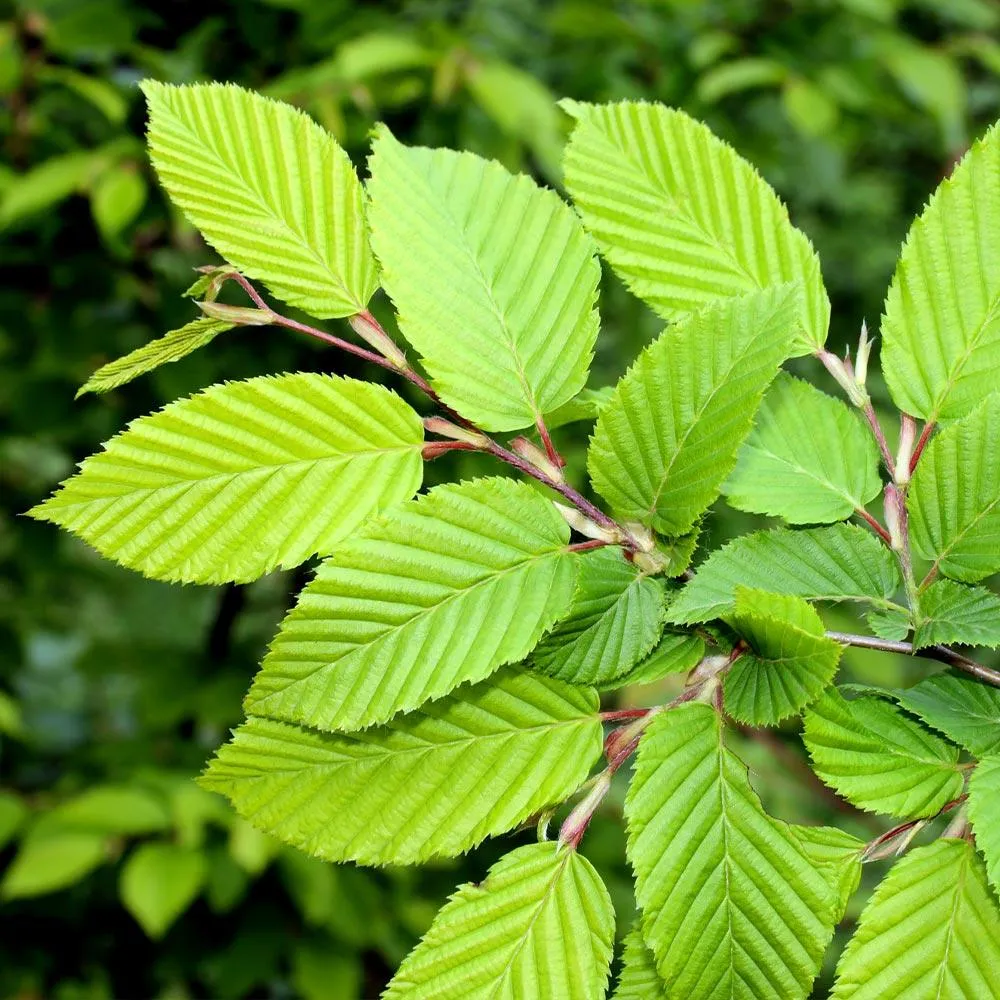
- Seasonal Interest: Features dark green, serrated leaves throughout the growing season, transitioning to a vibrant yellow hue during the fall.
- Urban Tolerance: Exhibits high tolerance to urban pollution and compacted soil conditions, making it suitable for street-side planting or park settings.
- Structural Form: Naturally develops a symmetrical, upright canopy that requires minimal training as it matures.
You May Also Like
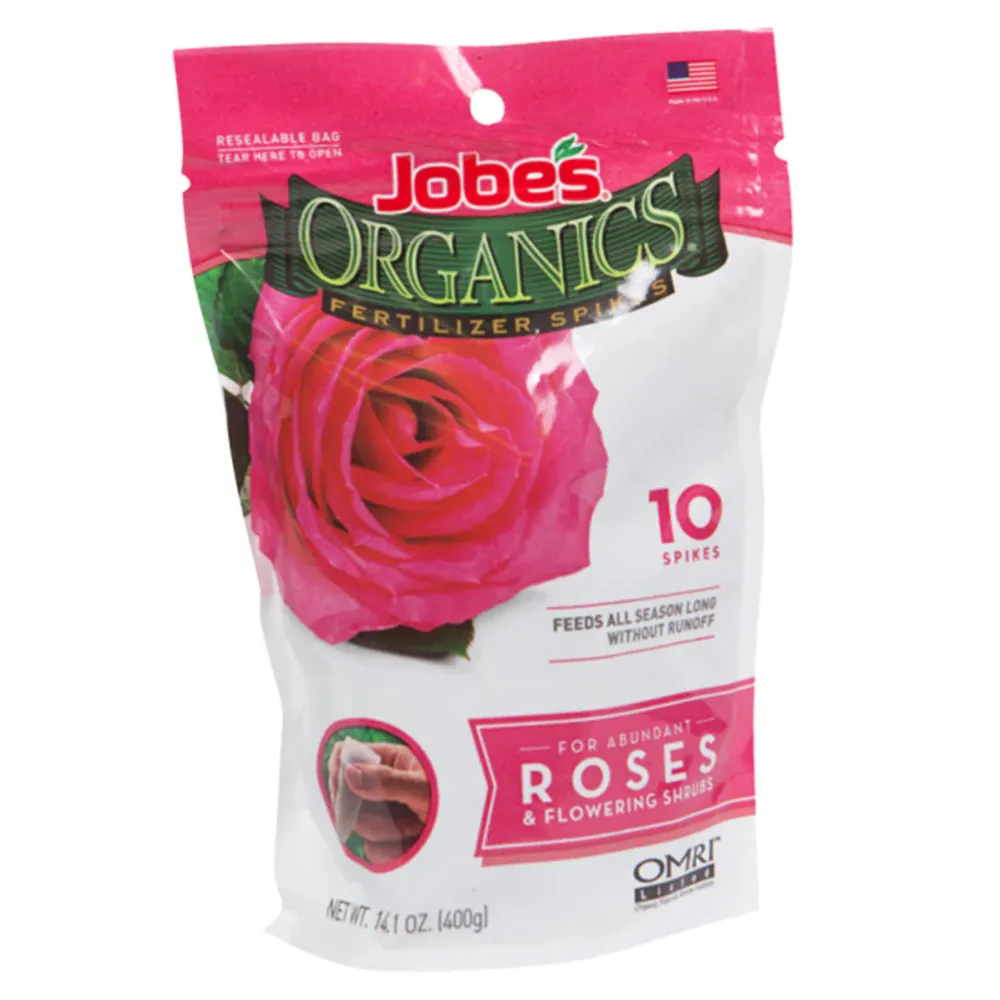
Jobe's Rose Fertilizer Spikes - Slow-Release Nutrient Delivery System
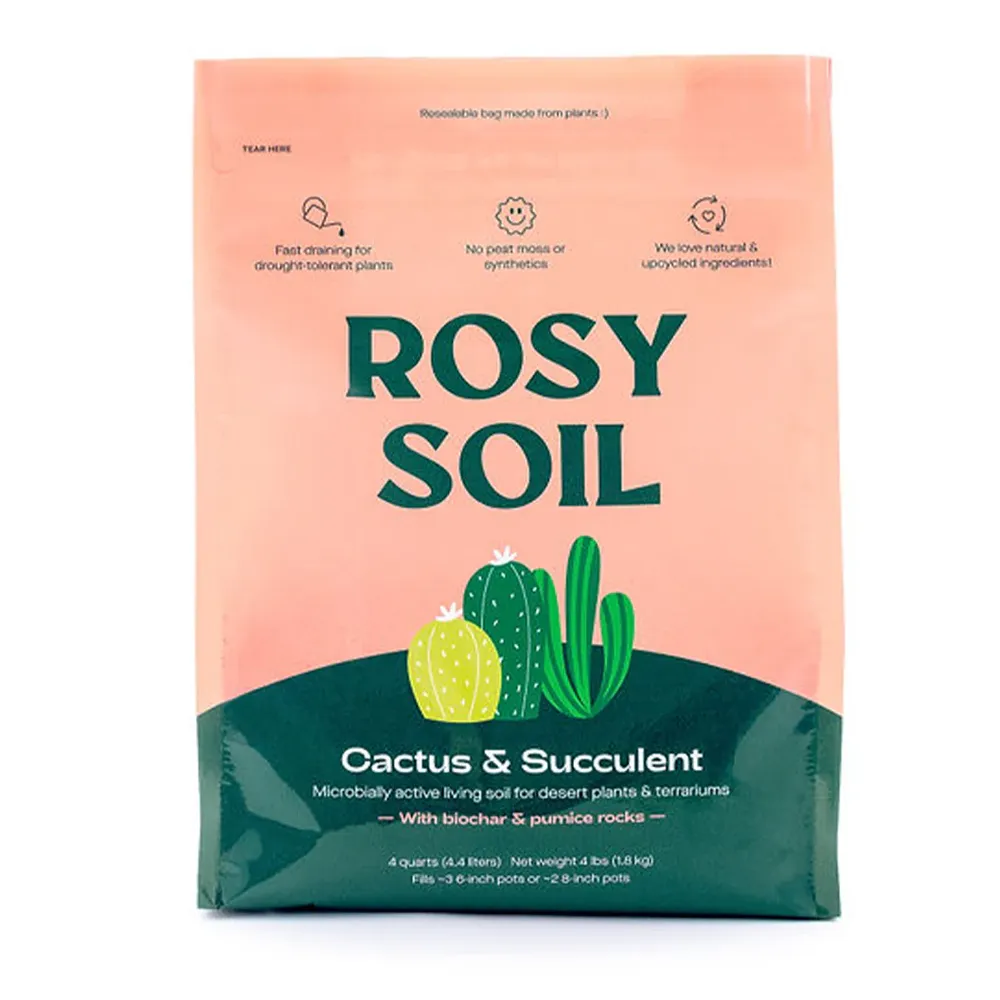
Cactus and Succulent Potting Mix - Fast-Draining Soil Blend for Indoor Plants
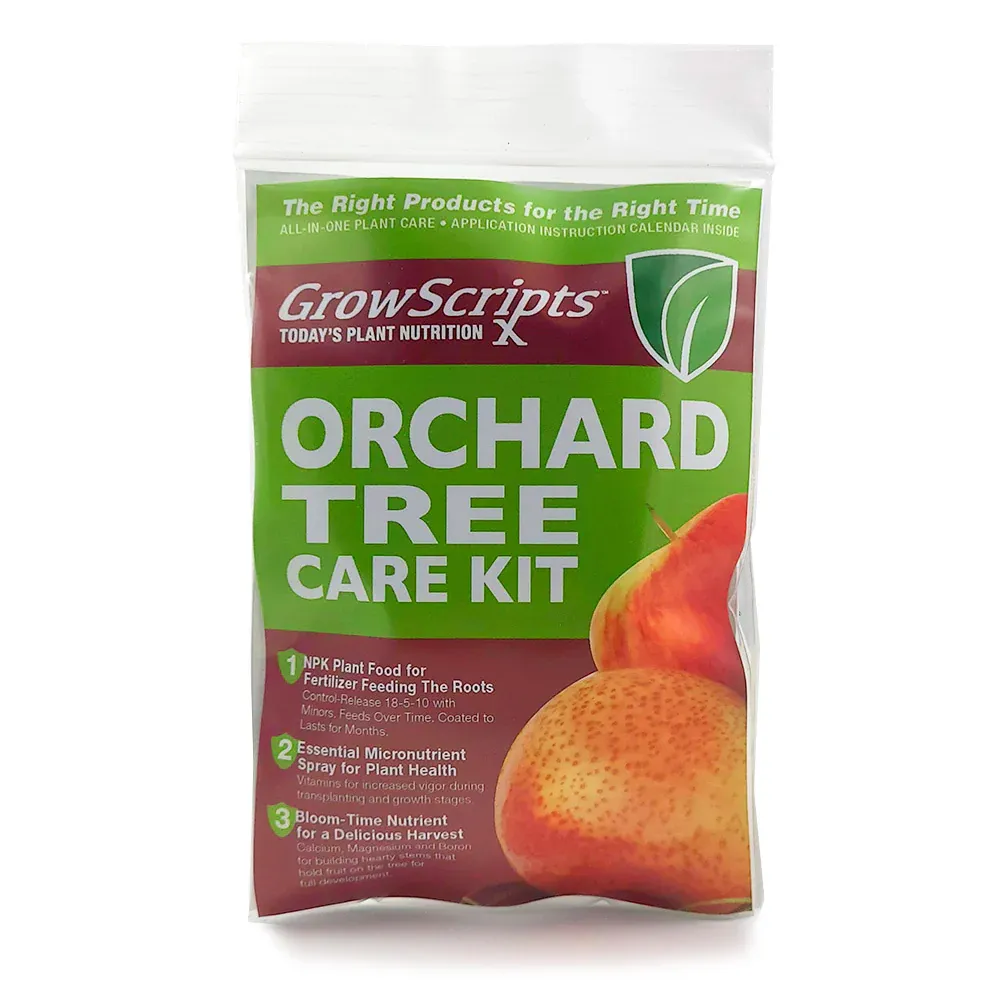
Orchard Tree Care Kit for Fruit Tree Growth and Maintenance

Hydration Boost + Electrolyte Supplement Powder for Daily Hydration Support
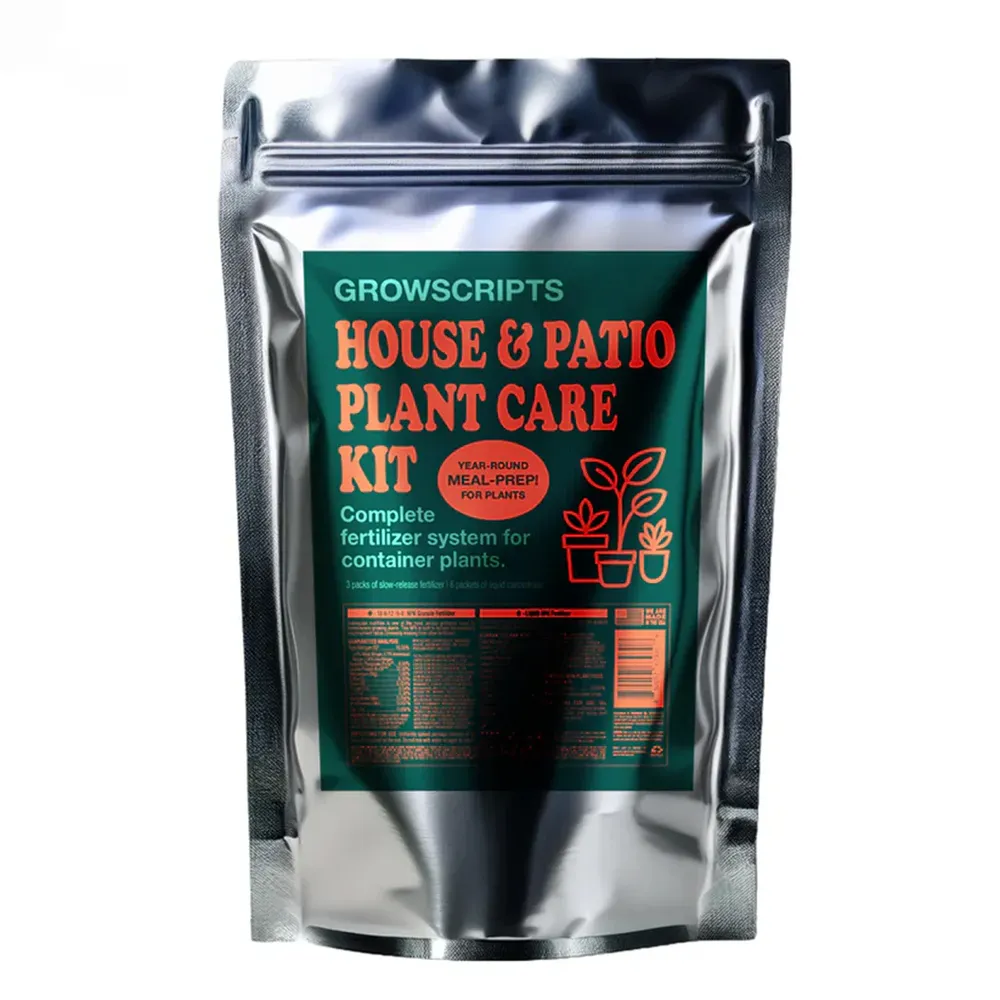
House and Patio Plant Care Kit - Comprehensive Indoor and Outdoor Fertilizer Set
Citrus Tree Care and Maintenance Kit for Lemon and Fruit Trees