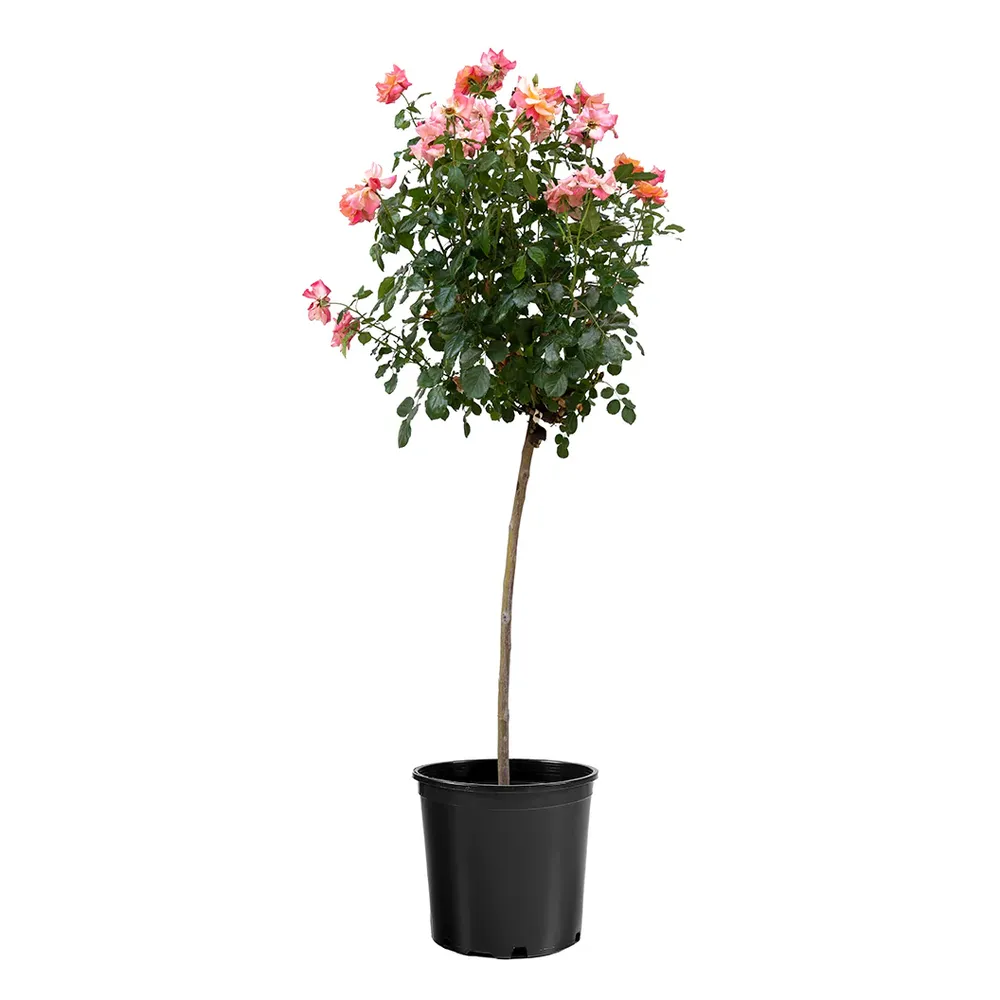
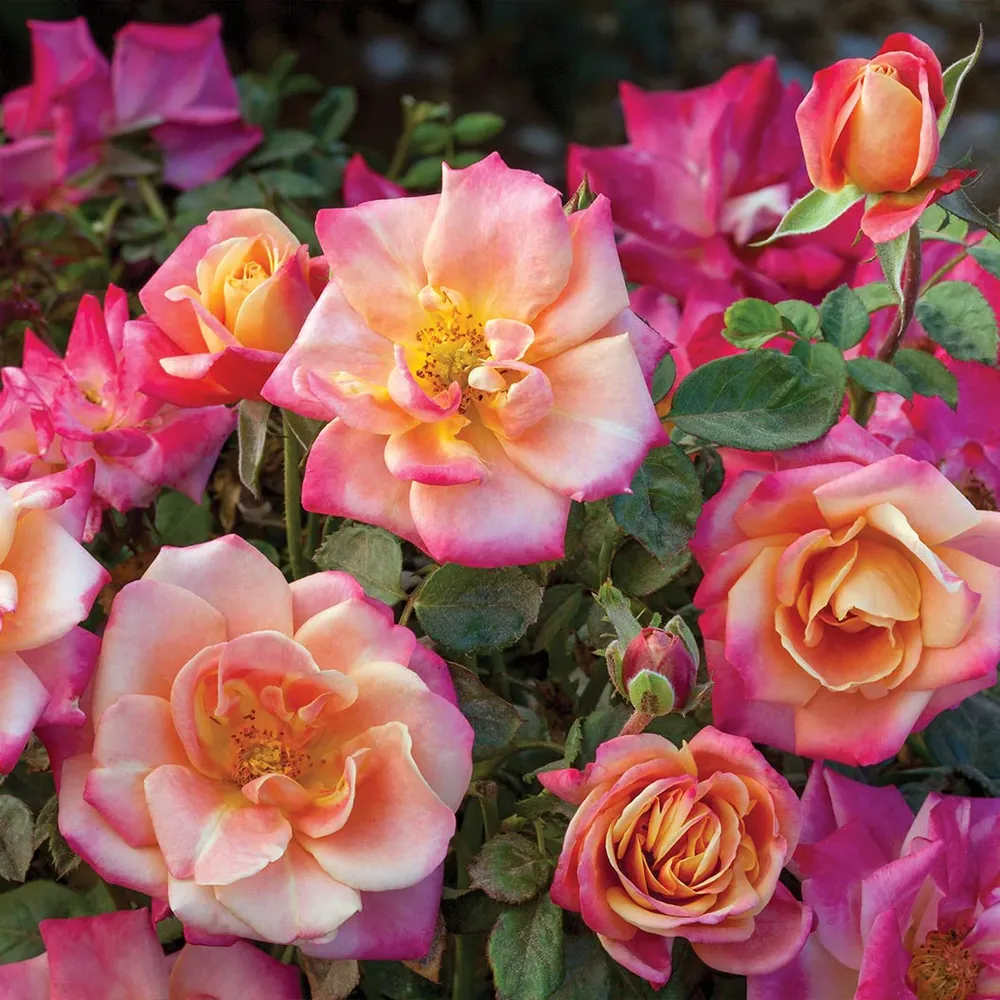
Polynesian Punch Rose Tree - Ornamental Flowering Standard Rose
$102.95
$106.95
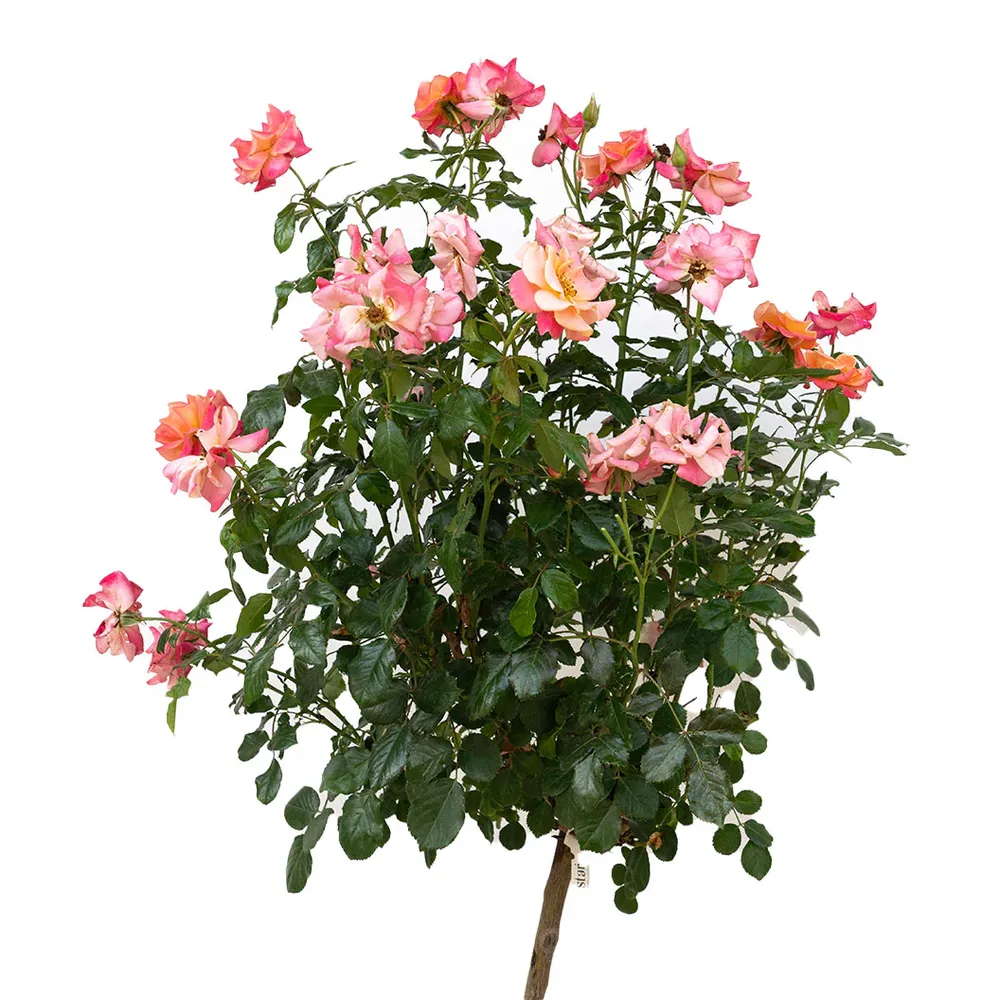
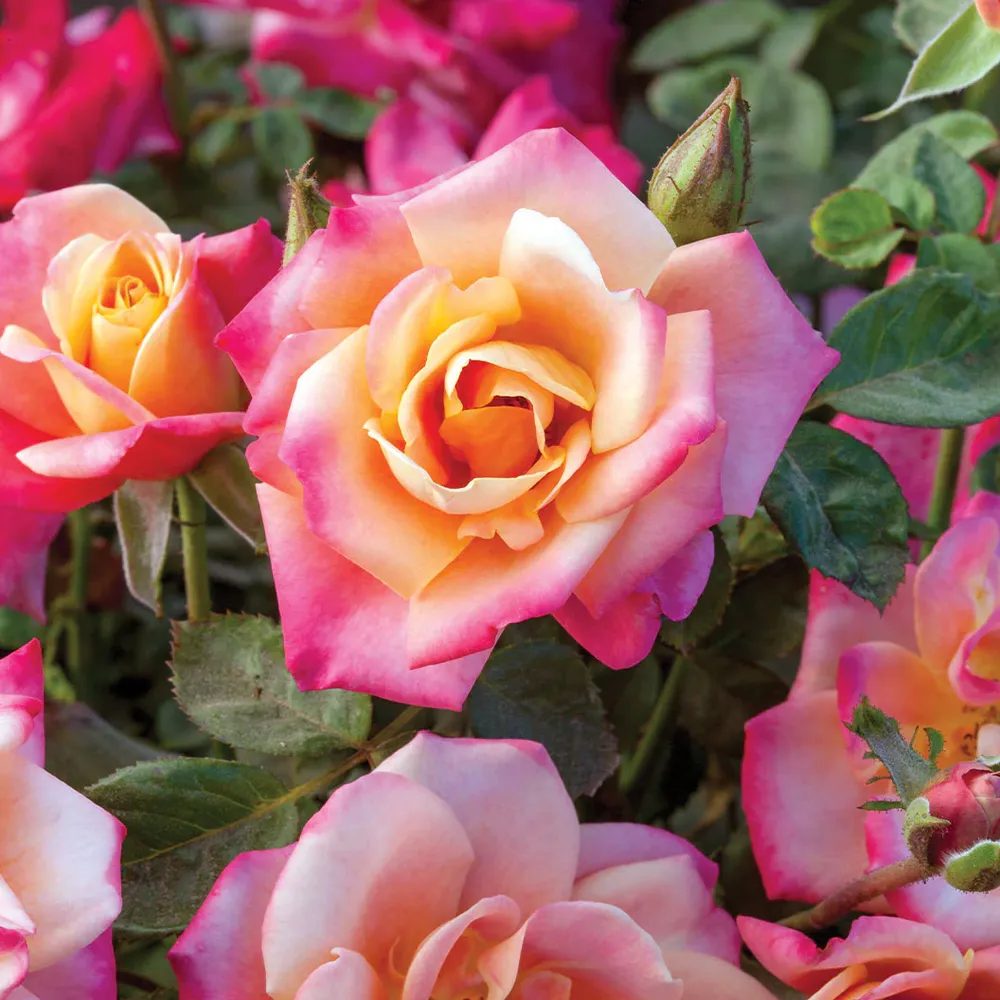
- Features vibrant, multi-tonal floral clusters characteristic of the Polynesian Punch variety.
- Grown in a standard tree form to provide vertical interest in garden landscapes.
- Suitable for both in-ground planting and large container gardening.
- Requires consistent sunlight and regular watering for optimal bloom production.
Size: 3-4 feet
Polynesian Punch Rose Tree Overview
The Polynesian Punch Rose Tree is a cultivated standard rose variety, trained to grow with a single, upright trunk and a rounded canopy of foliage and flowers. This growth habit elevates the blooms, making them a focal point in flower beds, walkways, or patio arrangements.
Growth and Maintenance
This rose tree thrives in locations that receive full sun exposure, typically requiring at least six hours of direct sunlight daily. Consistent moisture is necessary for the root system, particularly when planted in containers, which may dry out faster than ground soil. Regular pruning of the canopy helps maintain the desired spherical shape and encourages new growth for subsequent flowering cycles.
Landscape Application
Due to its structured form, this rose tree serves as an architectural element in garden design. It can be utilized as a standalone specimen plant or paired in symmetrical arrangements to frame entrances or garden paths. The plant is adaptable to various soil types, provided there is adequate drainage to prevent water saturation at the root zone.
Care Considerations
- Light Requirements: Full sun exposure is recommended for maximum flower production.
- Watering: Maintain consistent soil moisture; ensure containers have drainage holes to prevent root rot.
- Pruning: Trim back spent blooms and shape the canopy during the dormant season to promote vigorous spring growth.
- Placement: Suitable for temperate climates; consider winter protection in regions prone to hard freezes.
You May Also Like
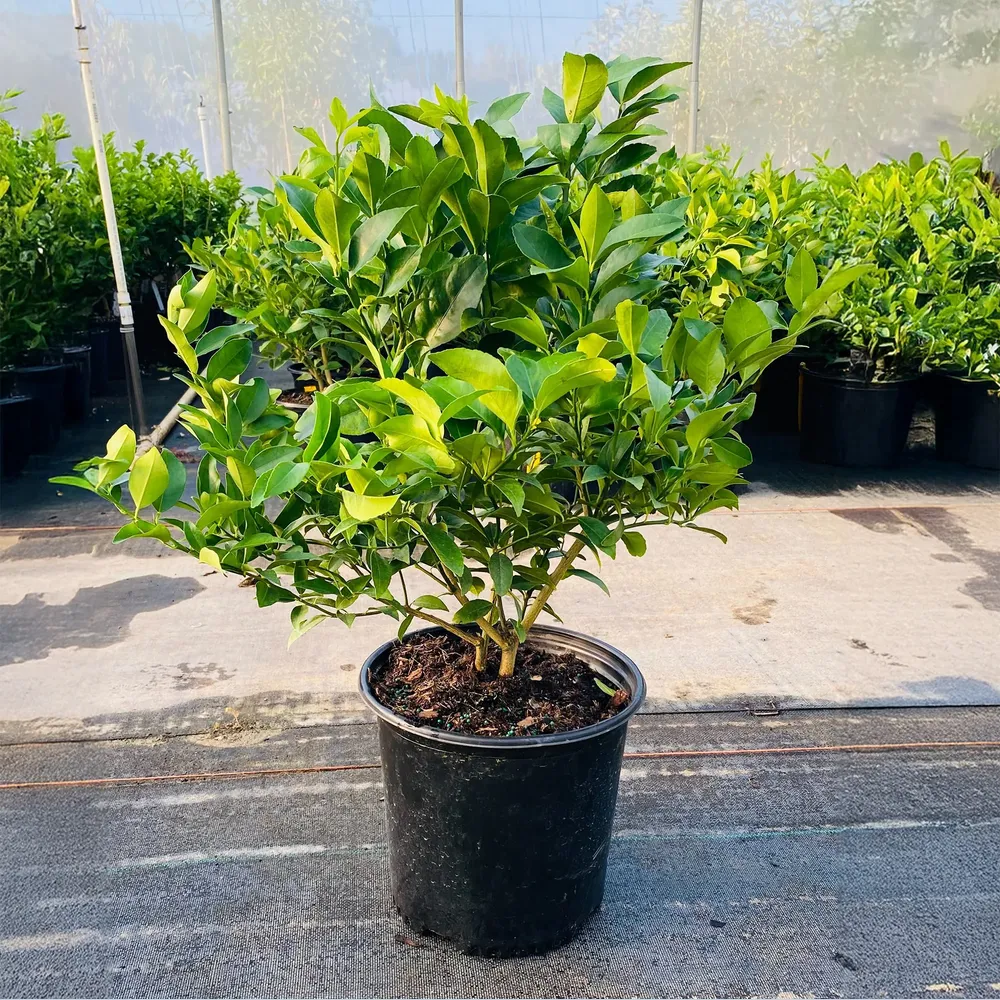
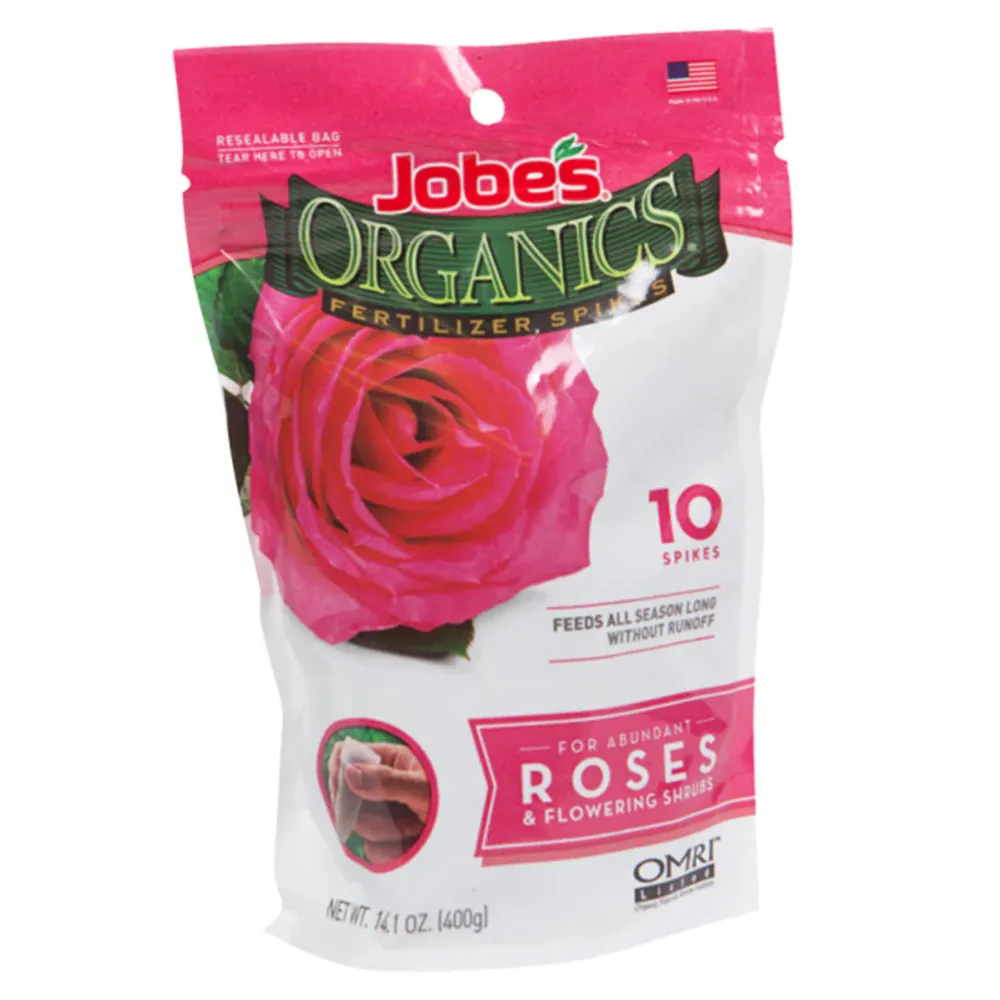
Jobe's Rose Fertilizer Spikes - Slow-Release Nutrient Delivery System
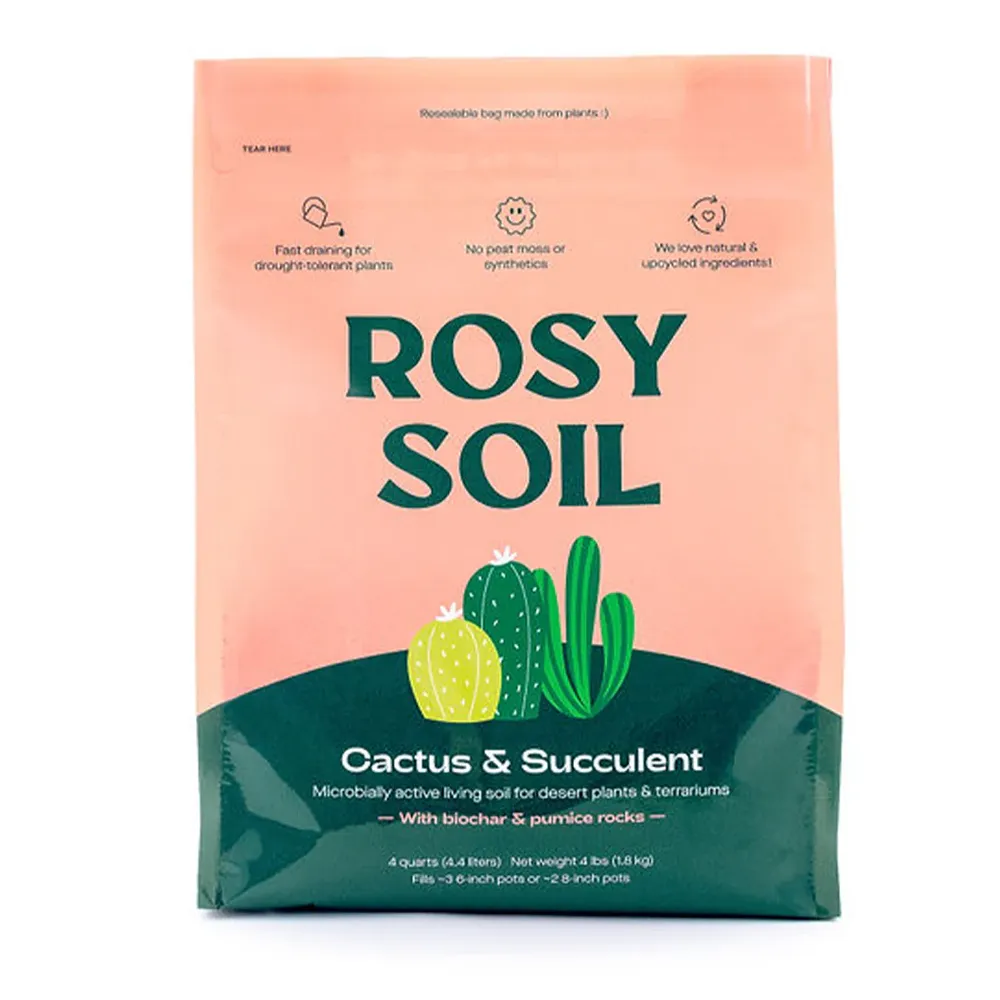
Cactus and Succulent Potting Mix - Fast-Draining Soil Blend for Indoor Plants
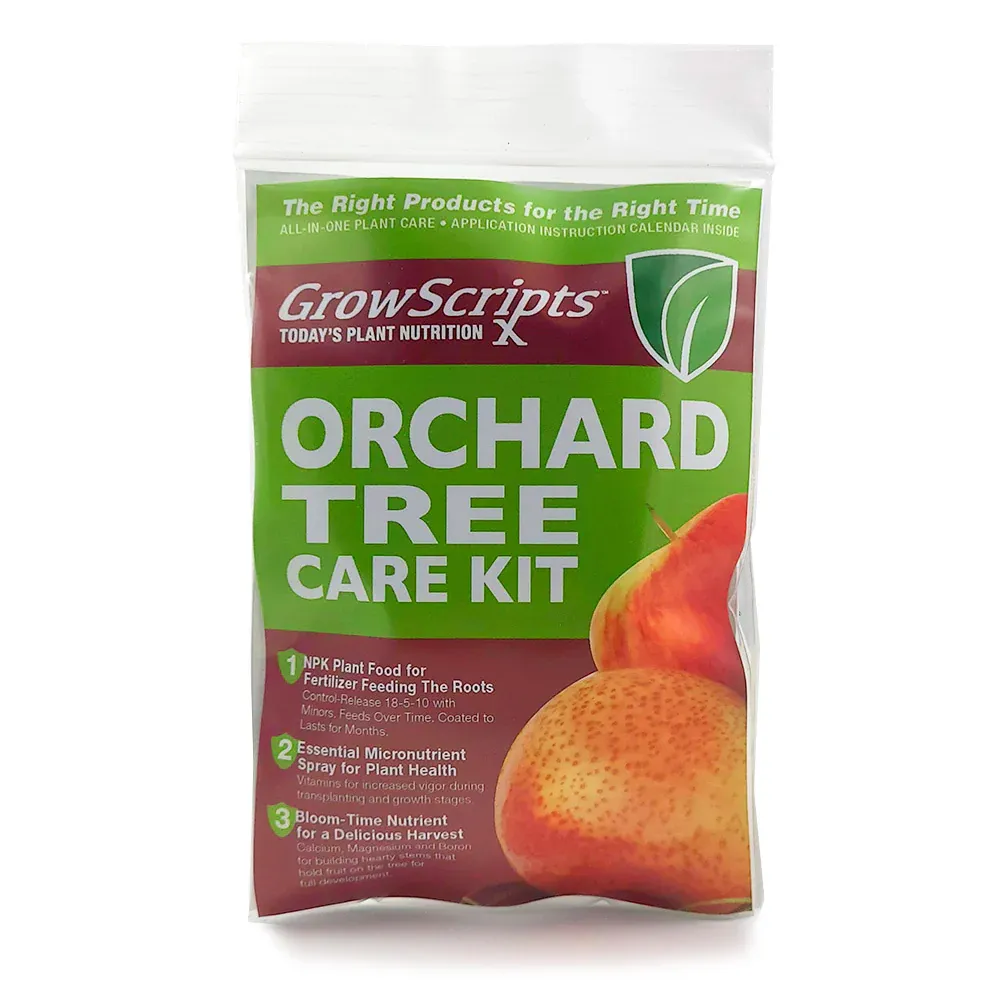
Orchard Tree Care Kit for Fruit Tree Growth and Maintenance
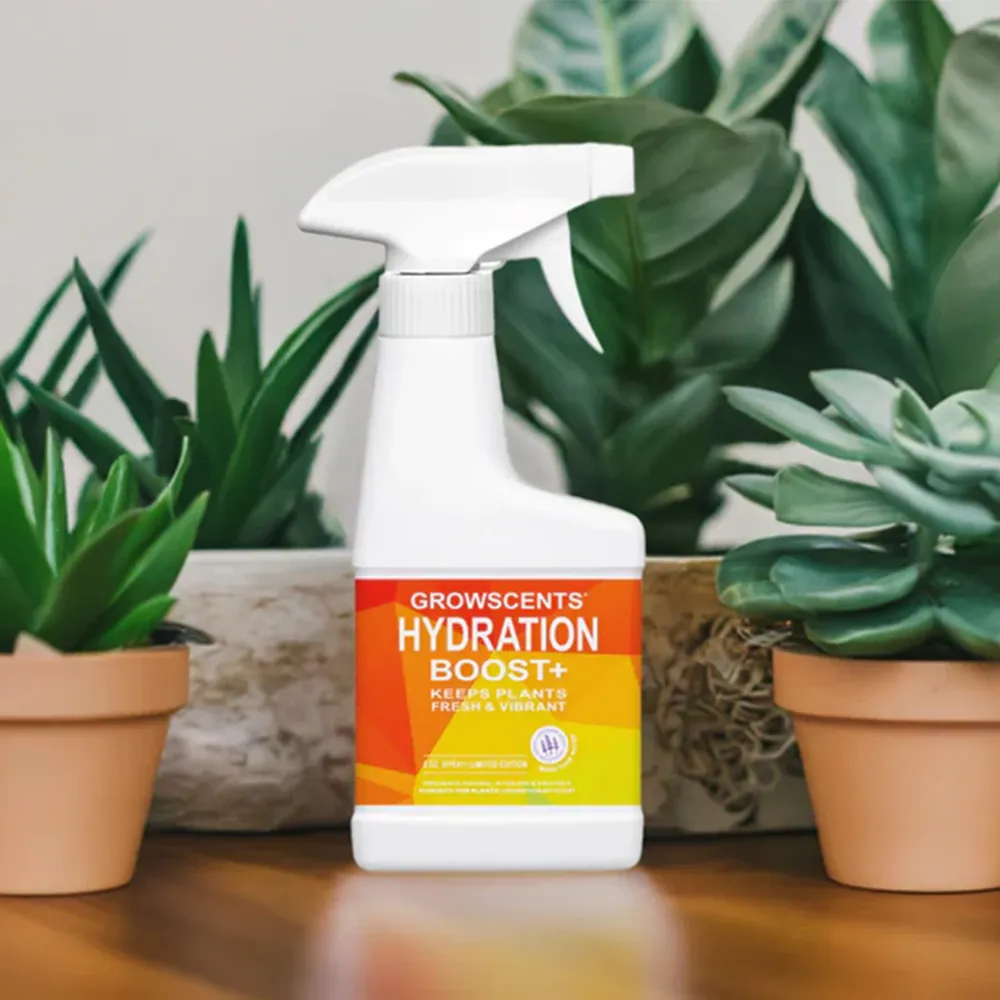
Hydration Boost + Electrolyte Supplement Powder for Daily Hydration Support
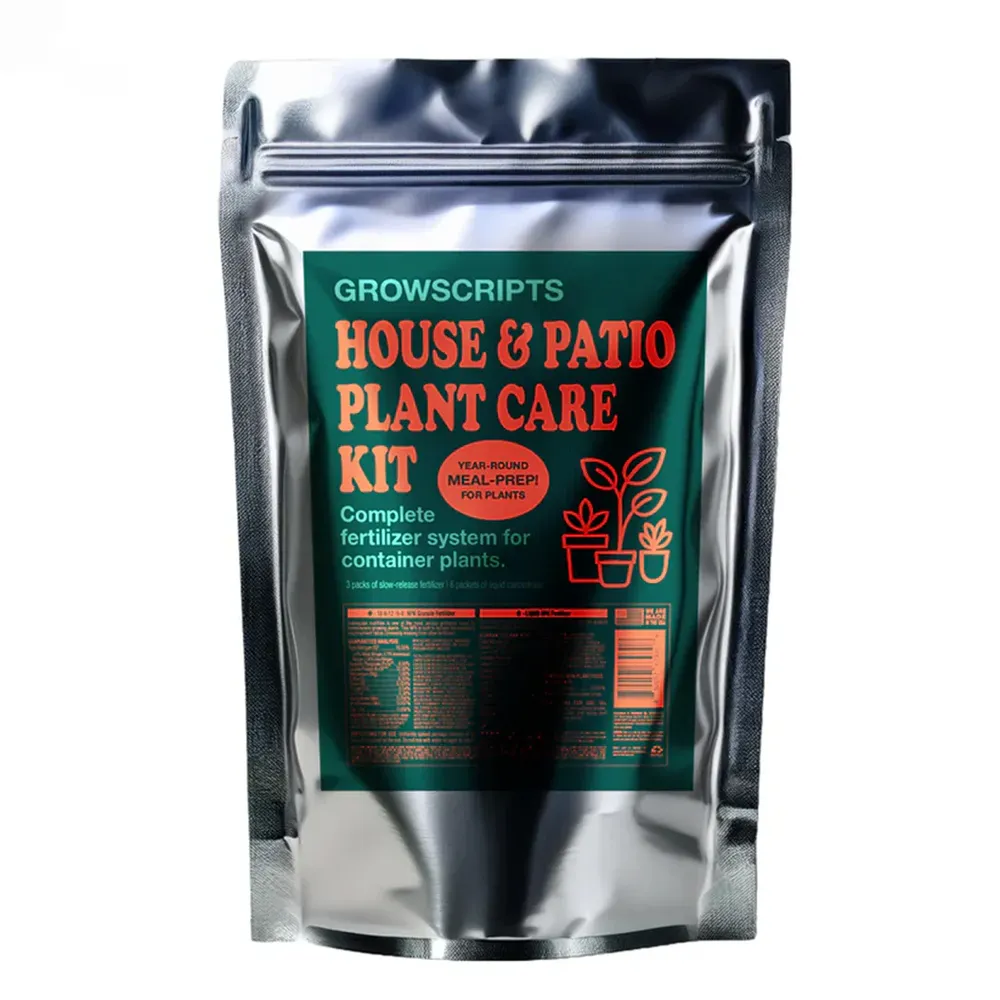
House and Patio Plant Care Kit - Comprehensive Indoor and Outdoor Fertilizer Set
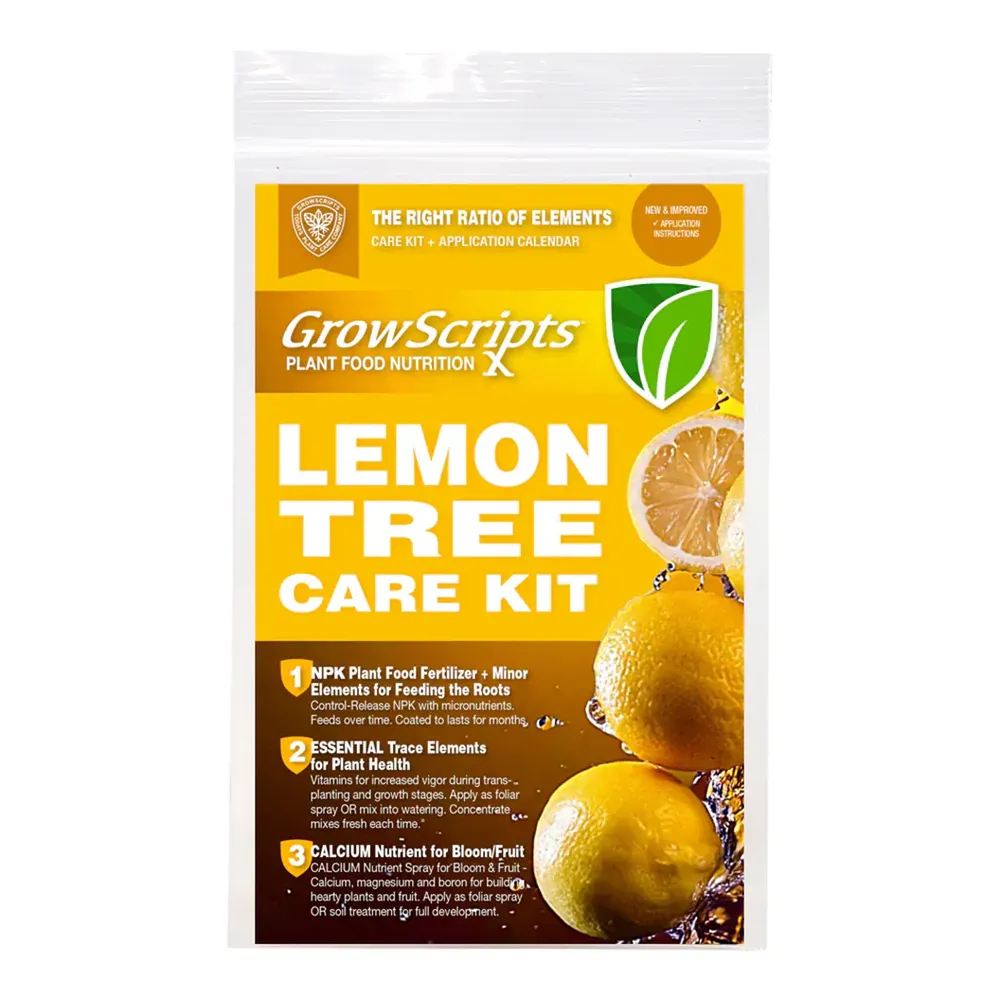
Citrus Tree Care and Maintenance Kit for Lemon and Fruit Trees