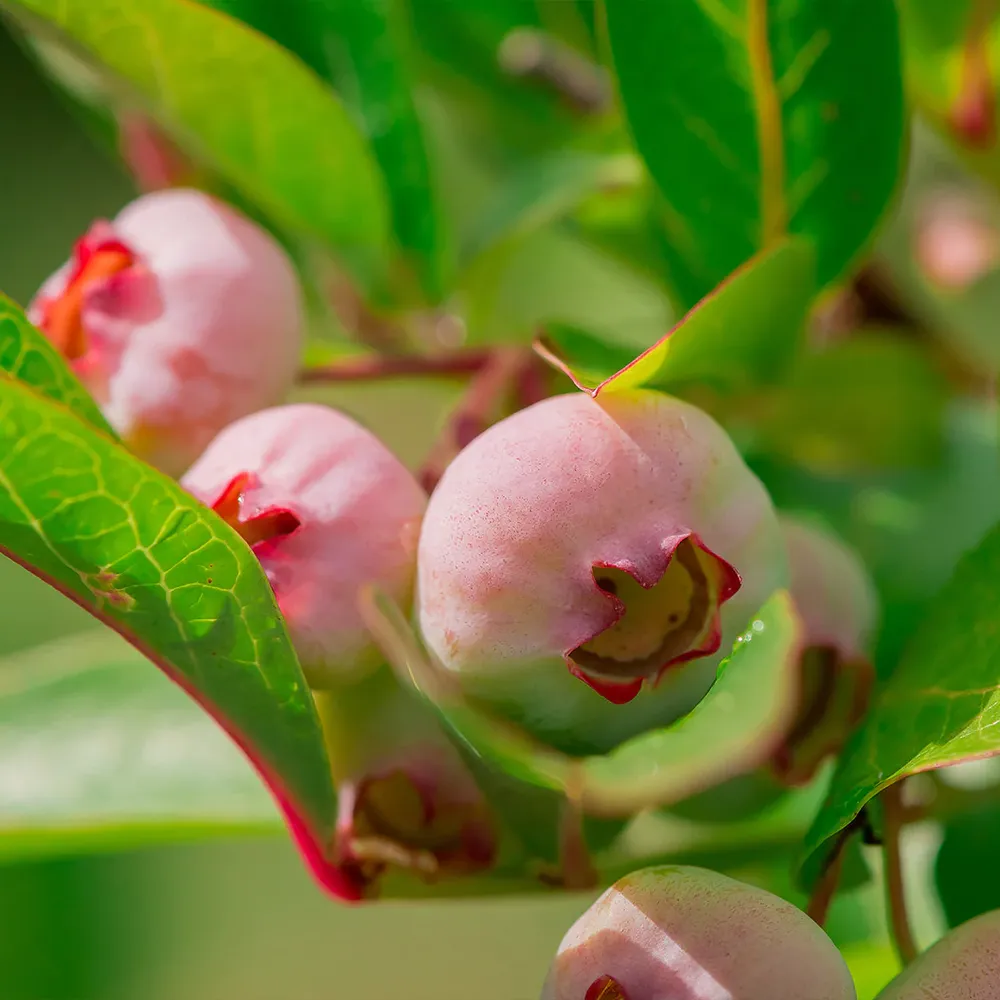
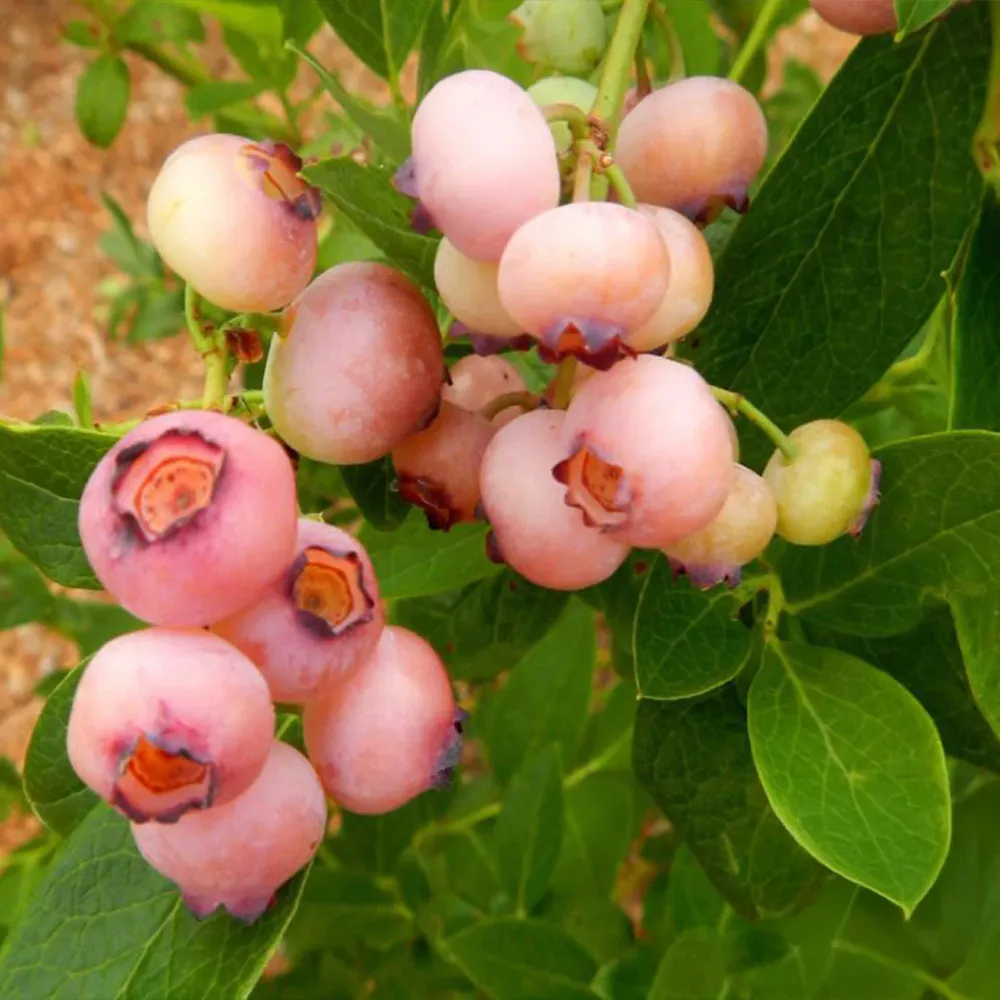
Pink Popcorn™ Blueberry Bush - Compact Edible Ornamental Shrub
$9.00
$20.00
- Produces flavorful, light-colored berries suitable for fresh consumption and culinary use.
- Compact growth habit makes it suitable for small garden spaces and container gardening.
- Provides seasonal visual interest with foliage color changes and fruit production.
- Requires acidic, well-draining soil for optimal plant health and development.
Enhance Your Garden with the Pink Popcorn Blueberry Bush
The Pink Popcorn Blueberry bush is a versatile shrub designed for both ornamental appeal and fruit production. This variety is recognized for its unique berry coloration and compact growth habit, making it a functional addition to residential landscapes, borders, or large containers.
Growth Characteristics and Maintenance
This blueberry variety thrives in environments with acidic soil, typically requiring a pH level between 4.5 and 5.5. Proper soil preparation and consistent moisture management are essential for supporting the plant's root system and overall vigor. The bush exhibits a dense, upright growth structure, which minimizes the need for extensive pruning while maintaining a tidy appearance throughout the growing season.
Culinary and Landscape Utility
- Edible Landscaping: Integrates into existing garden designs as a productive hedge or standalone specimen.
- Fruit Quality: Yields berries that are suitable for harvesting when fully ripe, offering a distinct flavor profile for home-grown produce.
- Pollination Requirements: To maximize fruit set, planting in proximity to other highbush blueberry varieties is recommended to facilitate cross-pollination.
- Seasonal Adaptability: Features foliage that responds to seasonal changes, providing aesthetic value beyond the harvest period.
Planting and Care Guidelines
For optimal results, plant in a location that receives full sun exposure. Ensure the planting site has well-draining soil to prevent water stagnation. Regular mulching is recommended to help retain soil moisture and suppress weed growth around the base of the plant. Monitor for common garden pests and maintain appropriate irrigation schedules during dry periods to support consistent plant development.
You May Also Like
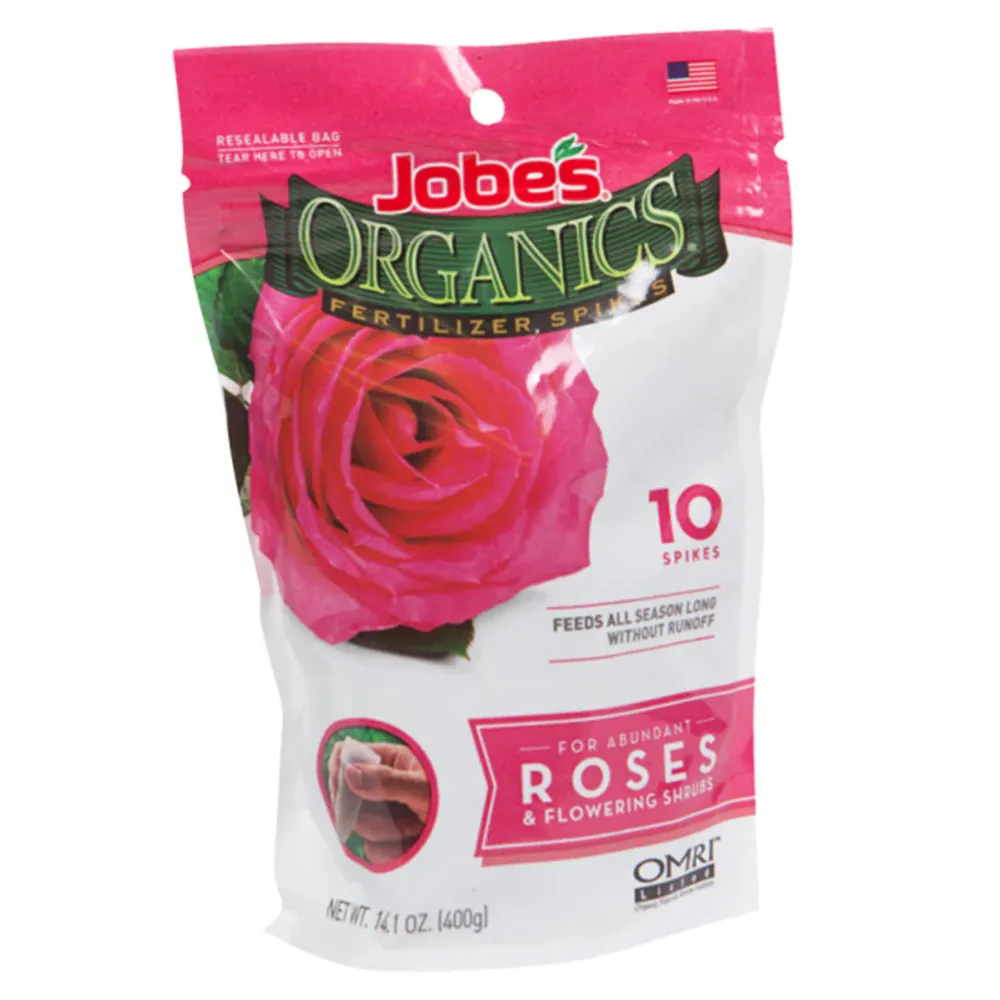
Jobe's Rose Fertilizer Spikes - Slow-Release Nutrient Delivery System
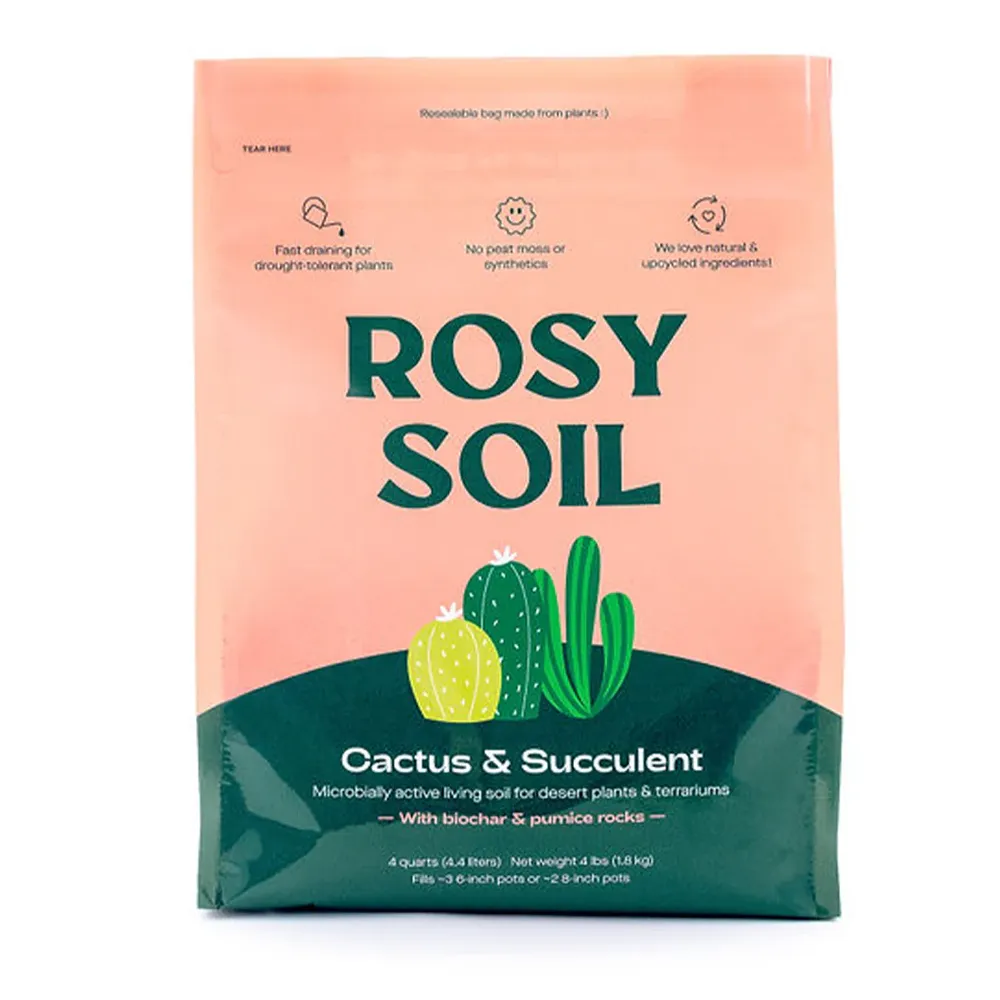
Cactus and Succulent Potting Mix - Fast-Draining Soil Blend for Indoor Plants
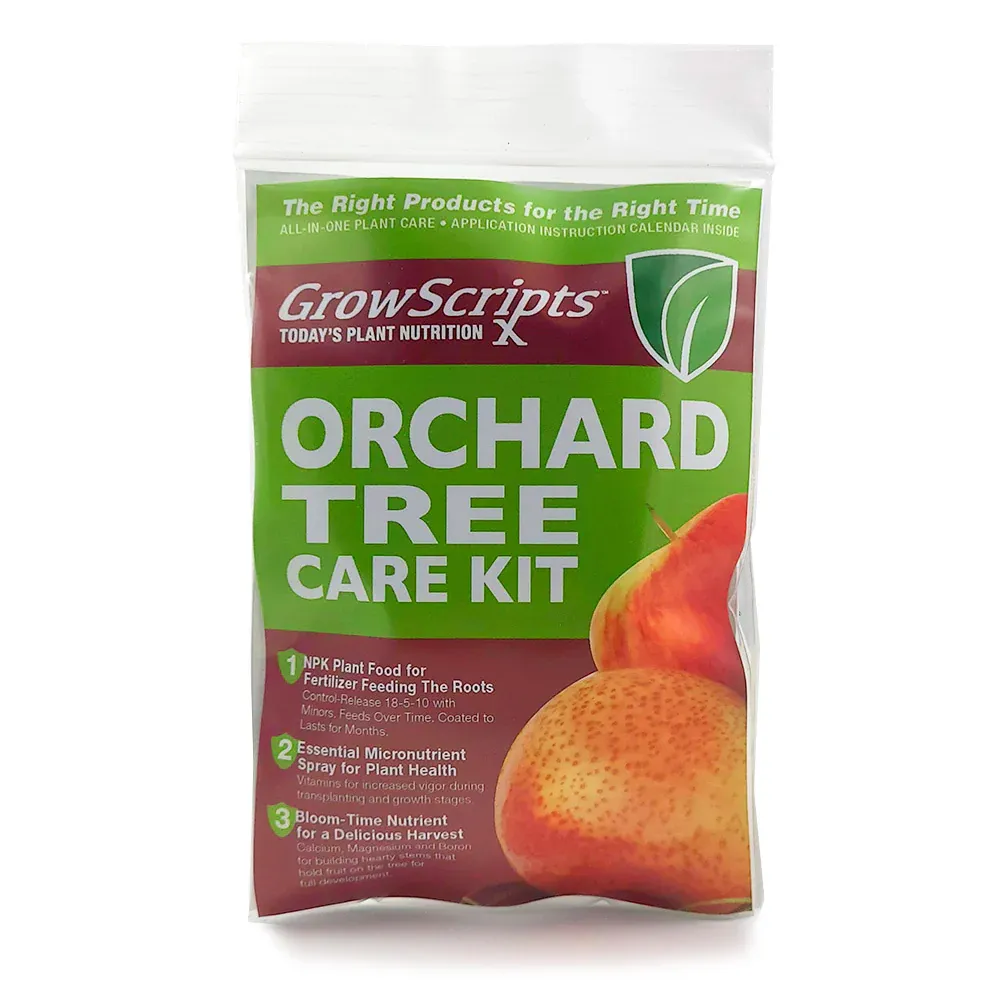
Orchard Tree Care Kit for Fruit Tree Growth and Maintenance
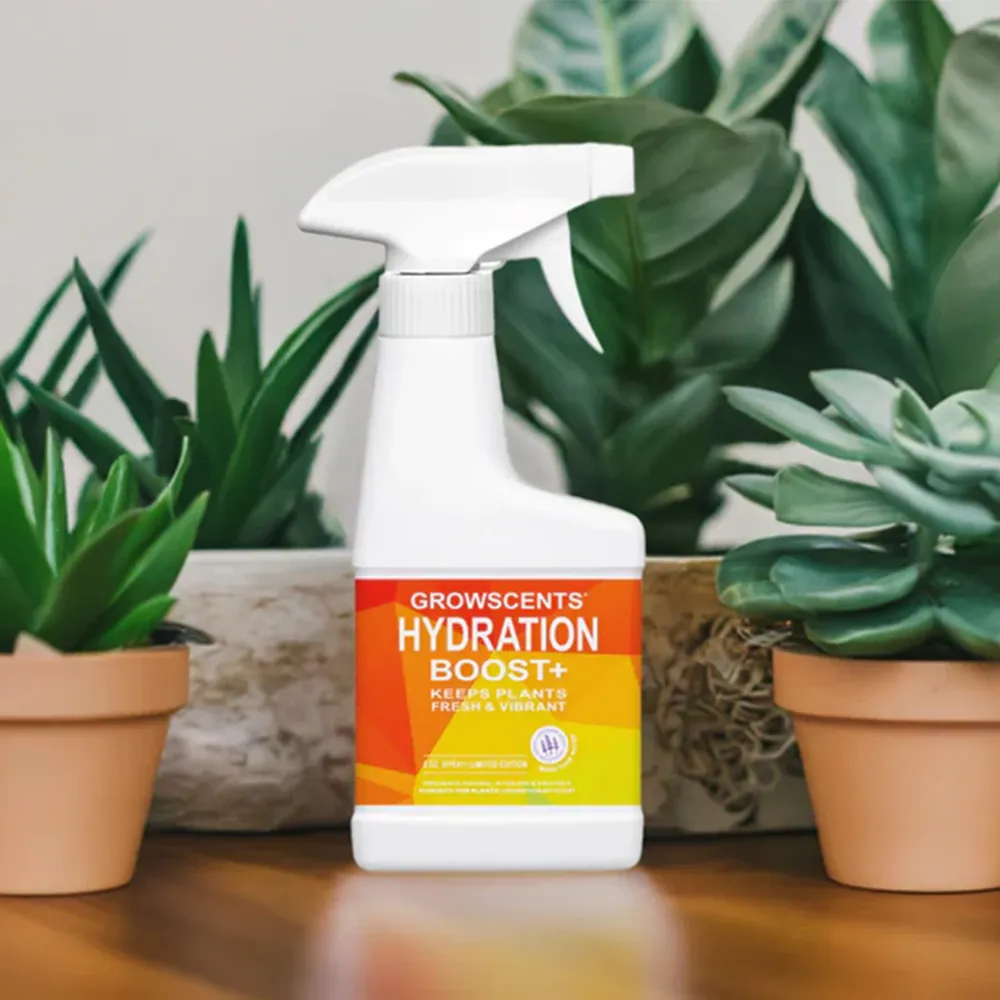
Hydration Boost + Electrolyte Supplement Powder for Daily Hydration Support
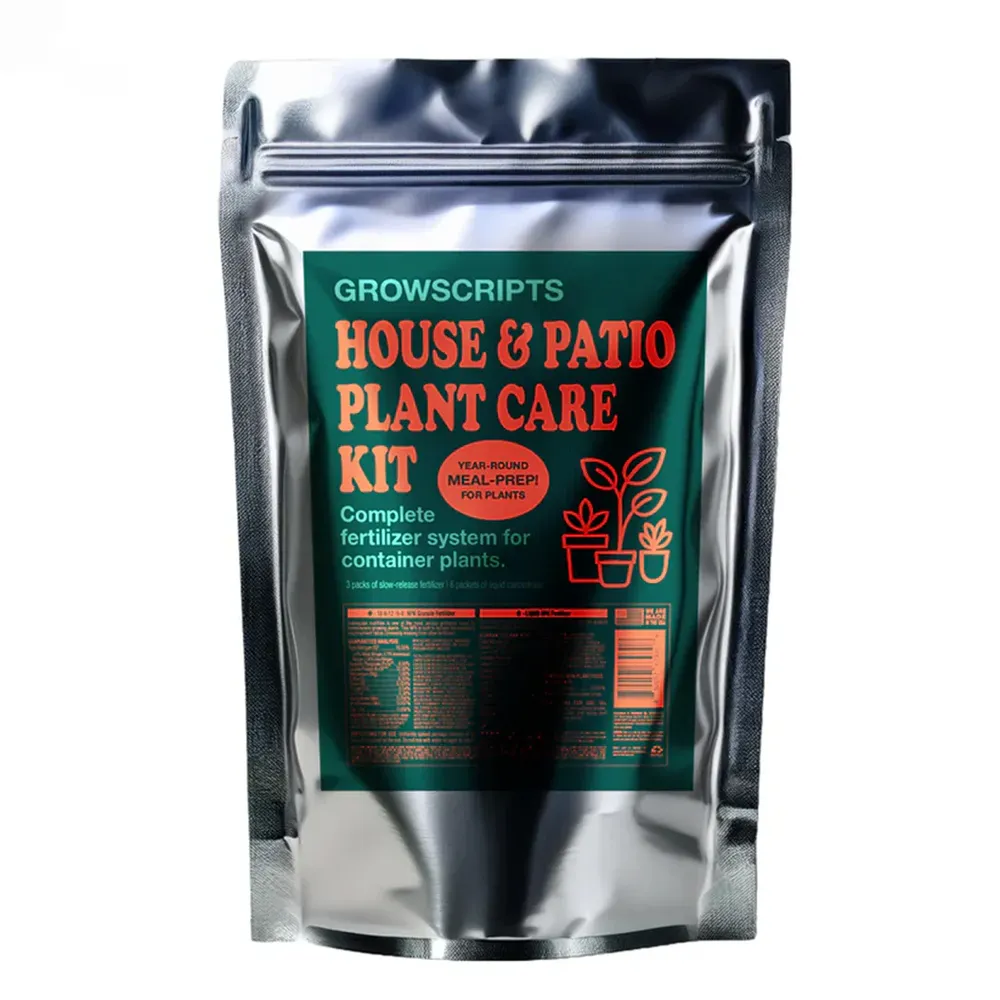
House and Patio Plant Care Kit - Comprehensive Indoor and Outdoor Fertilizer Set
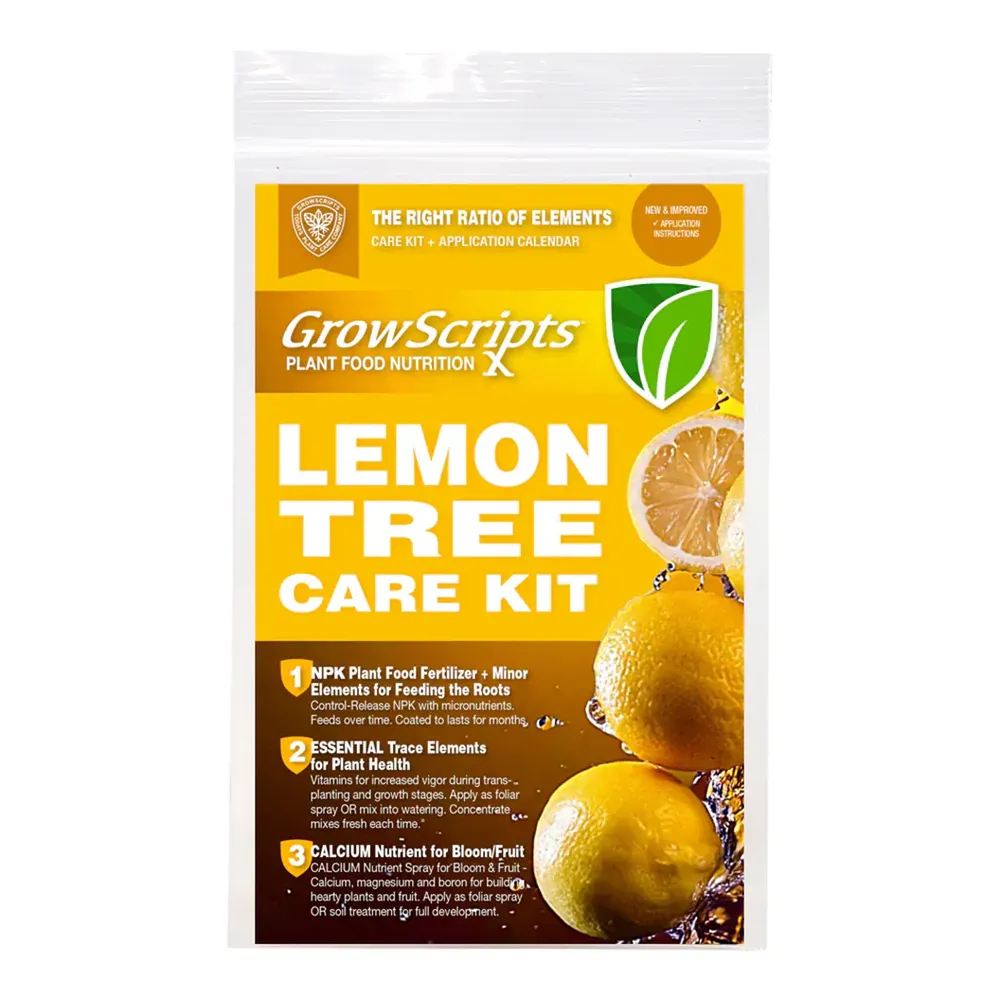
Citrus Tree Care and Maintenance Kit for Lemon and Fruit Trees