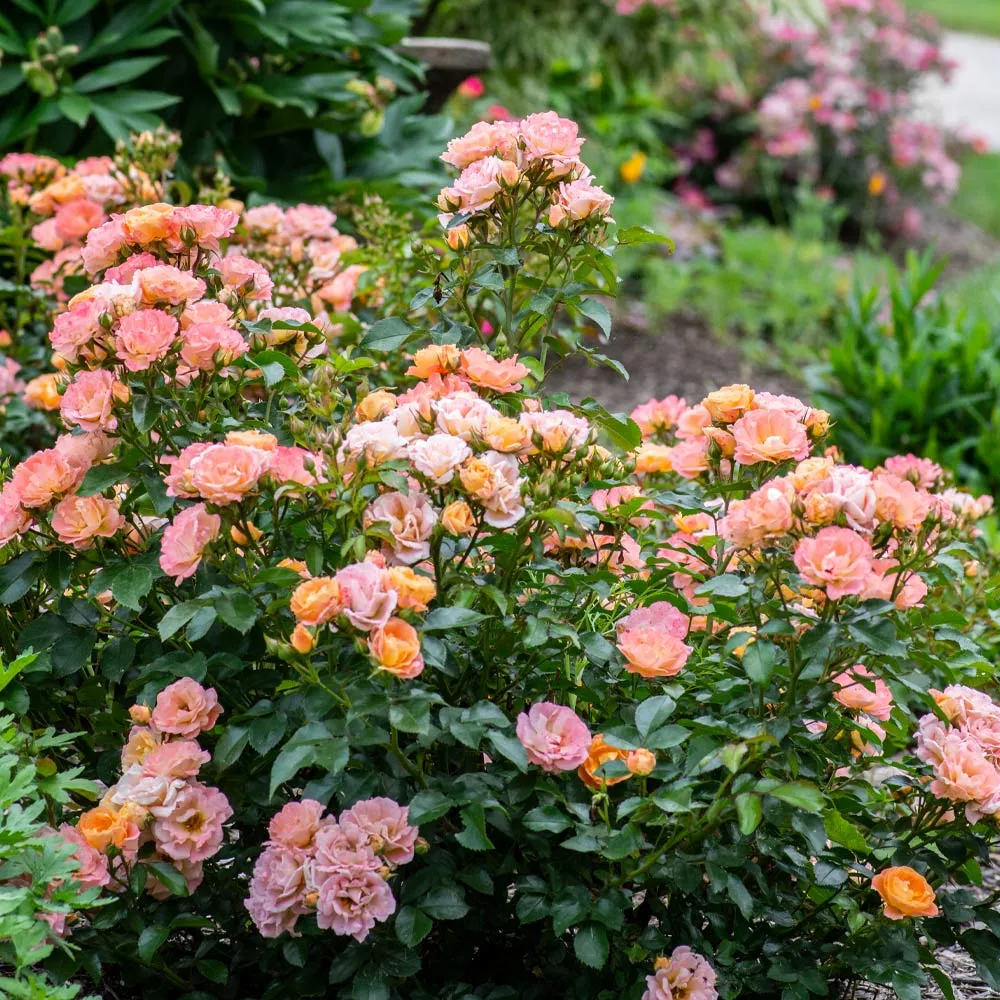
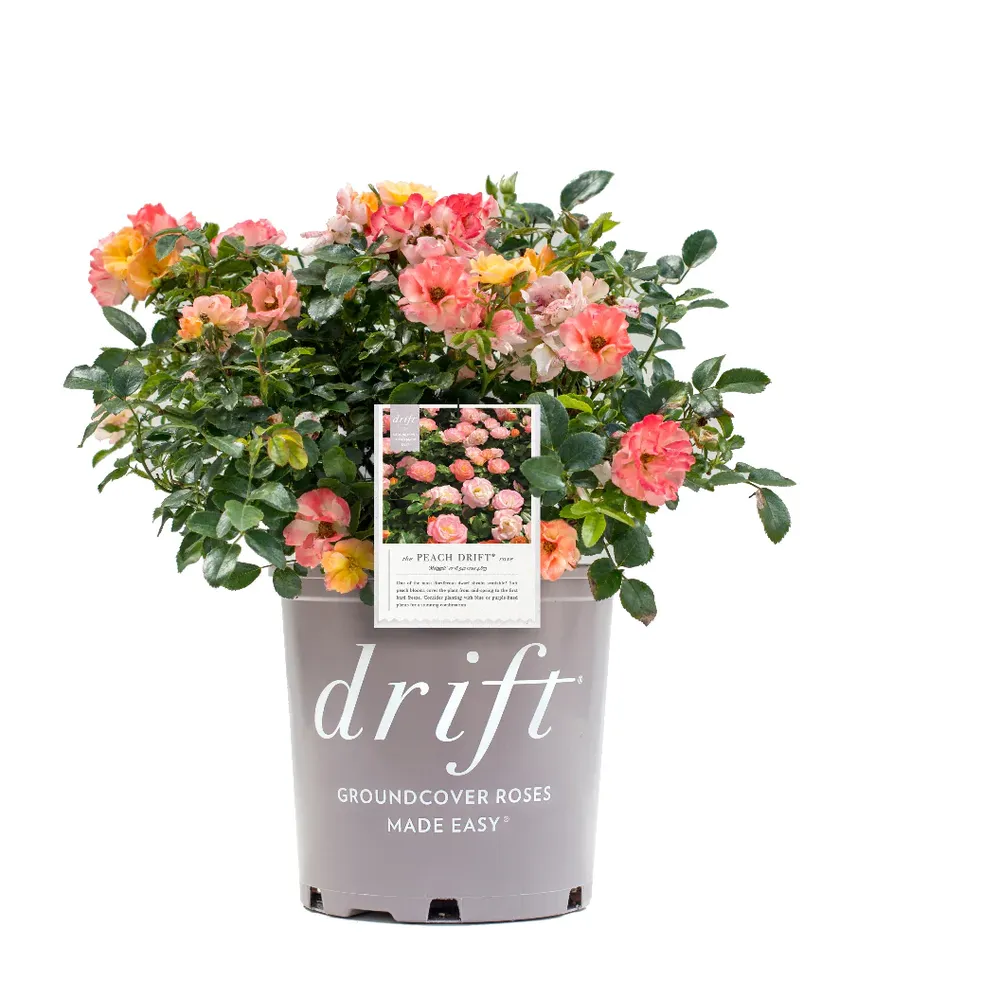

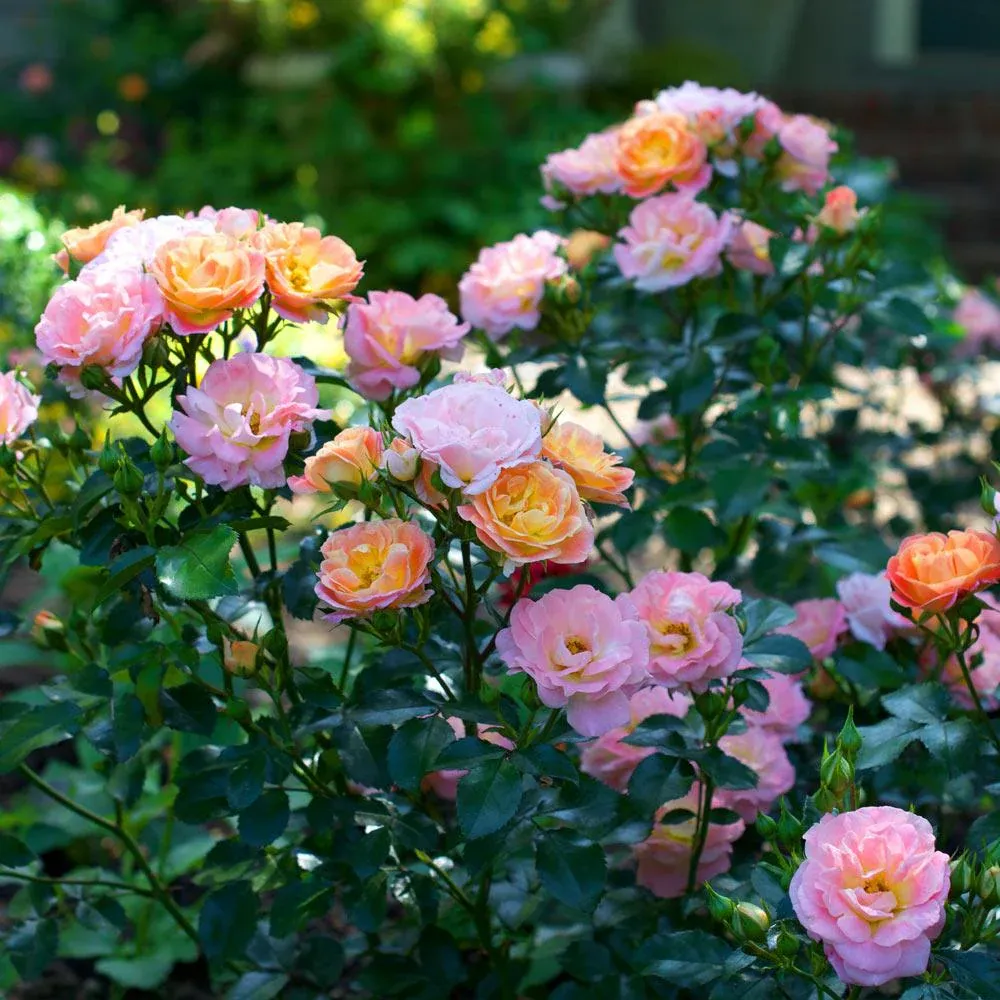
Peach Drift® Rose - Continuous Blooming Groundcover Shrub
$68.95
$165.90
- Continuous flowering cycle from spring through the first frost.
- Compact, spreading growth habit suitable for borders and containers.
- High natural resistance to common fungal diseases and foliage spots.
- Low-maintenance requirements with minimal pruning needed to maintain shape.
- Cold hardy variety suitable for multiple USDA planting zones.
Size: 3 gallon
Quantity: Single
Peach Drift® Rose: A Reliable Landscape Solution
The Peach Drift® Rose is a specialized groundcover shrub designed for consistent performance in residential and commercial landscapes. This variety is recognized for its ability to produce soft peach-colored blossoms repeatedly throughout the growing season, starting in spring and persisting until the arrival of the first frost.
Growth Characteristics and Maintenance
Unlike traditional rose varieties that require intensive care, this shrub is developed for ease of maintenance. Its compact, spreading habit makes it an effective choice for groundcover applications, mass plantings, or container gardening. The plant maintains a manageable size, reducing the frequency of pruning required to keep the landscape neat.
Disease Resistance and Hardiness
A primary feature of this variety is its inherent resistance to common rose ailments, including black spot and powdery mildew. This biological trait allows the plant to maintain healthy foliage throughout the season without the necessity for frequent chemical interventions. It is engineered to withstand various environmental stressors, making it a stable addition to diverse garden settings.
Planting and Care Recommendations
- Sun Exposure: Requires full sun (at least 6 hours of direct light daily) for optimal bloom production.
- Watering: Consistent moisture is recommended during the establishment phase; established plants show moderate drought tolerance.
- Soil Requirements: Thrives in well-draining soil enriched with organic matter.
- Pruning: Minimal pruning is required; removing spent blooms can encourage further flowering cycles.
You May Also Like

Jobe's Rose Fertilizer Spikes - Slow-Release Nutrient Delivery System
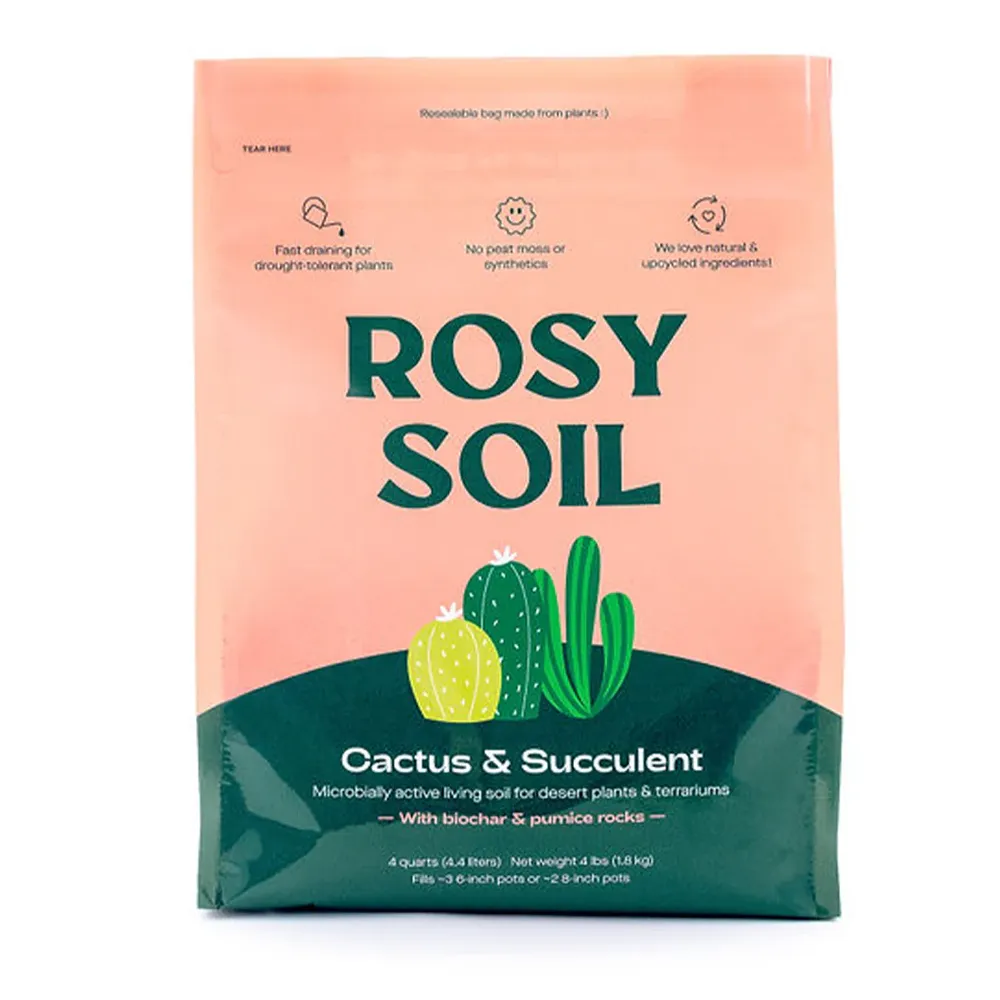
Cactus and Succulent Potting Mix - Fast-Draining Soil Blend for Indoor Plants
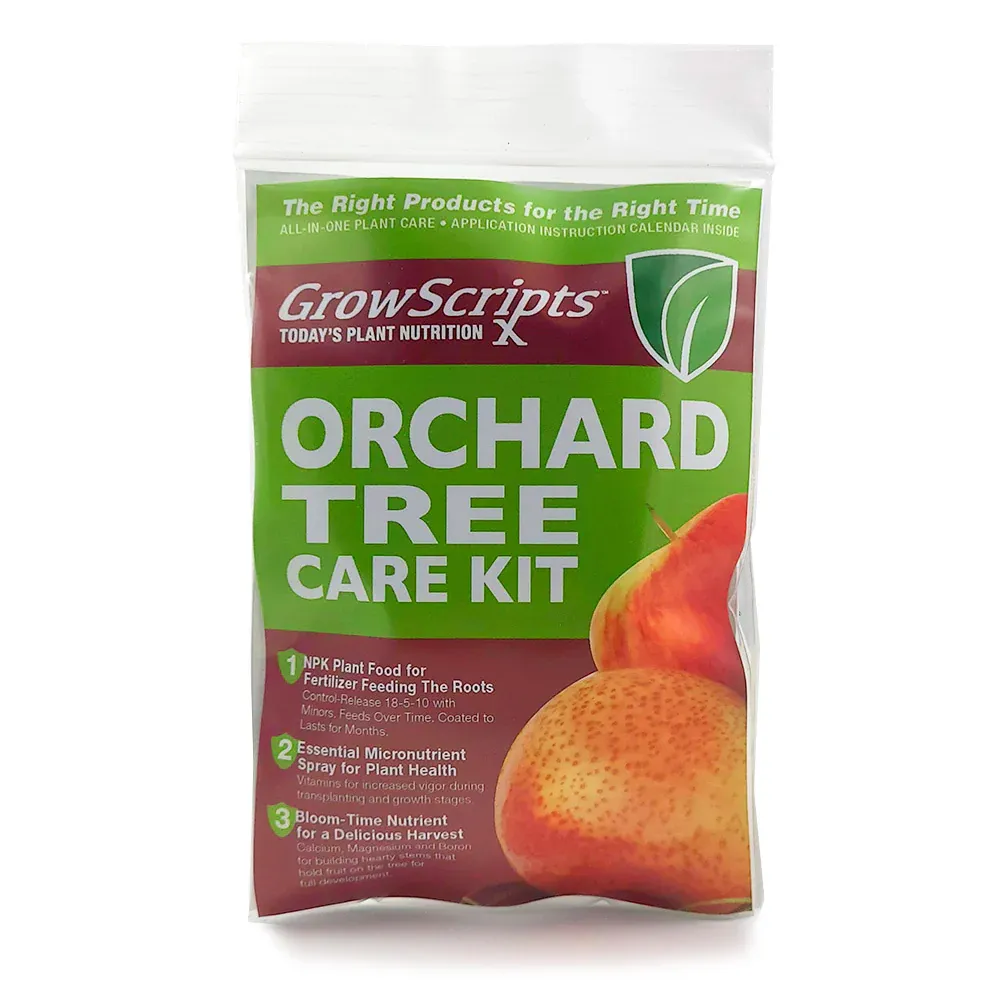
Orchard Tree Care Kit for Fruit Tree Growth and Maintenance

Hydration Boost + Electrolyte Supplement Powder for Daily Hydration Support
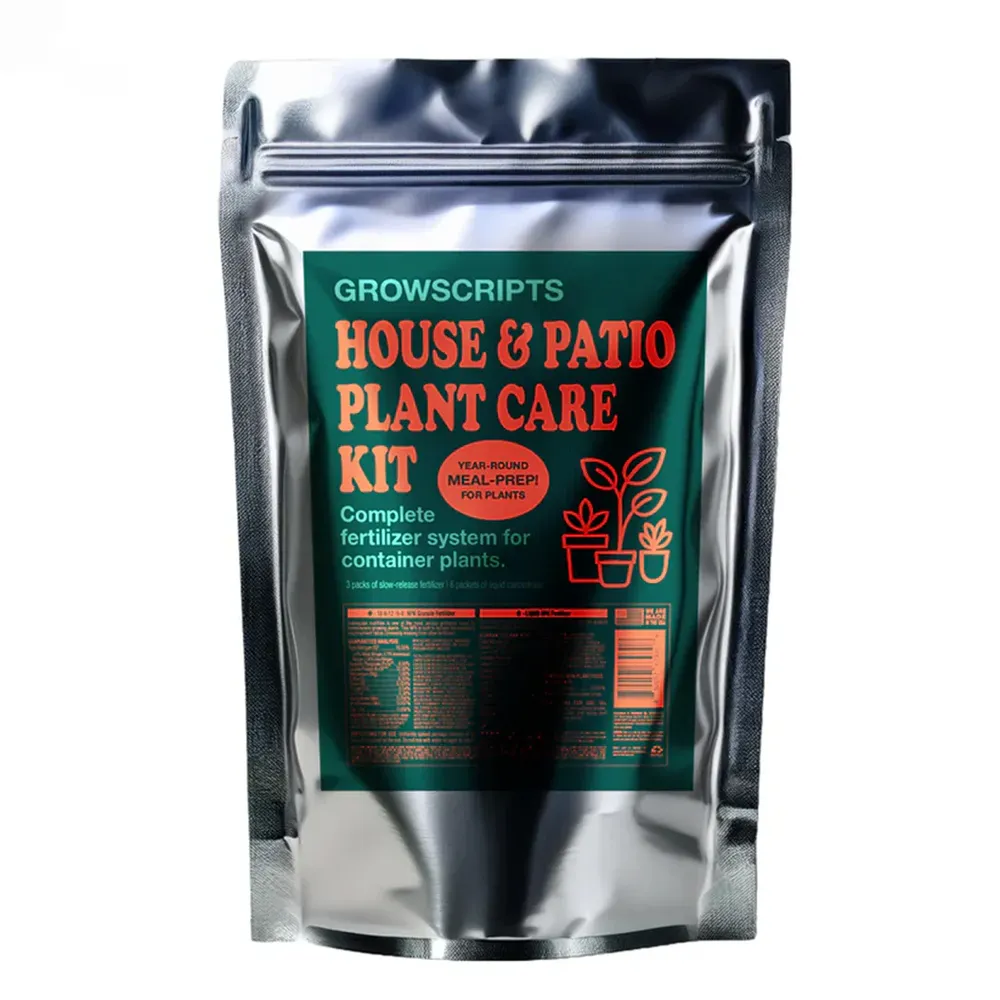
House and Patio Plant Care Kit - Comprehensive Indoor and Outdoor Fertilizer Set

Citrus Tree Care and Maintenance Kit for Lemon and Fruit Trees