Orangeola Weeping Japanese Maple Tree - Acer palmatum Dissectum
$9.00
$20.00
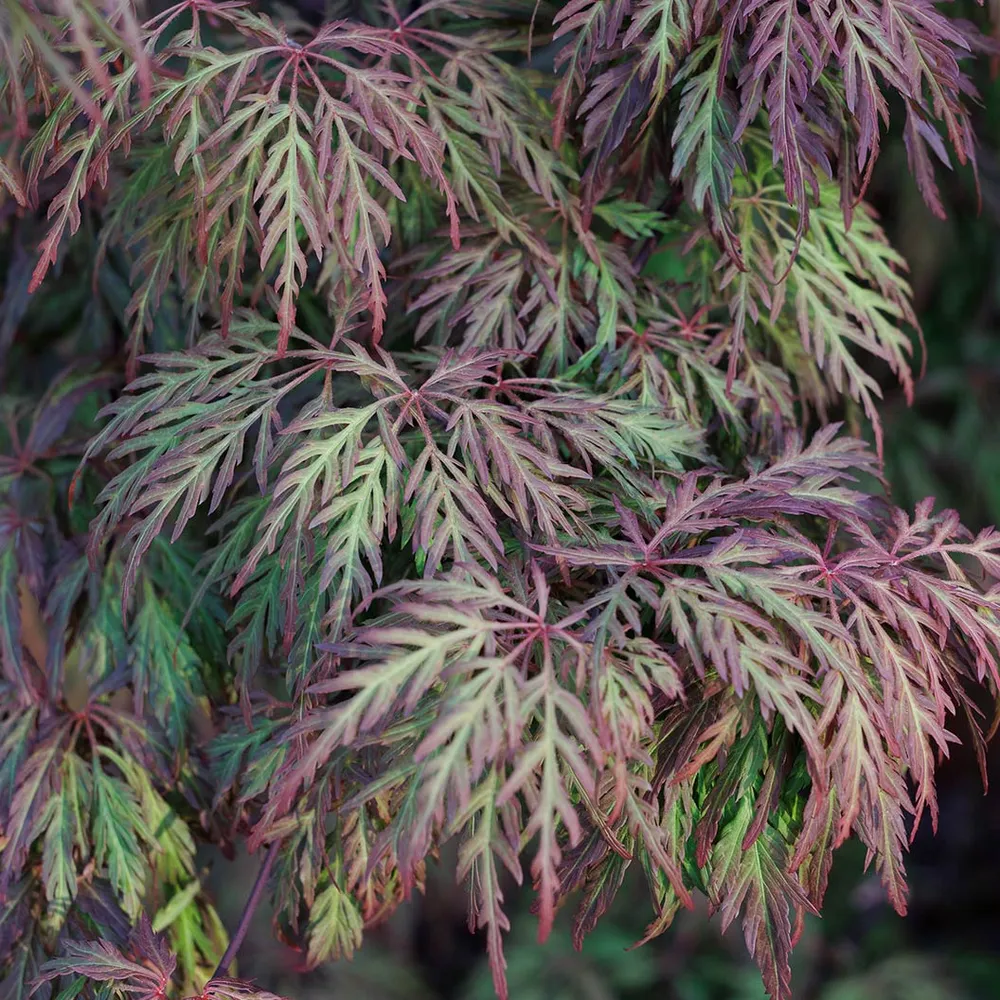
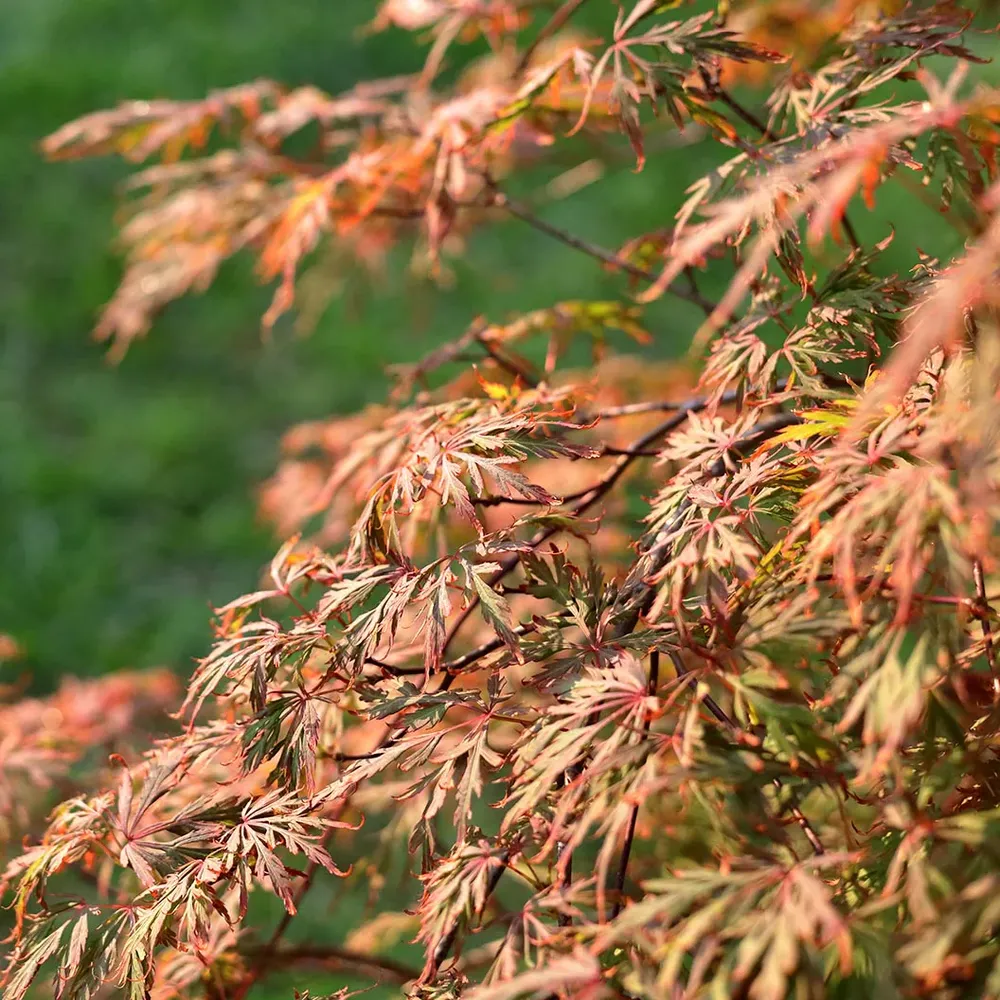
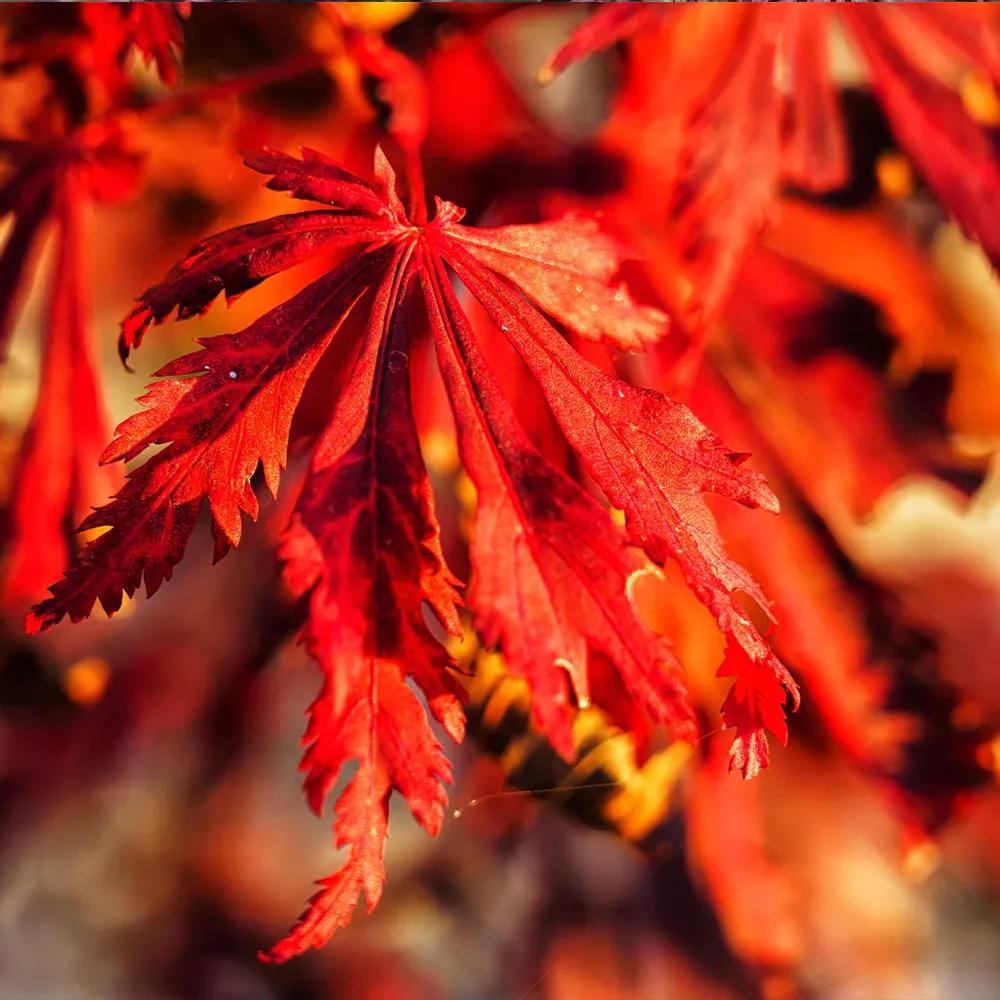
- Features cascading, lace-like foliage with seasonal color shifts from orange-red to bronze-green.
- Displays a weeping, mounded growth habit suitable for small garden spaces and container planting.
- Demonstrates moderate growth rate, reaching a mature height of 6 to 8 feet.
- Thrives in partial shade conditions, protecting delicate leaves from intense afternoon sun.
Exquisite Ornamental Foliage for Your Landscape
The Orangeola Weeping Japanese Maple is a distinguished cultivar of Acer palmatum Dissectum, recognized for its delicate, deeply lobed leaves and graceful, cascading branches. This tree serves as a focal point in residential gardens, offering a dynamic visual display that evolves throughout the growing season.
Seasonal Color Transformation
The foliage emerges in spring with a vibrant orange-red hue, providing a striking contrast to early-season greenery. As the season progresses into summer, the leaves transition to a bronze-green, eventually deepening to rich shades of orange and red during the autumn months. This color progression ensures year-round visual interest in the landscape.
Growth and Maintenance Considerations
To maintain the health and aesthetic appeal of the Orangeola, consider the following environmental factors:
- Light Exposure: This cultivar performs optimally in partial shade. Exposure to direct, intense afternoon sunlight may lead to leaf scorch; therefore, planting in a location with filtered light is recommended.
- Soil Requirements: The tree requires well-draining, slightly acidic soil. Consistent moisture is necessary, particularly during the establishment phase, though soil should not remain waterlogged to prevent root health issues.
- Growth Habit: With a naturally weeping and mounded form, this tree is well-suited for placement near water features, rock gardens, or as a container specimen. Its moderate growth rate allows for manageable maintenance in smaller landscape footprints.
You May Also Like

Jobe's Rose Fertilizer Spikes - Slow-Release Nutrient Delivery System
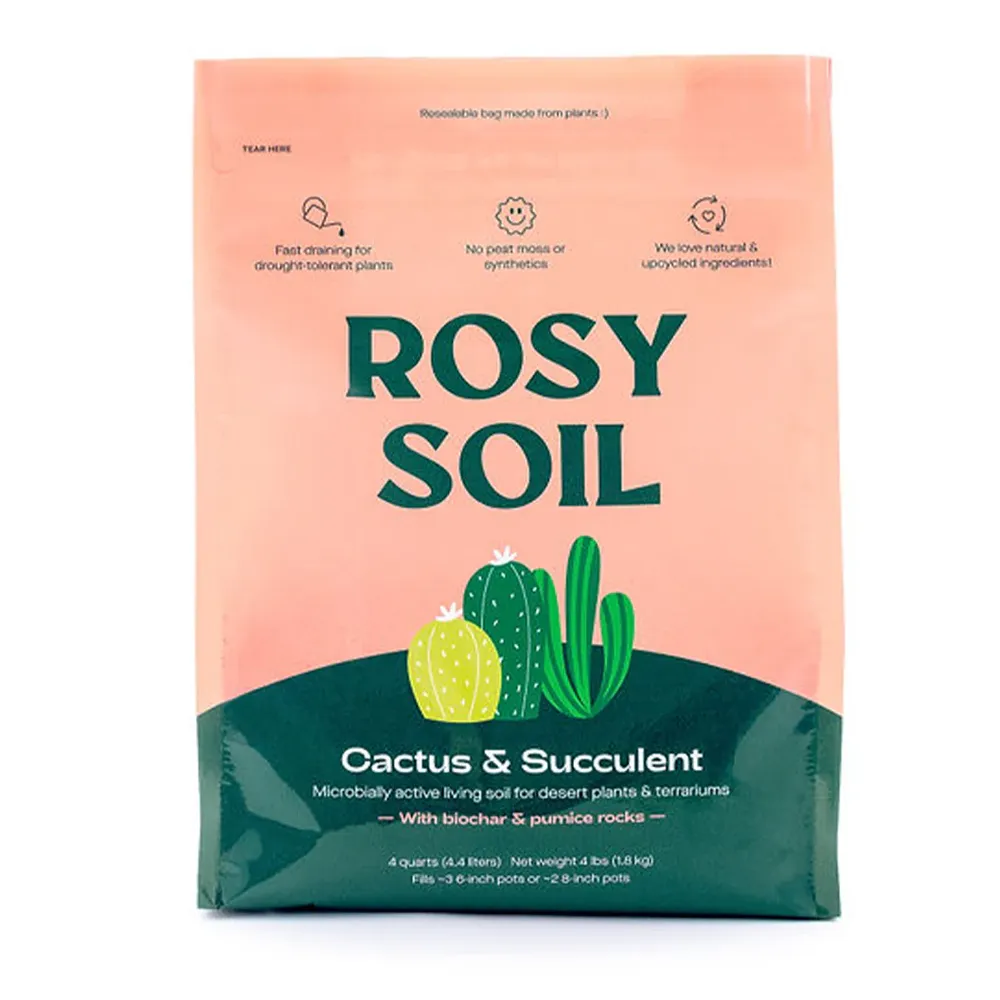
Cactus and Succulent Potting Mix - Fast-Draining Soil Blend for Indoor Plants

Orchard Tree Care Kit for Fruit Tree Growth and Maintenance

Hydration Boost + Electrolyte Supplement Powder for Daily Hydration Support
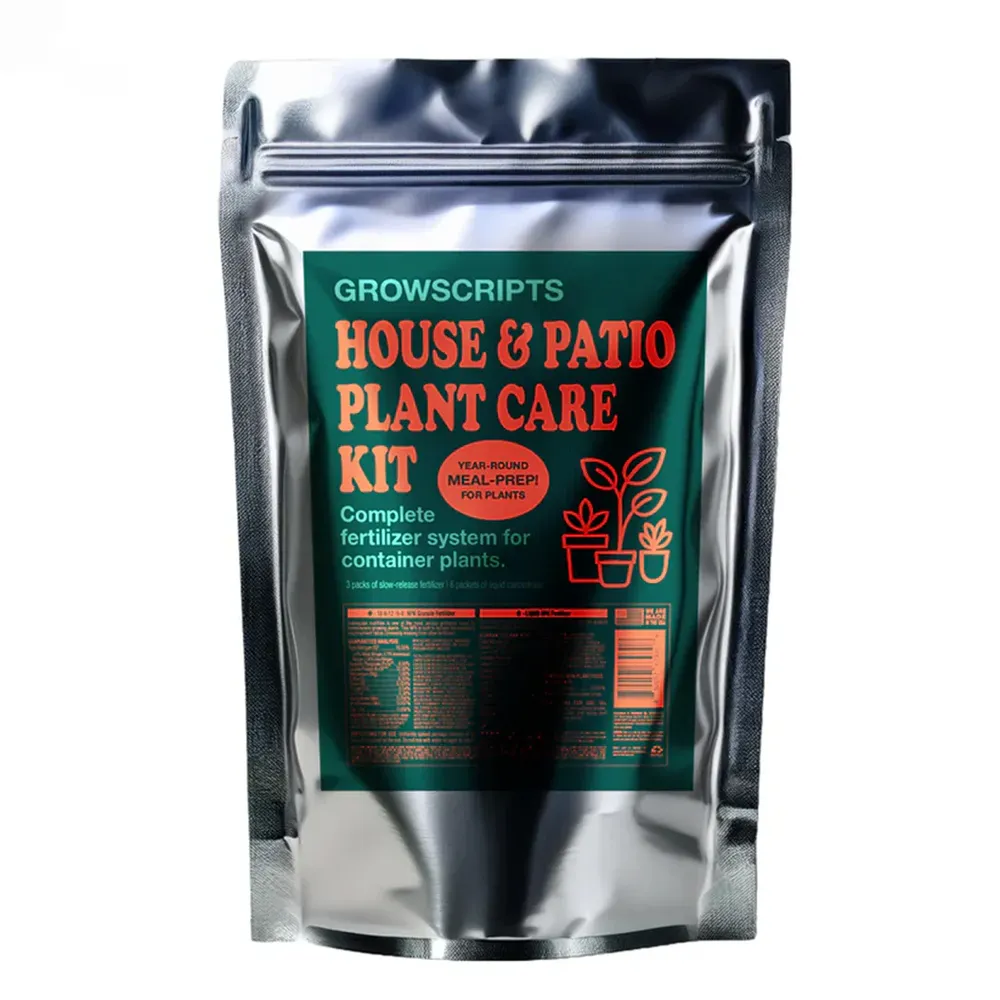
House and Patio Plant Care Kit - Comprehensive Indoor and Outdoor Fertilizer Set

Citrus Tree Care and Maintenance Kit for Lemon and Fruit Trees