New Harmony American Elm Tree - Disease-Resistant Shade Tree
$216.95
$240.95
- Cultivar of Ulmus americana selected for high resistance to Dutch Elm Disease.
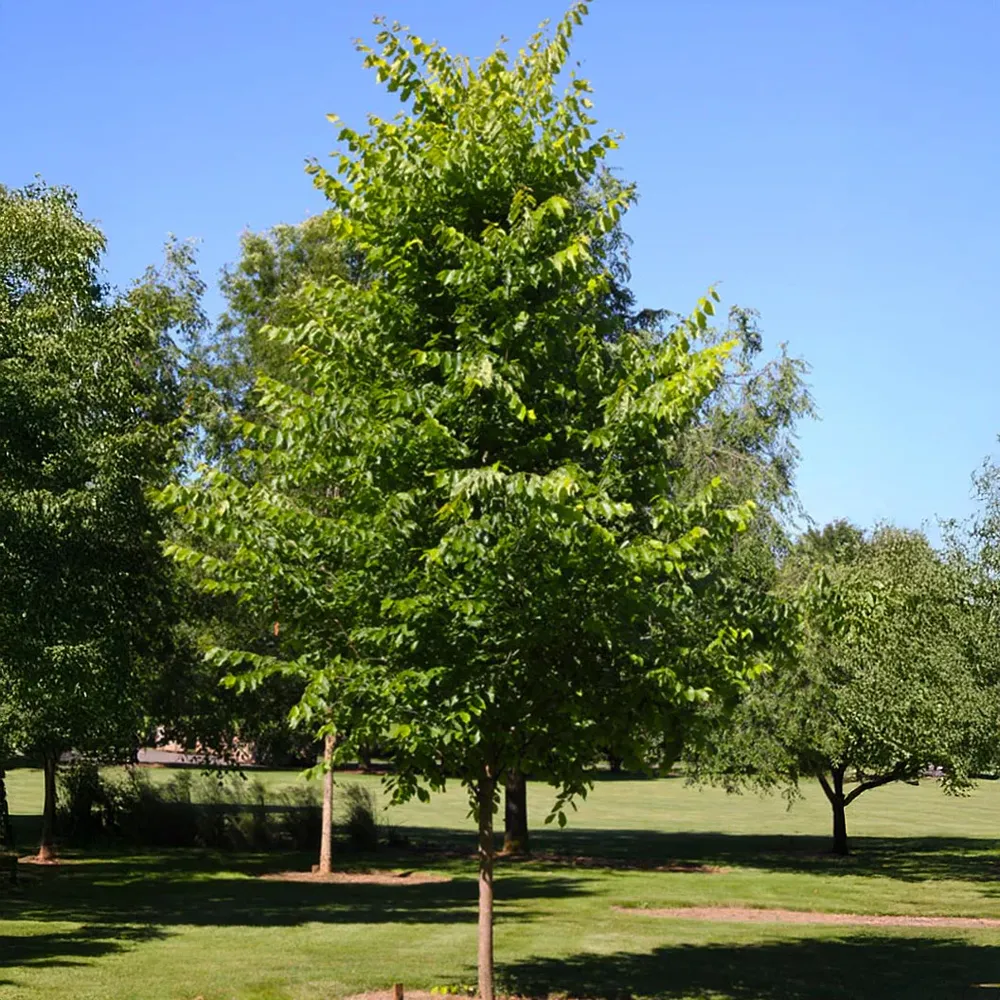
- Features a classic vase-shaped growth habit suitable for urban and residential landscapes.
- Exhibits rapid growth rates and strong branch structure under proper maintenance.
- Adaptable to a wide range of soil conditions and environmental exposures.
Size: 6-7 ft.
Overview of the New Harmony American Elm
The New Harmony American Elm is a selected cultivar of the native Ulmus americana, specifically developed for its structural characteristics and improved resilience. This tree is widely recognized for its iconic vase-shaped canopy, which provides significant shade and aesthetic value to residential and public landscapes.
Resilience and Growth Characteristics
This variety has been cultivated to address common concerns regarding the health of native elm species. It demonstrates a notable capacity to withstand environmental stressors, making it a reliable choice for long-term landscape planning. The tree maintains a consistent growth pattern, developing a strong central leader and symmetrical branching that requires minimal structural intervention as it matures.
Landscape Integration
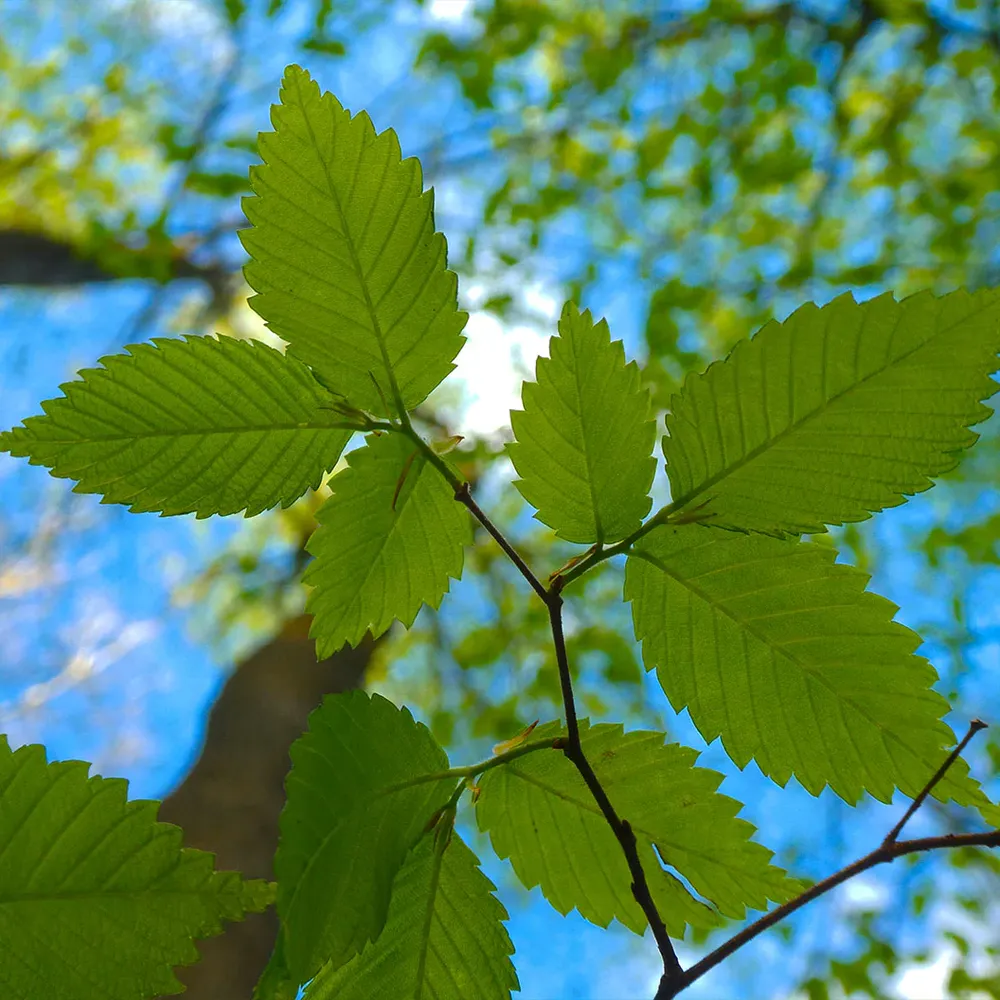
Designed for versatility, the New Harmony American Elm thrives in various soil types, ranging from moist, well-drained loam to heavier clay soils. Its root system is robust, allowing for successful establishment in diverse planting sites. The foliage is characterized by its deep green color and serrated margins, turning a consistent yellow in the autumn season.
Maintenance and Care
- Pruning: Periodic structural pruning during the dormant season is recommended to maintain the desired vase shape and remove crossing branches.
- Watering: Regular irrigation is essential during the first two growing seasons to ensure deep root development.
- Soil Requirements: Performs optimally in sites with adequate drainage, though it exhibits tolerance for periodic soil moisture fluctuations.
You May Also Like
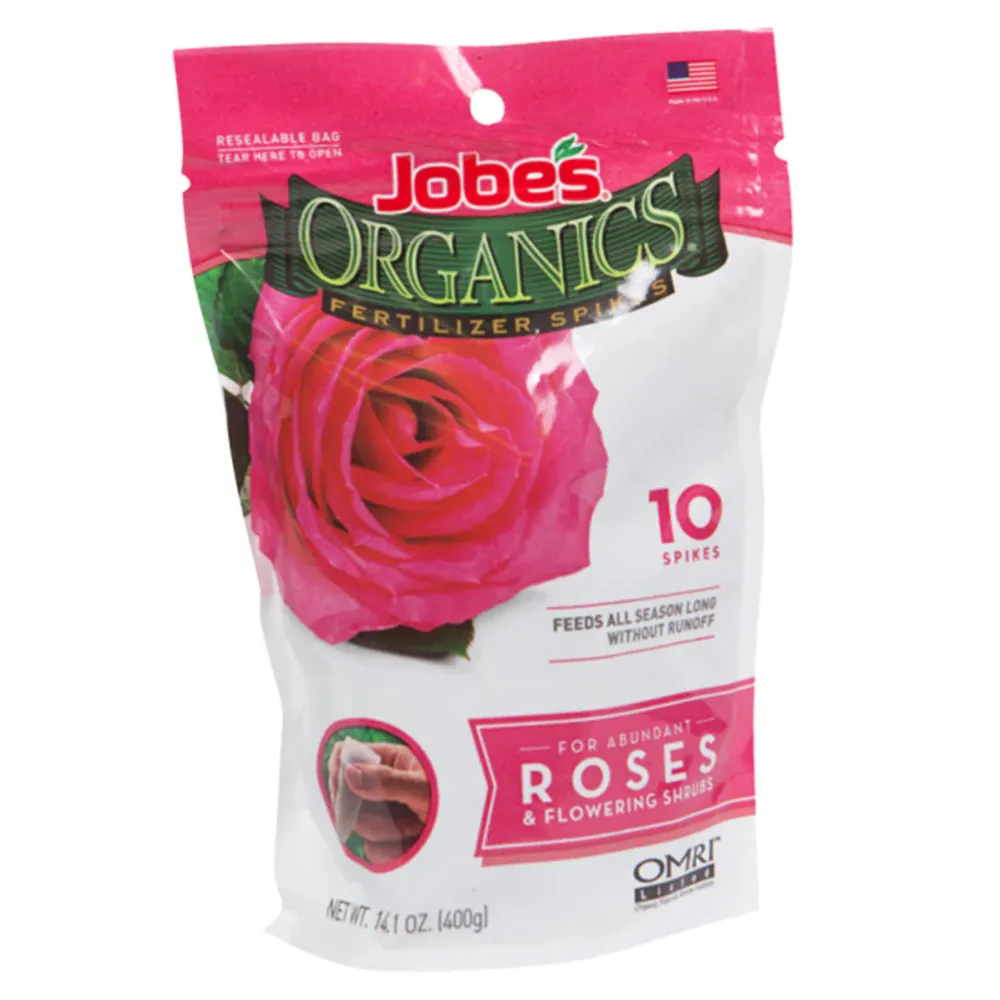
Jobe's Rose Fertilizer Spikes - Slow-Release Nutrient Delivery System
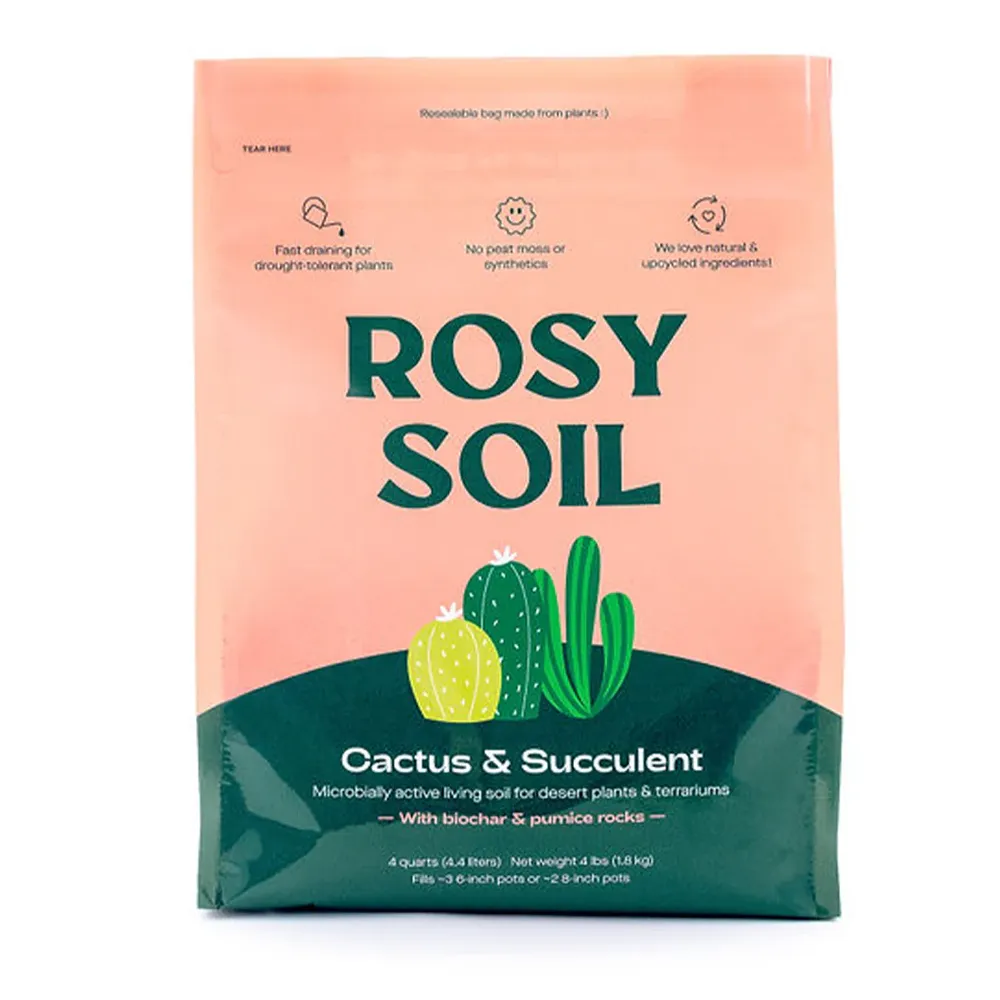
Cactus and Succulent Potting Mix - Fast-Draining Soil Blend for Indoor Plants
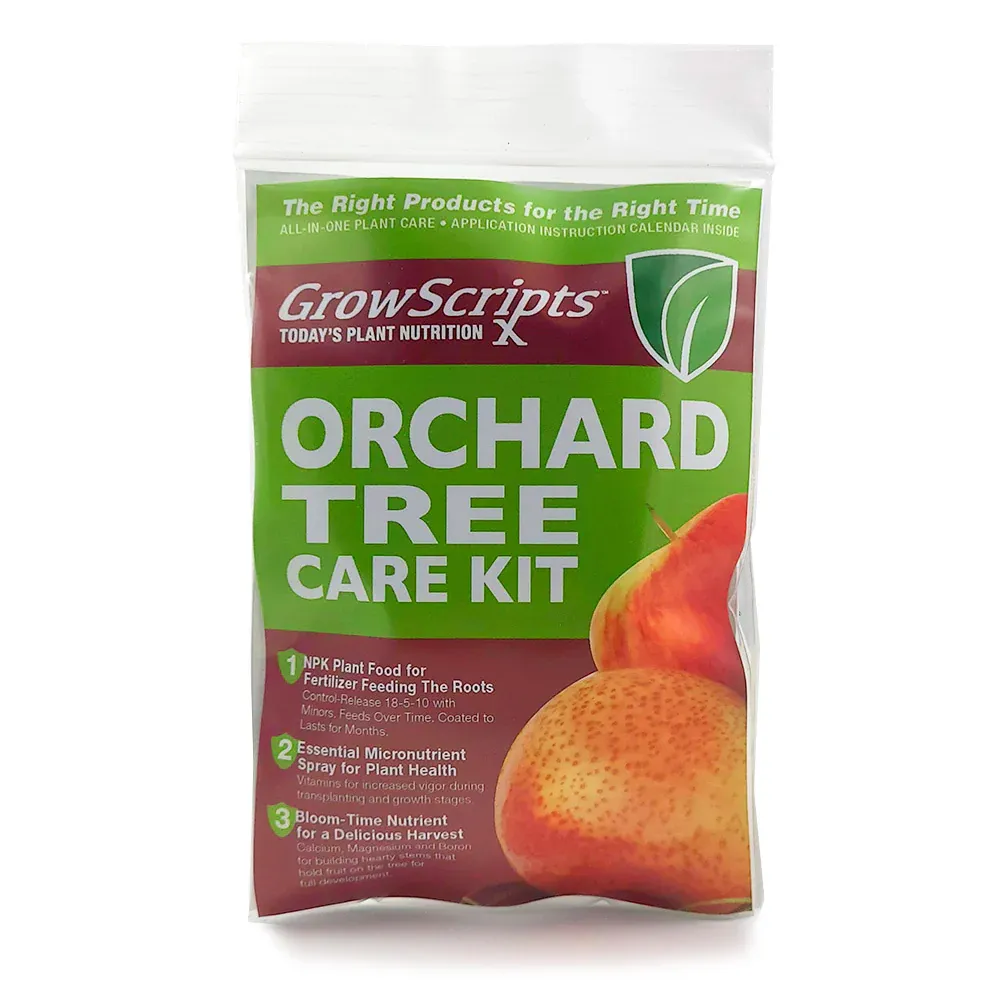
Orchard Tree Care Kit for Fruit Tree Growth and Maintenance
Hydration Boost + Electrolyte Supplement Powder for Daily Hydration Support
House and Patio Plant Care Kit - Comprehensive Indoor and Outdoor Fertilizer Set
Citrus Tree Care and Maintenance Kit for Lemon and Fruit Trees