
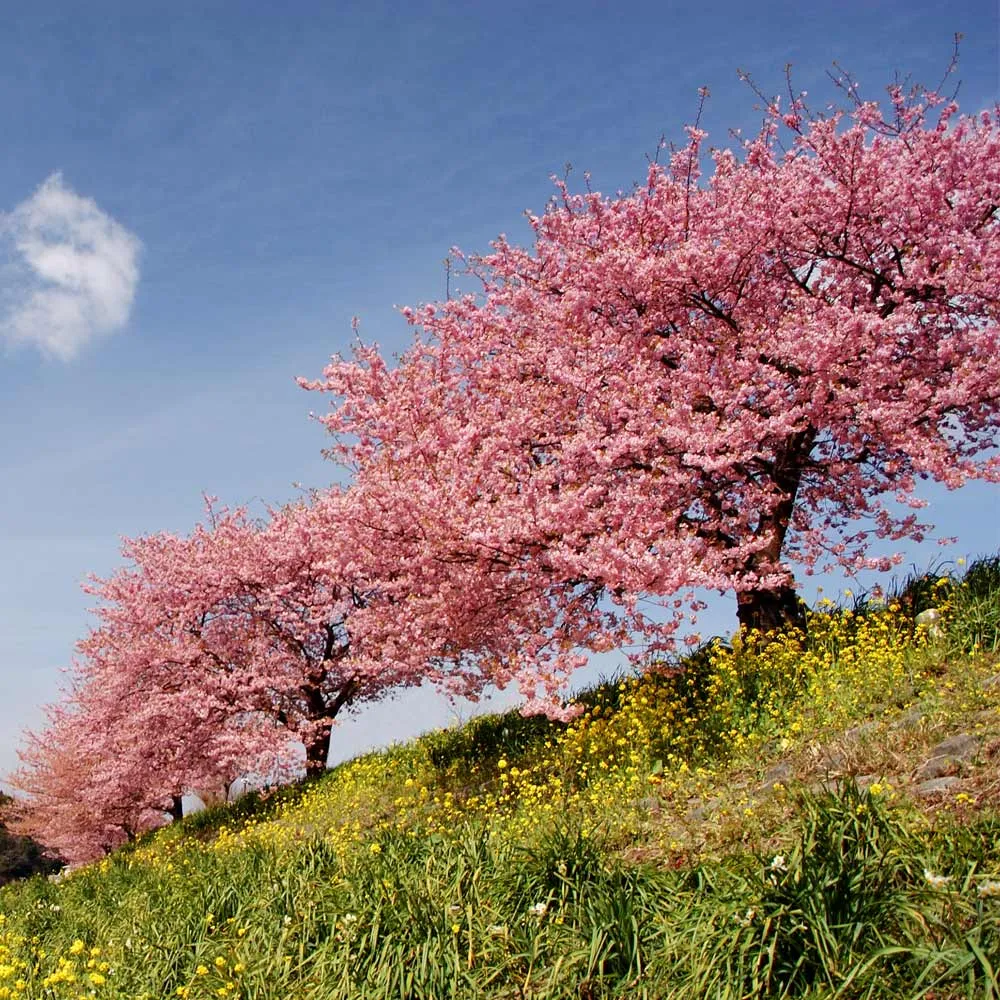
Kwanzan Cherry Tree (Prunus serrulata 'Kwanzan') - Ornamental Flowering Tree
$93.95
$104.95
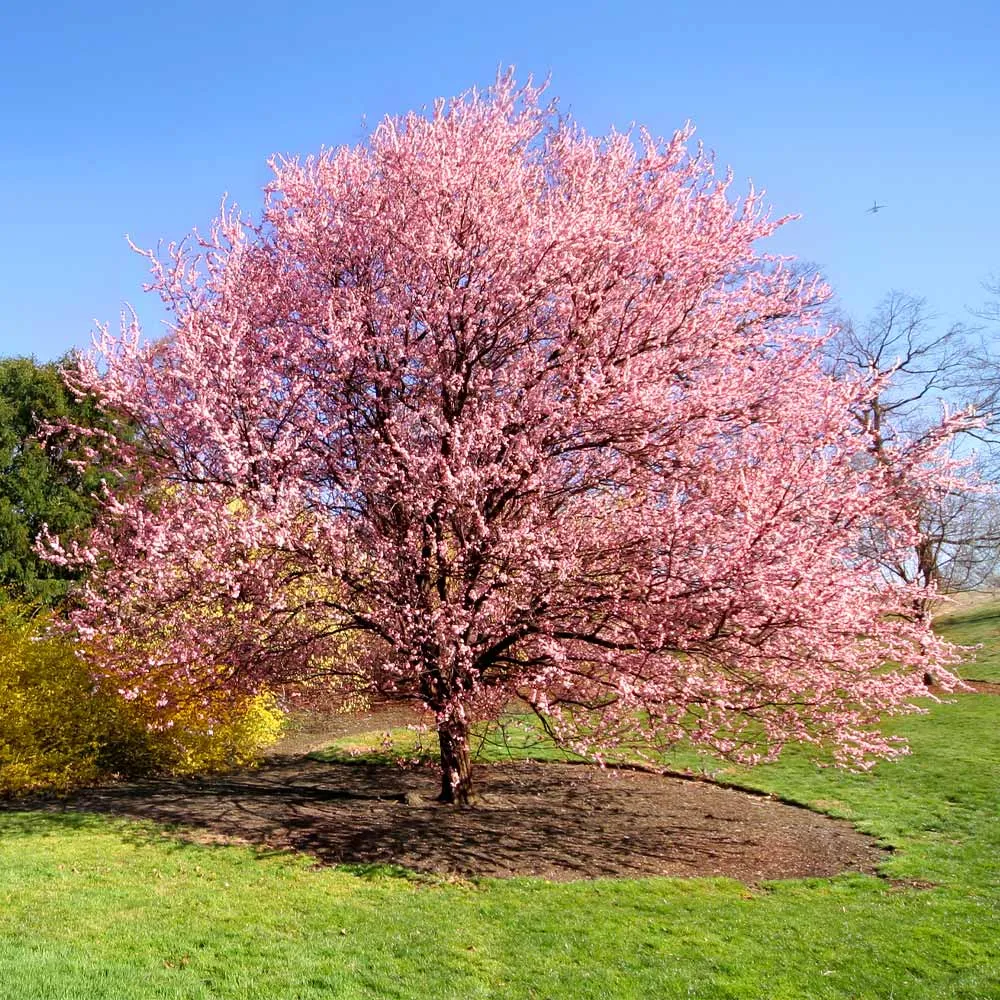
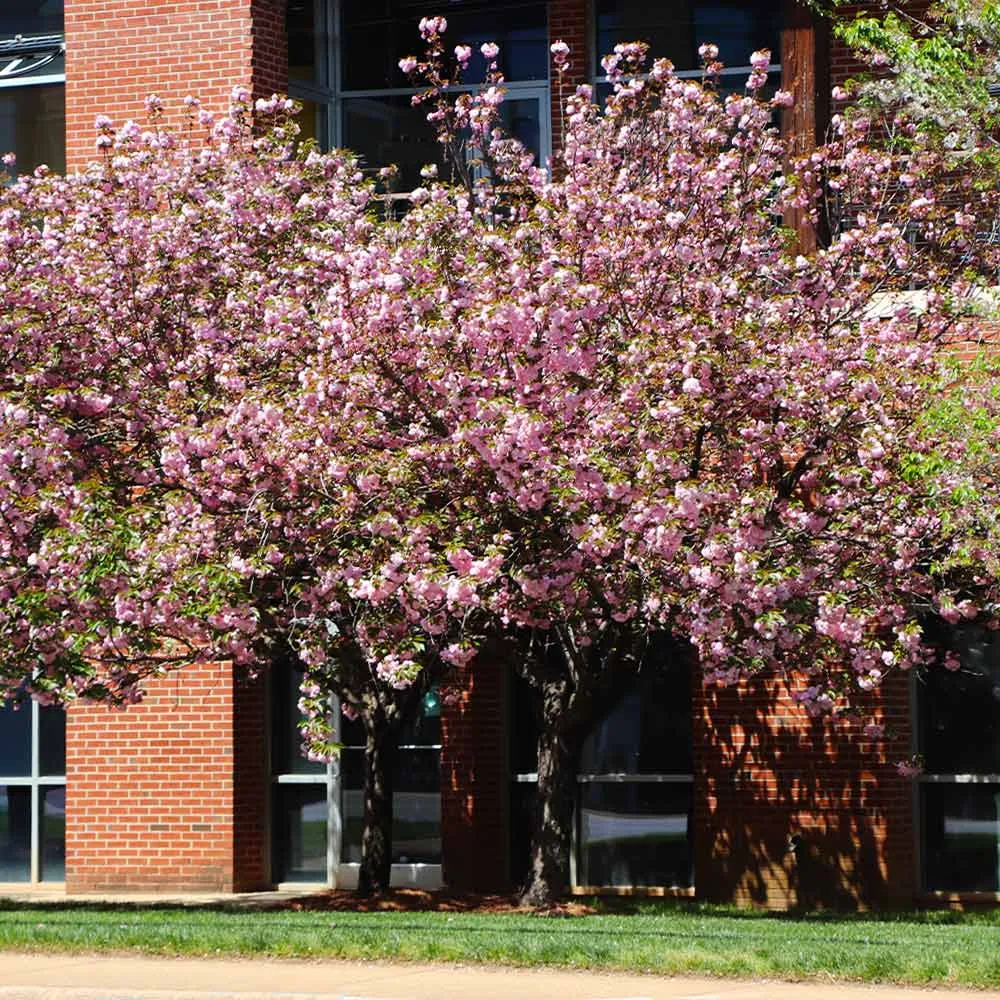
- Features dense clusters of double-pink, rose-like blossoms in mid-to-late spring.
- Displays a distinct upright, vase-shaped growth habit suitable for ornamental landscaping.
- Provides vibrant bronze-to-copper foliage in spring, transitioning to deep green in summer.
- Exhibits reliable cold hardiness across USDA zones 5 through 9.
Size: 3-4 feet
Exquisite Ornamental Kwanzan Cherry Tree
The Kwanzan Cherry Tree (Prunus serrulata 'Kwanzan') is a deciduous ornamental tree recognized for its dramatic spring display. Characterized by its upright, vase-shaped branching structure, this tree serves as a focal point in residential landscapes and garden settings. Its growth habit remains consistent, providing a structured silhouette even after the flowering season concludes.
Seasonal Characteristics and Growth
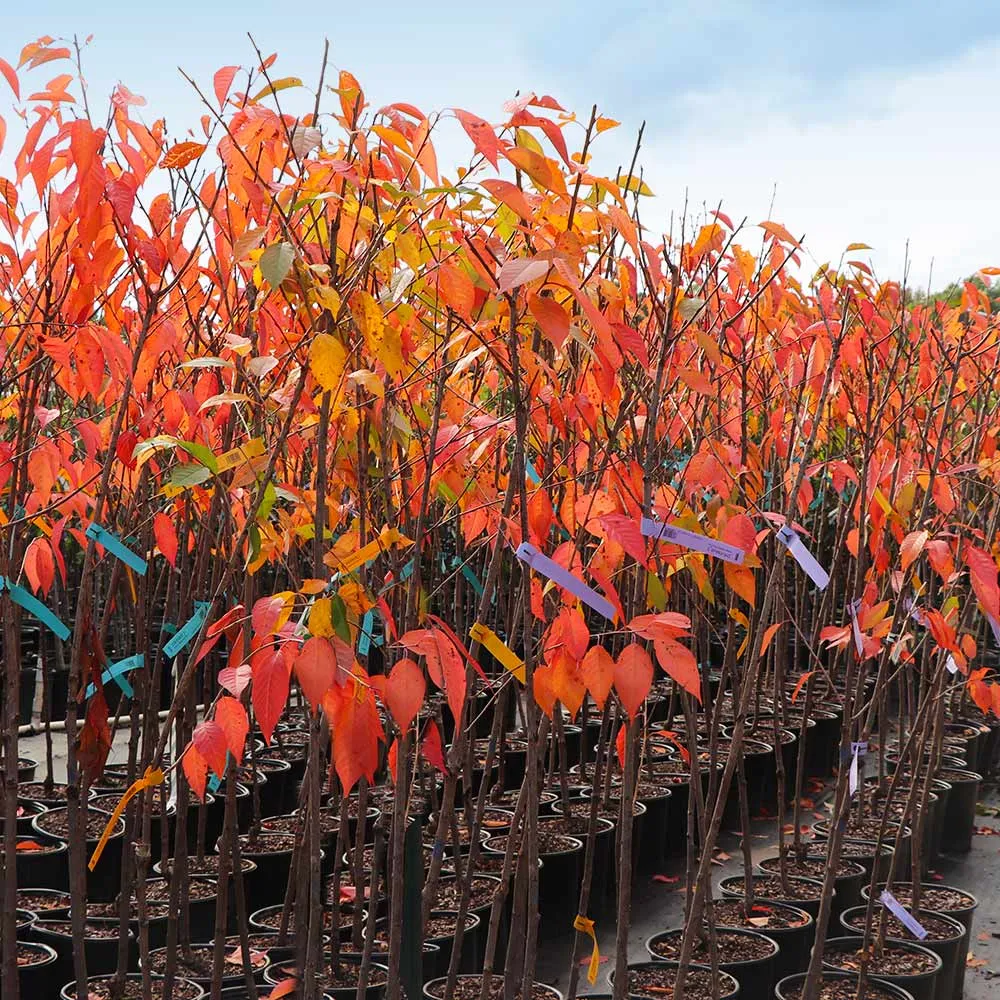
This variety is noted for its mid-to-late spring bloom, producing large, double-pink flowers that grow in pendulous clusters. Unlike single-flowering varieties, the Kwanzan offers a fuller, more textured appearance during its peak bloom. Following the flowering period, the tree produces bronze-toned foliage that matures into a rich, dark green throughout the summer months, eventually turning yellow or bronze in the autumn.
Planting and Maintenance Guidelines
- Light Requirements: Thrives in full sun exposure to ensure optimal flower bud development and foliage density.
- Soil Conditions: Prefers well-draining, fertile soil. Proper soil preparation is essential to prevent moisture retention that can impact root health.
- Watering: Requires consistent moisture, particularly during the first two growing seasons, to establish a robust root system.
- Hardiness: Adapted to a wide range of climates, specifically thriving in USDA hardiness zones 5-9.
- Pruning: Minimal pruning is required; however, removing dead or crossing branches during the dormant season helps maintain the tree's natural vase shape.
You May Also Like
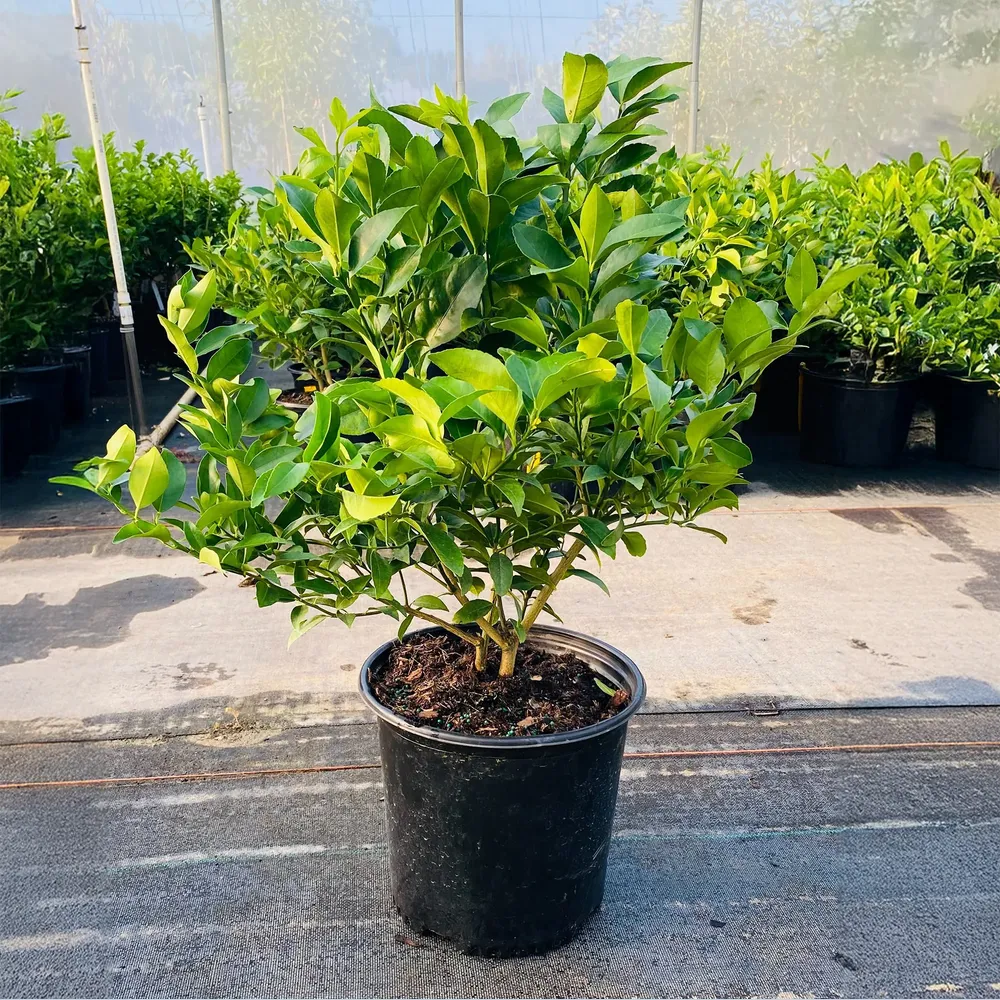

Jobe's Rose Fertilizer Spikes - Slow-Release Nutrient Delivery System
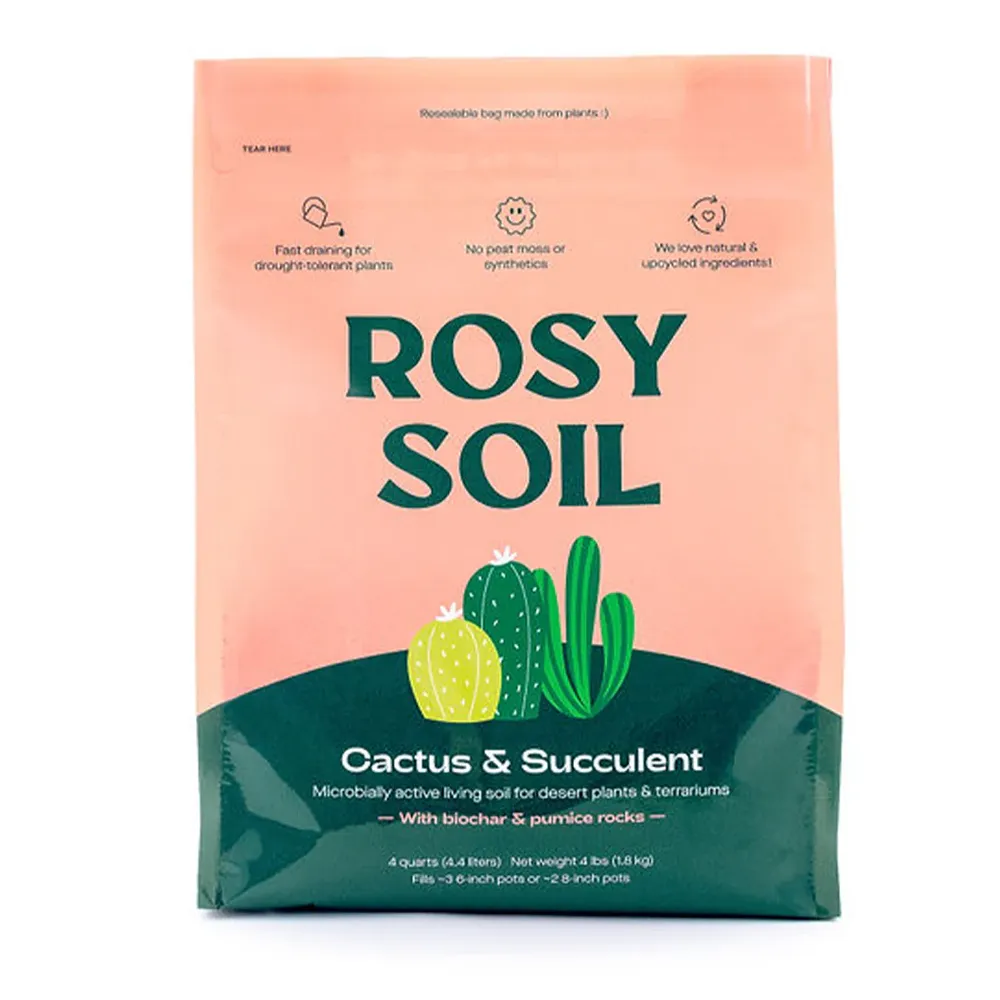
Cactus and Succulent Potting Mix - Fast-Draining Soil Blend for Indoor Plants
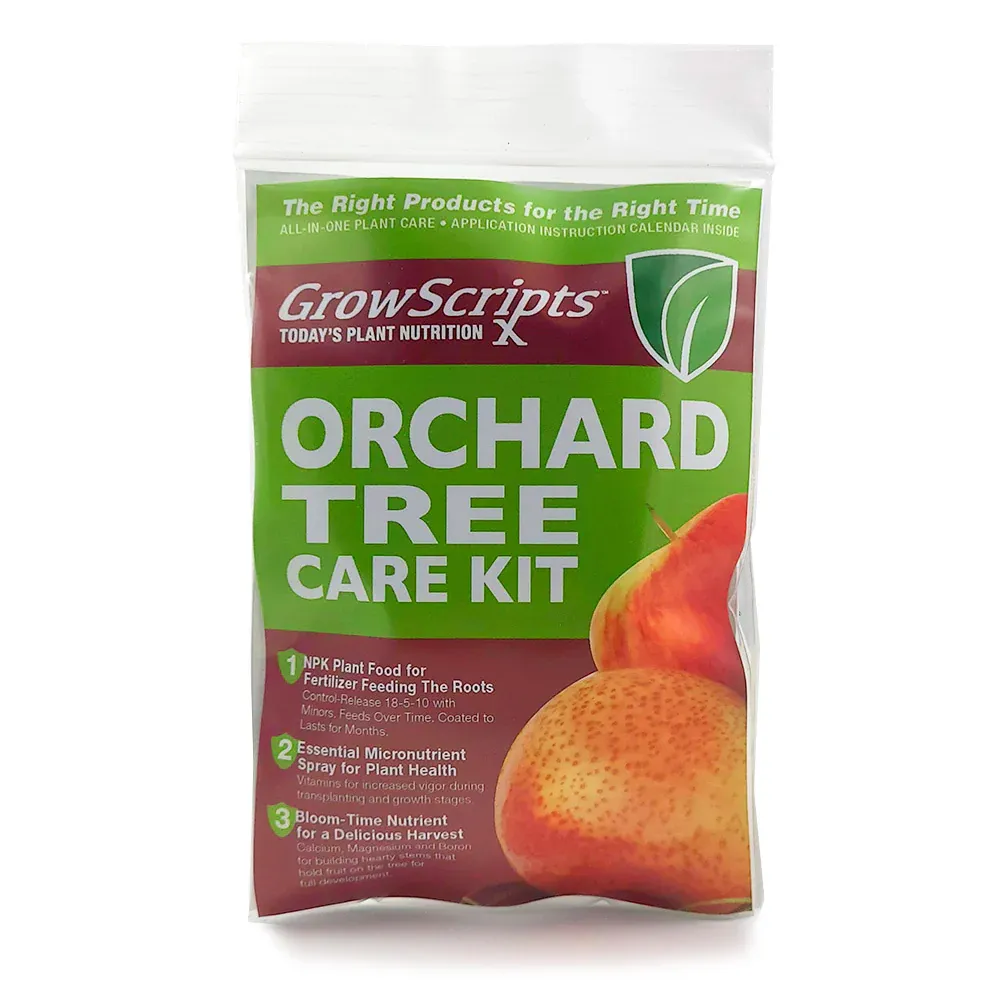
Orchard Tree Care Kit for Fruit Tree Growth and Maintenance

Hydration Boost + Electrolyte Supplement Powder for Daily Hydration Support
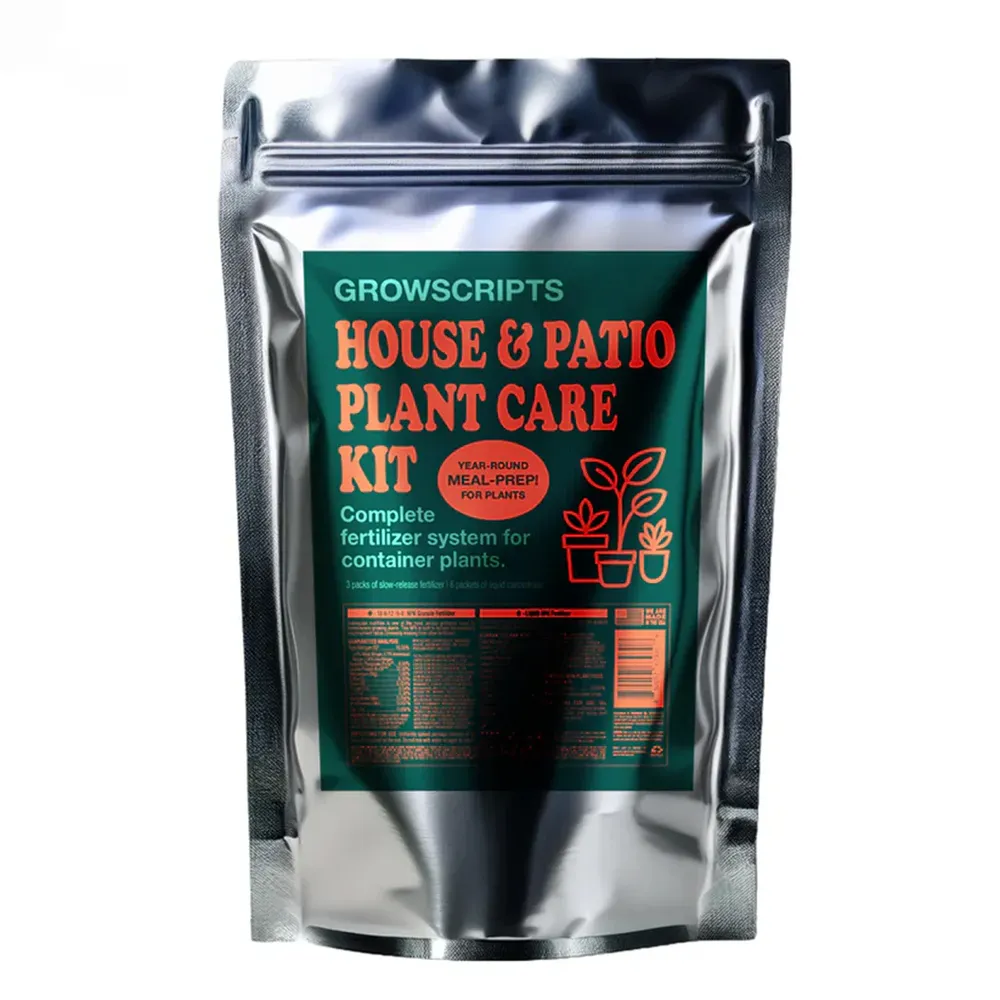
House and Patio Plant Care Kit - Comprehensive Indoor and Outdoor Fertilizer Set

Citrus Tree Care and Maintenance Kit for Lemon and Fruit Trees