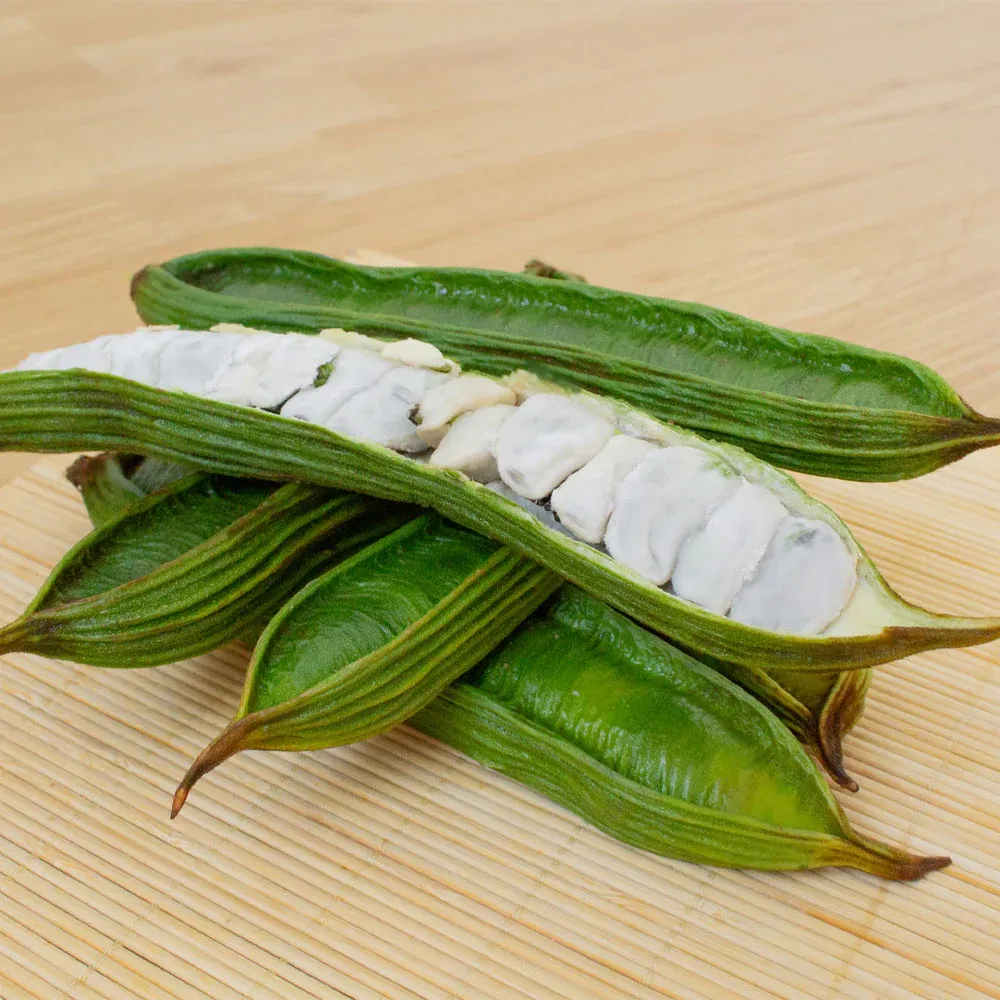
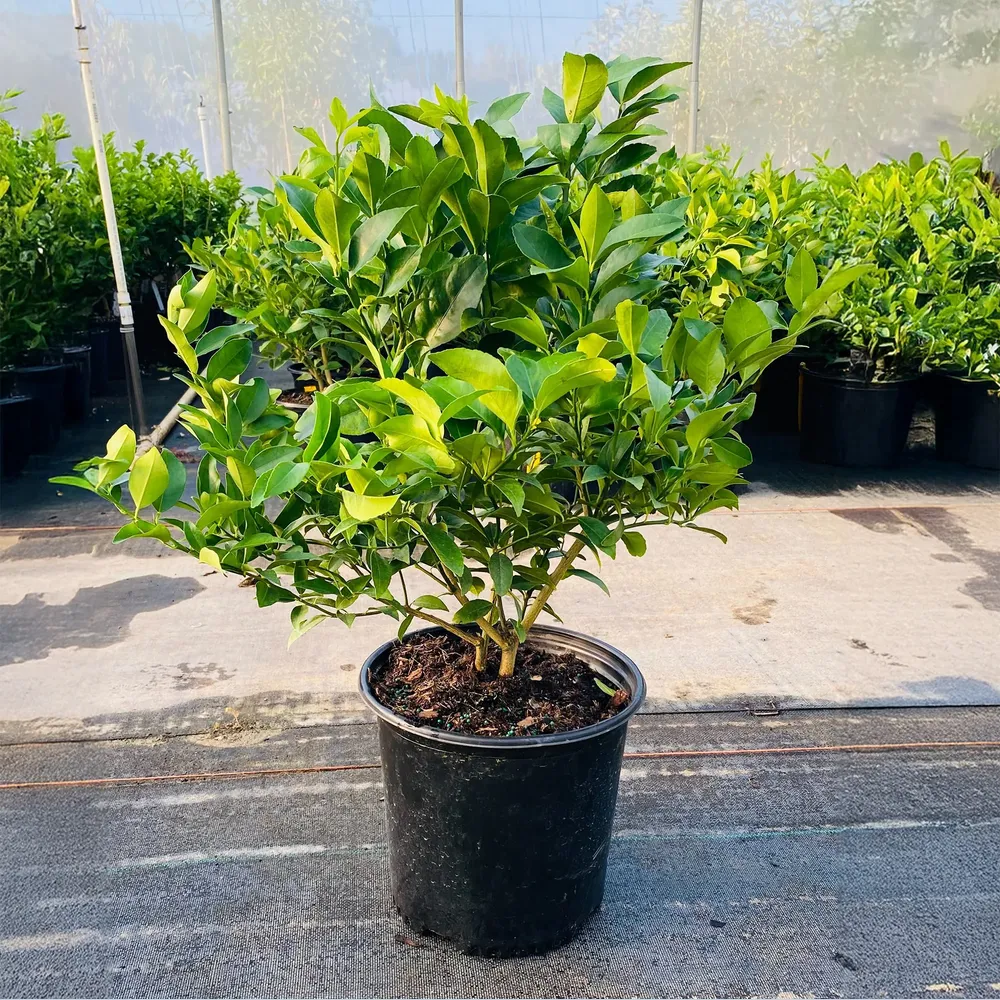
Ice Cream Bean Tree (Inga edulis) Tropical Fruit Plant
$9.00
$20.00
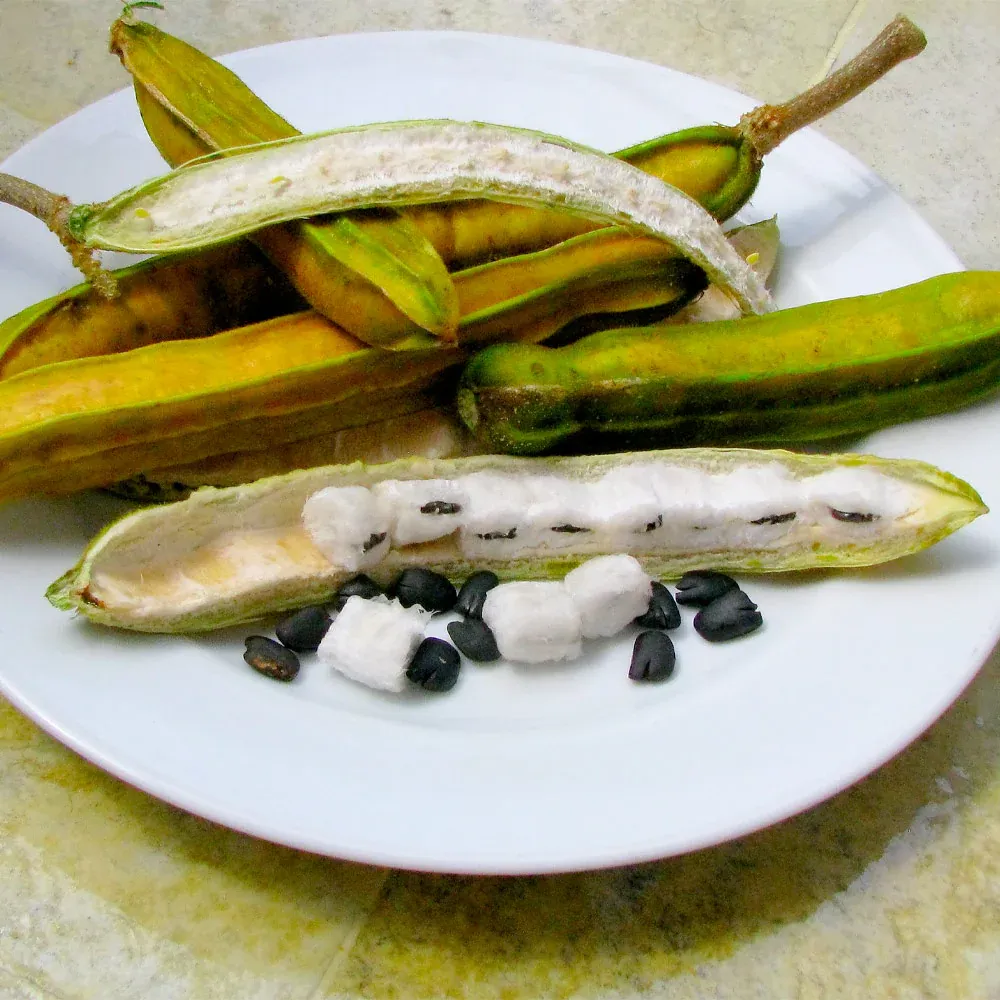
- Produces long, edible pods with a sweet, creamy, cotton-candy-like pulp.
- Fast-growing tropical species suitable for permaculture and shade provision.
- Nitrogen-fixing root system helps improve surrounding soil fertility.
- Thrives in warm, humid climates with consistent moisture.
Discover the Ice Cream Bean Tree (Inga edulis)
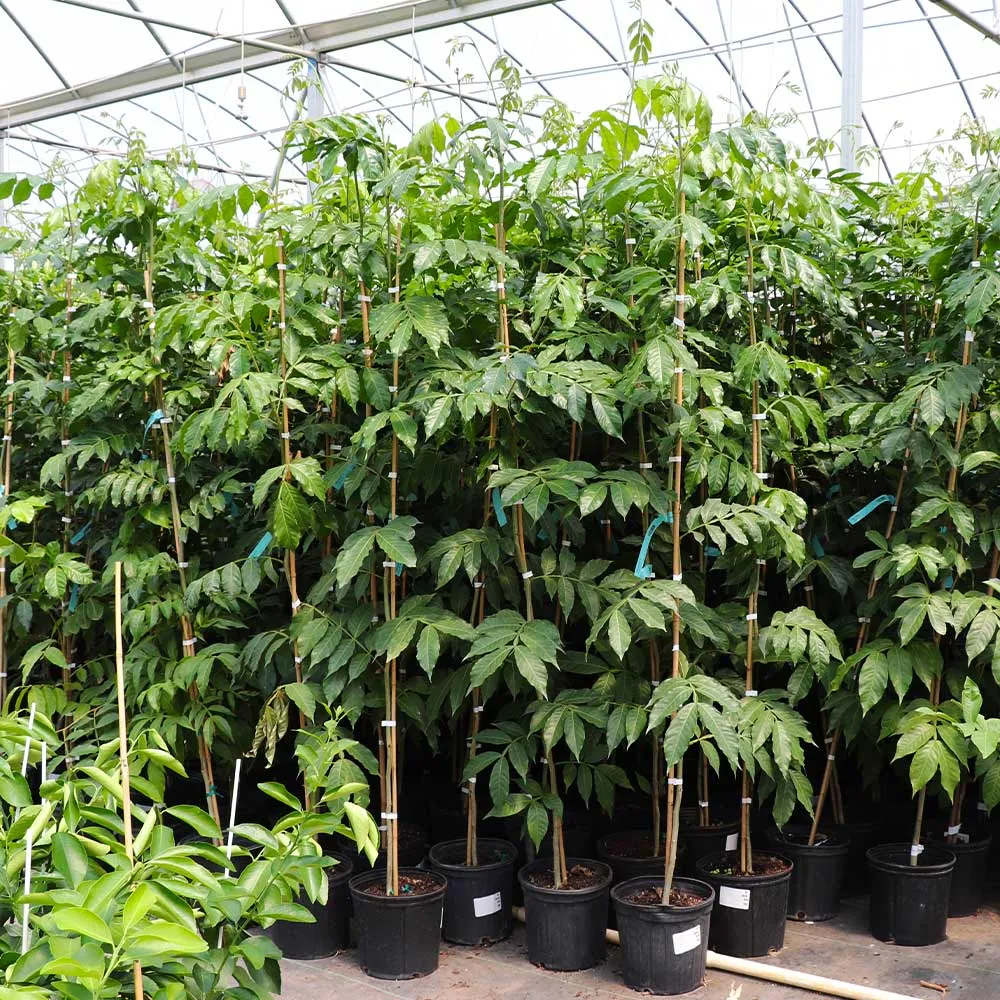
The Ice Cream Bean Tree, scientifically known as Inga edulis, is a fast-growing tropical legume tree widely recognized for its unique edible fruit. This species is highly valued in tropical agroforestry for its ability to provide rapid shade and improve soil health through nitrogen fixation.
Growth and Cultivation
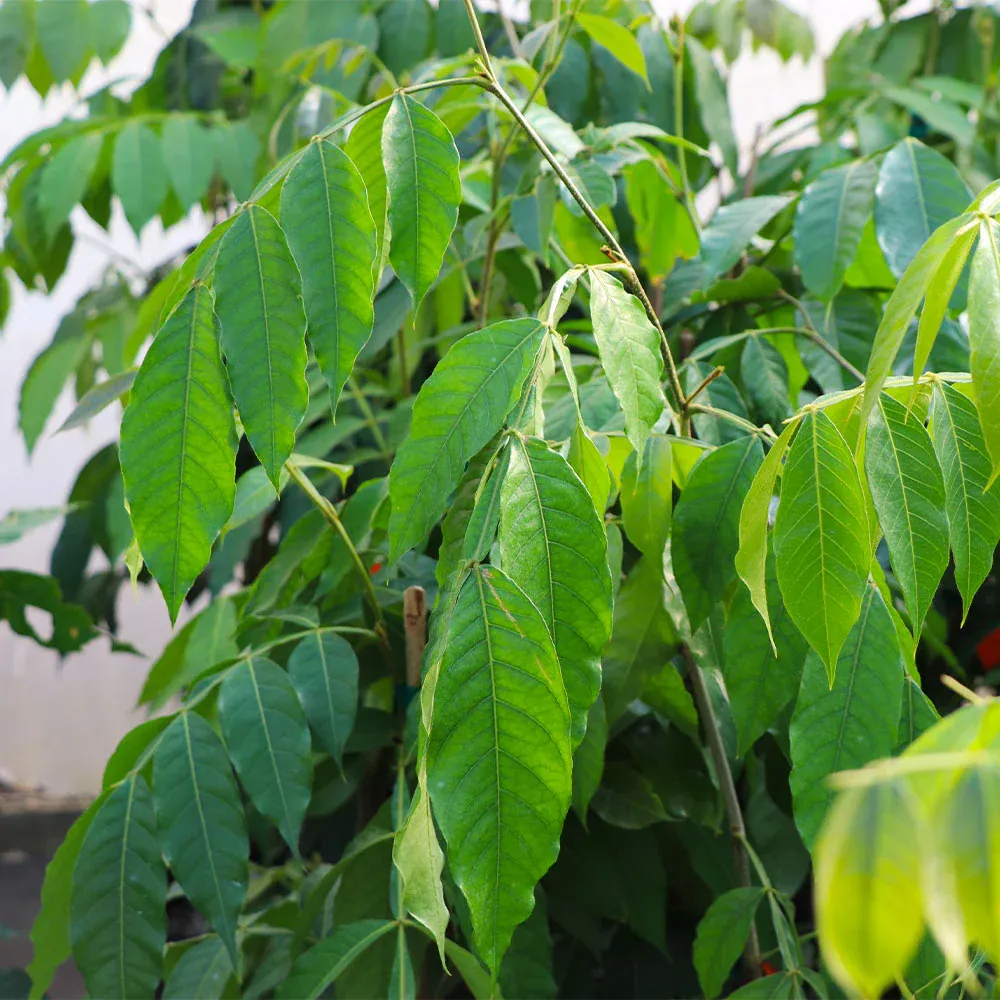
This tree is characterized by its large, pinnate leaves and long, bean-like pods that can reach significant lengths. The interior of the pod contains a white, fibrous, sweet pulp that is often compared to the texture and flavor of vanilla ice cream. Proper cultivation requires a frost-free environment with high humidity and well-draining, nutrient-rich soil. Regular watering is essential, especially during the establishment phase, to ensure healthy development.
Environmental Benefits
- Soil Enrichment: As a nitrogen-fixing plant, it contributes to the nutrient cycle of the garden ecosystem.
- Shade Provision: Its rapid growth rate makes it an effective canopy tree for protecting smaller, shade-tolerant plants.
- Edible Harvest: Provides a sustainable source of fruit that is popular in tropical regions for its distinct flavor profile.
Planting Recommendations
To maximize growth, plant in a location that receives full sun to partial shade. Ensure the soil remains consistently moist but not waterlogged. Given its tropical origin, this tree is sensitive to cold temperatures and should be protected from frost. With appropriate care, the tree matures into a sturdy specimen capable of producing abundant pods.
You May Also Like
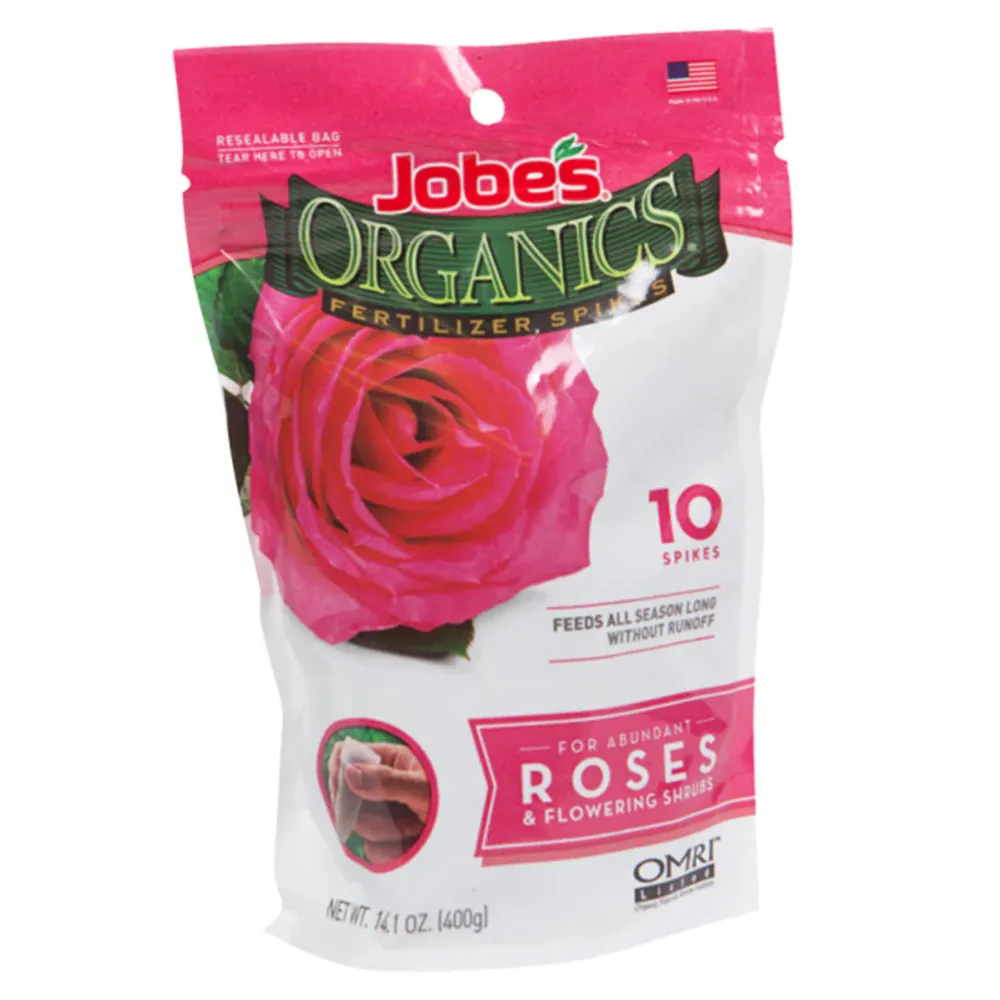
Jobe's Rose Fertilizer Spikes - Slow-Release Nutrient Delivery System
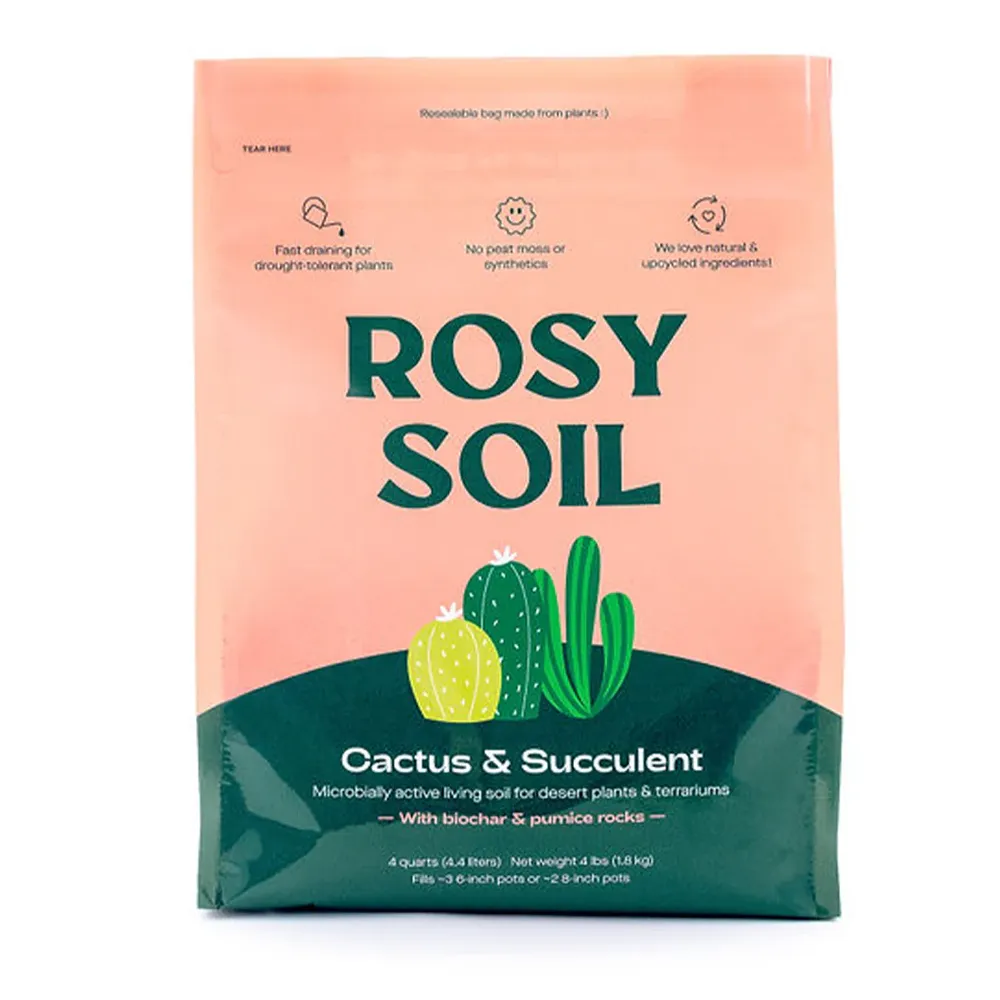
Cactus and Succulent Potting Mix - Fast-Draining Soil Blend for Indoor Plants
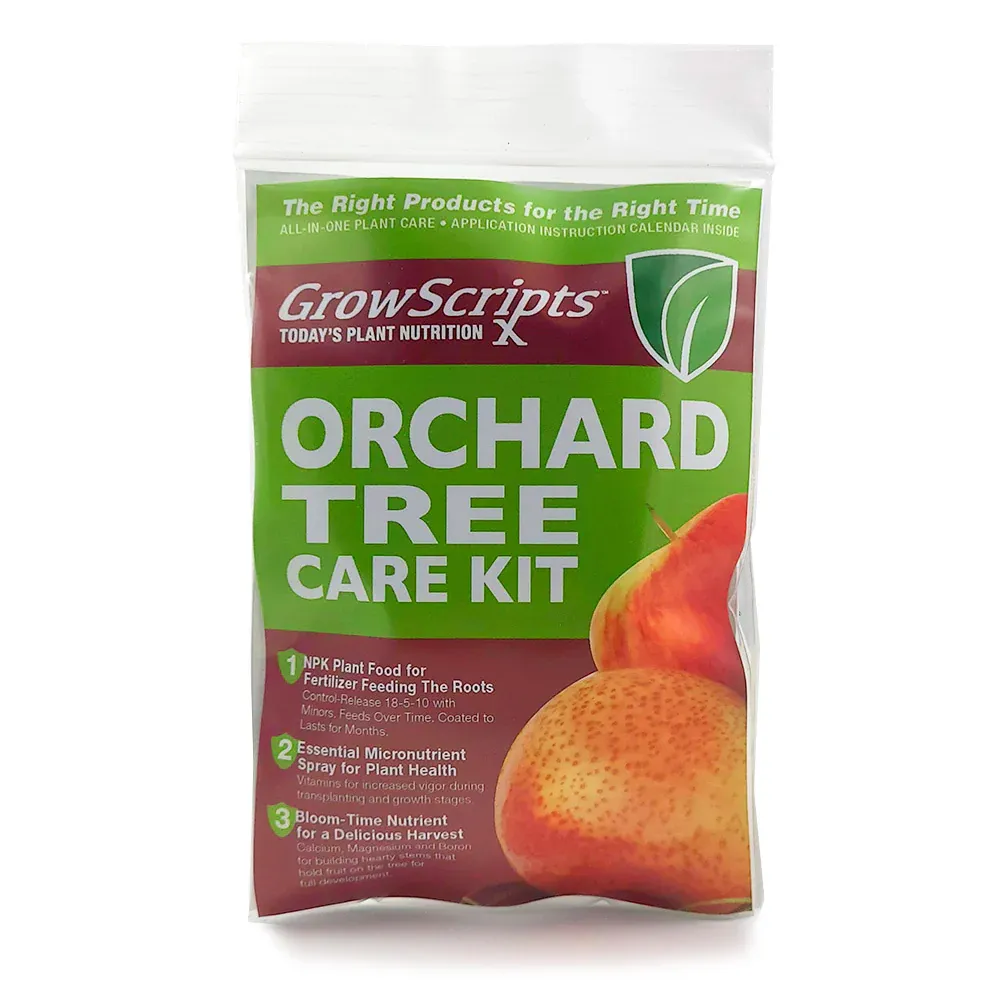
Orchard Tree Care Kit for Fruit Tree Growth and Maintenance

Hydration Boost + Electrolyte Supplement Powder for Daily Hydration Support
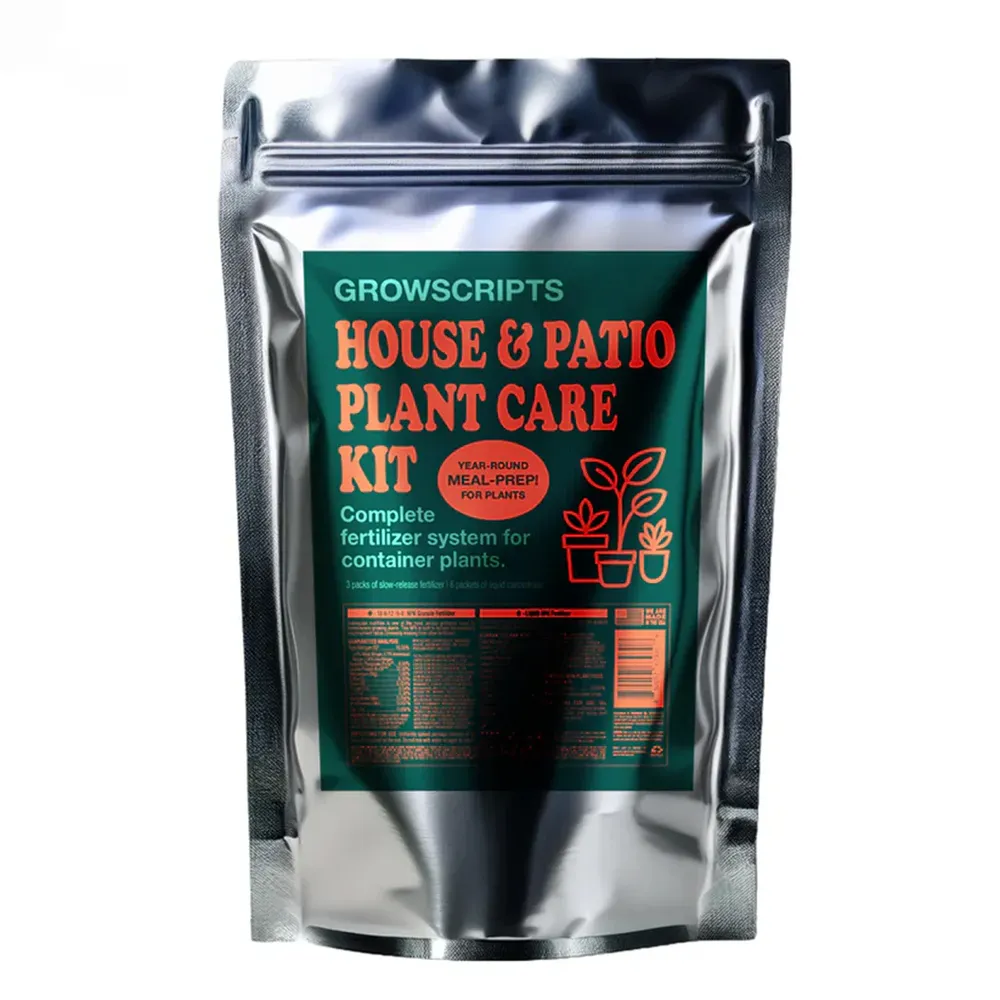
House and Patio Plant Care Kit - Comprehensive Indoor and Outdoor Fertilizer Set
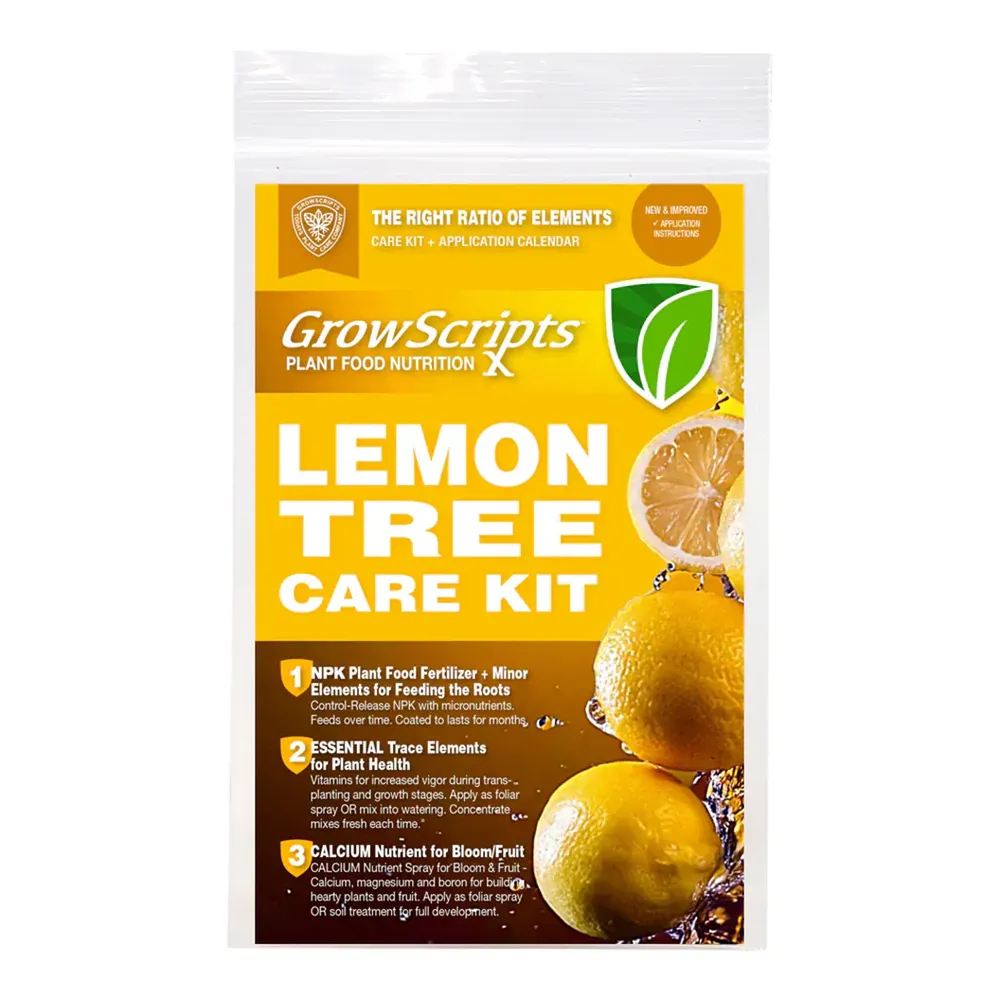
Citrus Tree Care and Maintenance Kit for Lemon and Fruit Trees