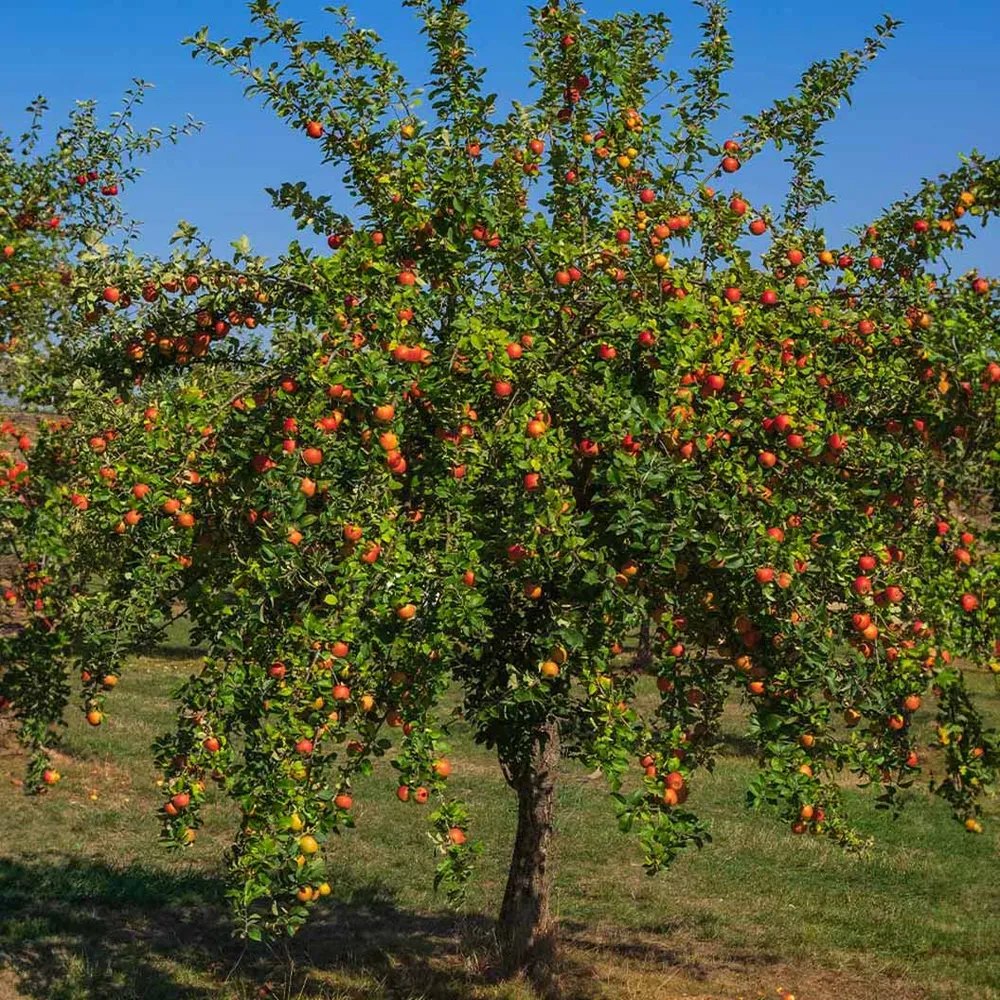
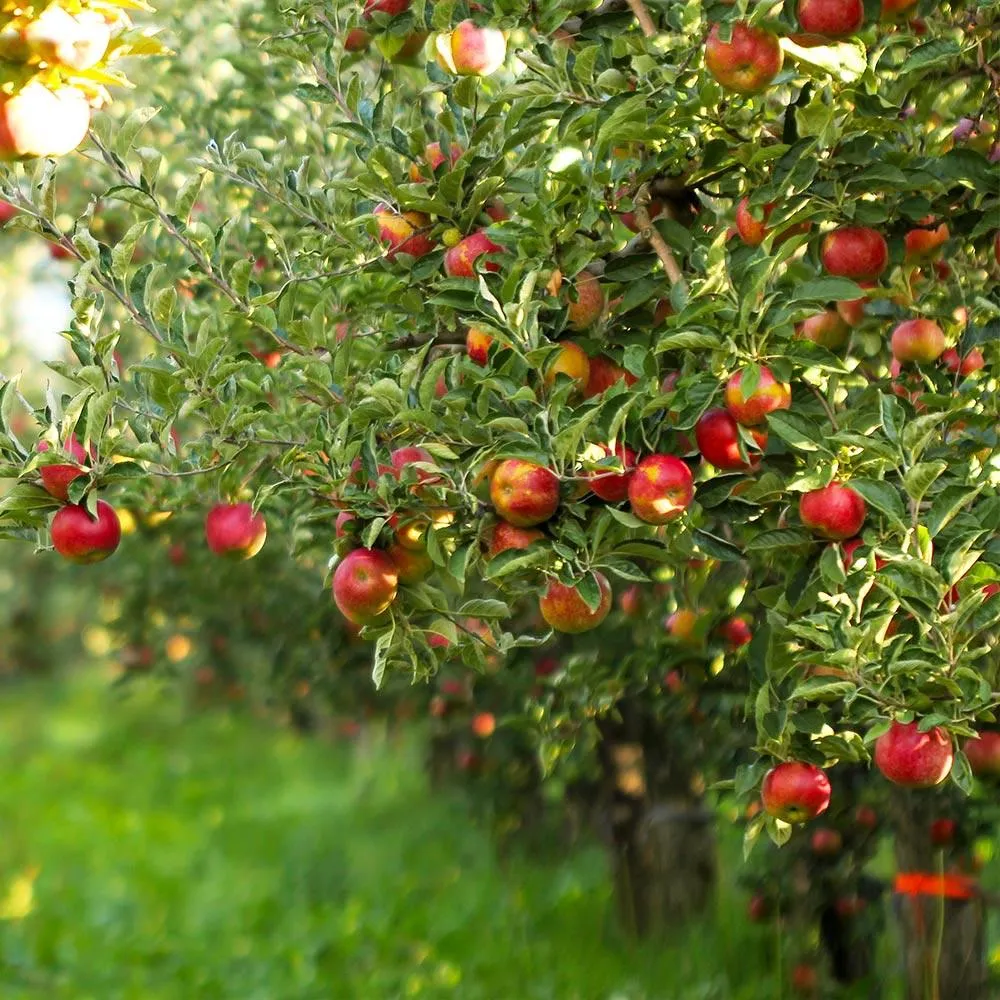
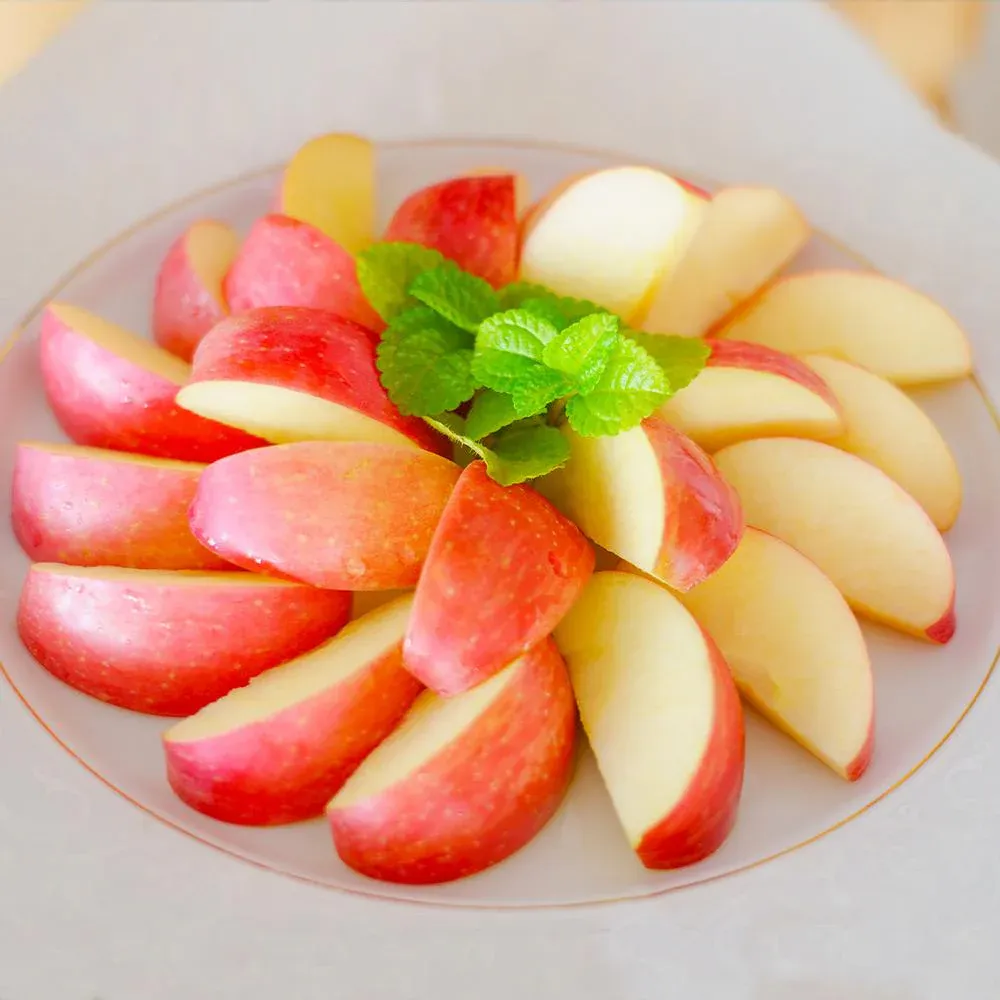
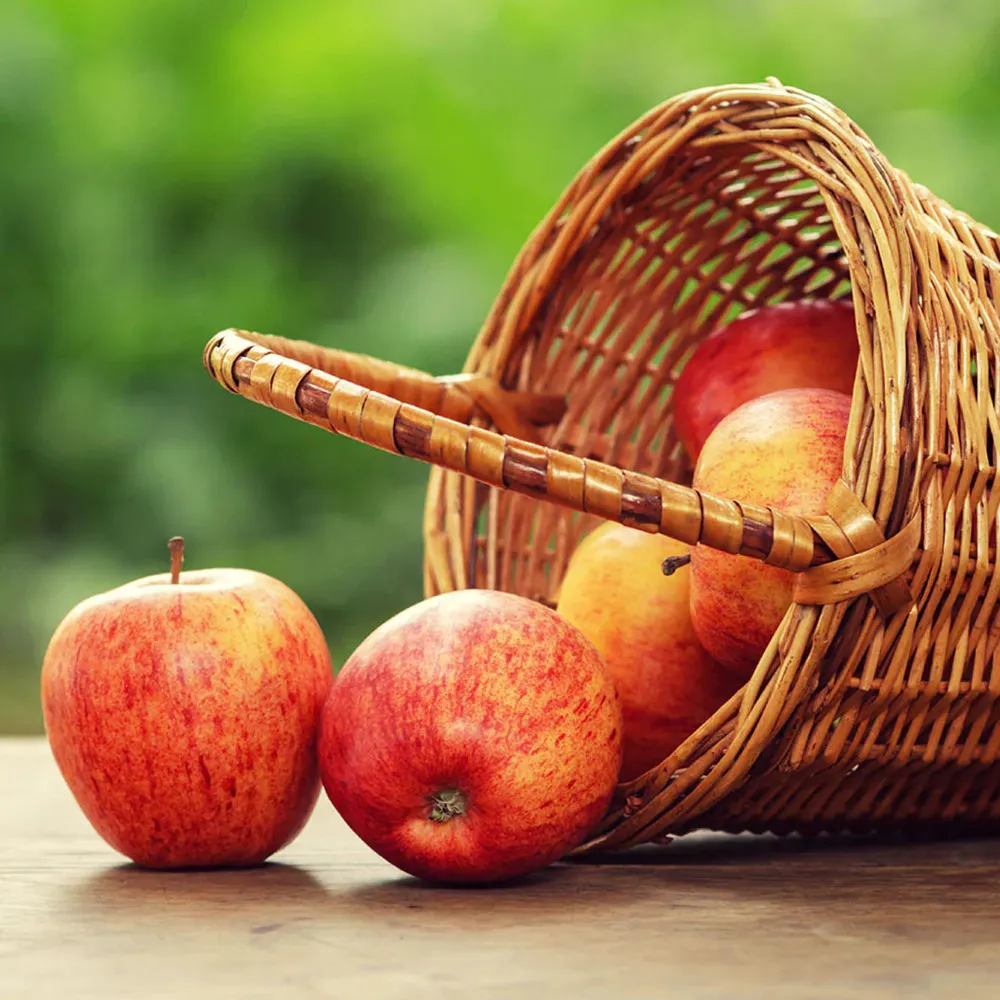
Gala Apple Tree - Productive Deciduous Fruit Tree for Home Gardens
$109.95
$133.95
- Produces sweet, crisp, and aromatic apples suitable for fresh consumption and culinary use.
- Features a semi-dwarf growth habit, making it manageable for residential garden spaces.
- Requires cross-pollination with compatible apple varieties to ensure consistent fruit set.
- Adaptable to a wide range of soil types with proper drainage and full sun exposure.
Size: 4-5 feet
Gala Apple Tree: A Reliable Choice for Home Orchards
The Gala apple tree is a popular deciduous fruit tree variety recognized for its consistent production of sweet, crisp, and flavorful fruit. This variety is well-suited for home gardeners looking to cultivate their own produce. With proper care and environmental conditions, the tree provides a reliable harvest season after season.
Growth and Cultivation Requirements
To ensure optimal health and fruit production, the Gala apple tree requires a location with full sun exposure, receiving at least 6 to 8 hours of direct sunlight daily. It thrives in well-draining, loamy soil with a neutral pH. Regular monitoring for common apple tree diseases, such as apple scab and powdery mildew, is recommended to maintain tree vigor.
Pollination and Yield
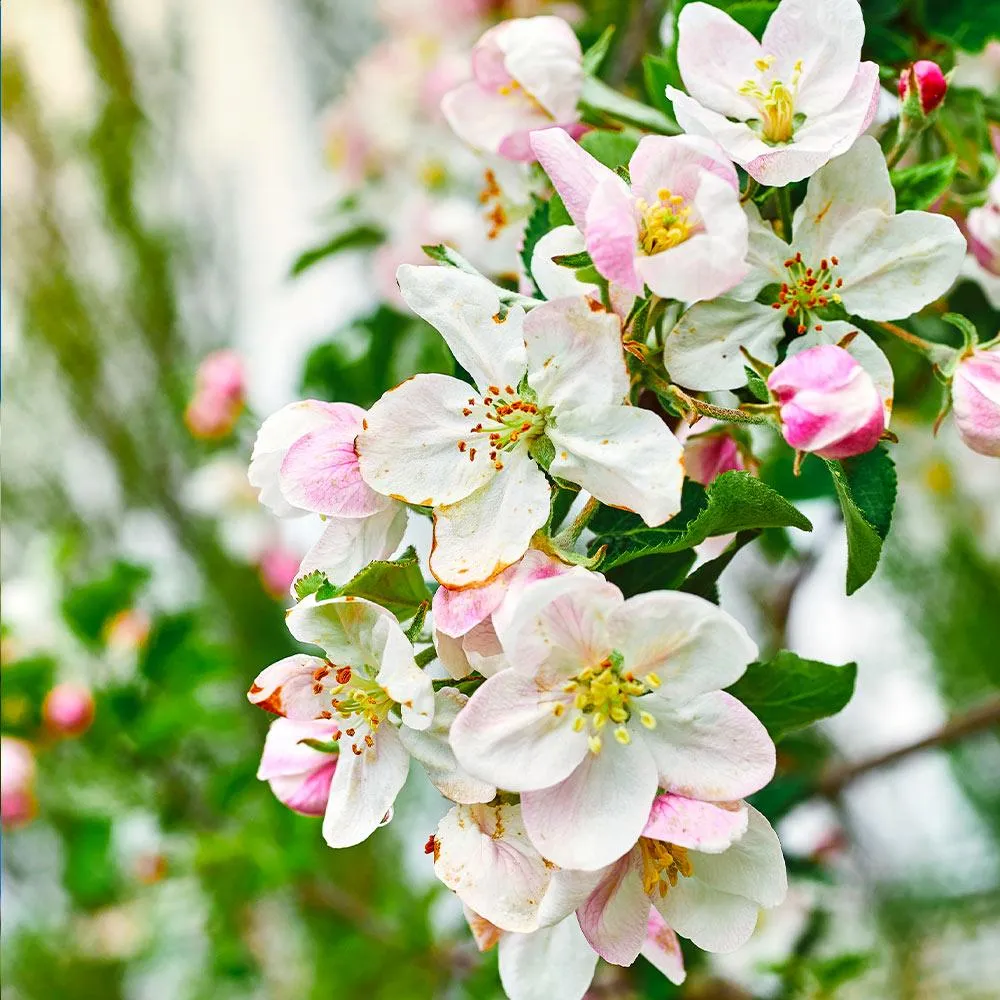
The Gala apple tree is not self-fertile. To achieve a successful fruit set, it must be planted in proximity to another compatible apple variety that blooms at the same time. This cross-pollination process is essential for the development of fruit. Gardeners should also consider the local chilling hour requirements, as this variety needs a specific duration of cool temperatures during winter to break dormancy and initiate spring growth.
Maintenance and Pruning
- Pruning: Annual winter pruning is necessary to remove dead or crossing branches, which improves air circulation and light penetration throughout the canopy.
- Watering: Consistent moisture is required, especially during the first few years of establishment and throughout the fruit-bearing season.
- Training: Structural training during the early growth stages helps establish a strong central leader, supporting the weight of the fruit as the tree matures.
You May Also Like
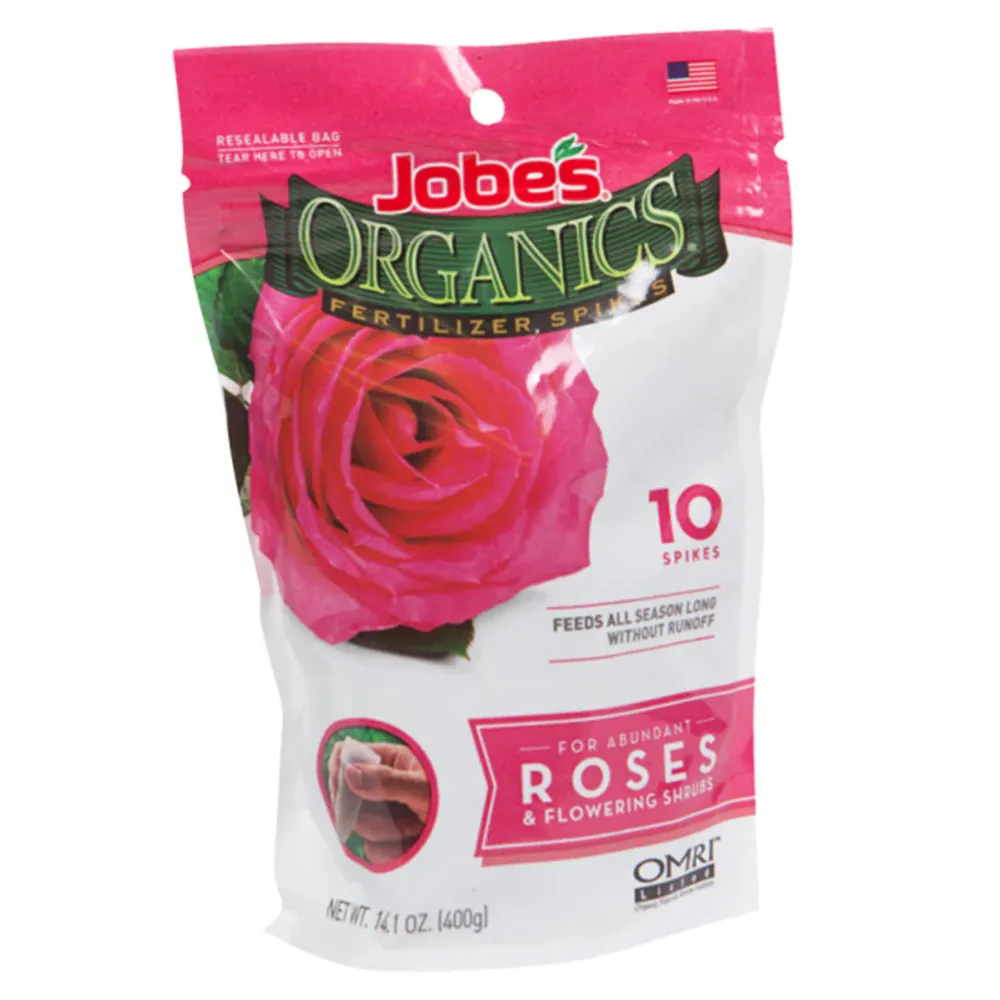
Jobe's Rose Fertilizer Spikes - Slow-Release Nutrient Delivery System
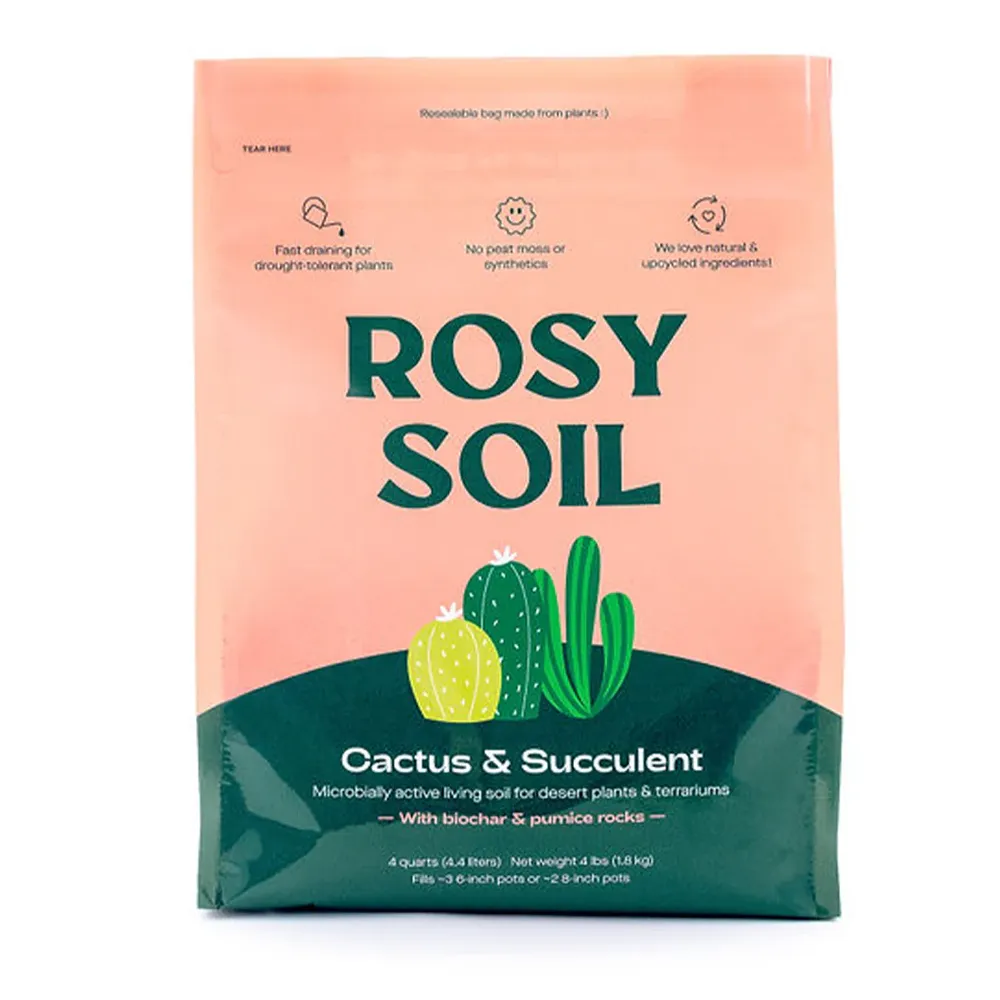
Cactus and Succulent Potting Mix - Fast-Draining Soil Blend for Indoor Plants
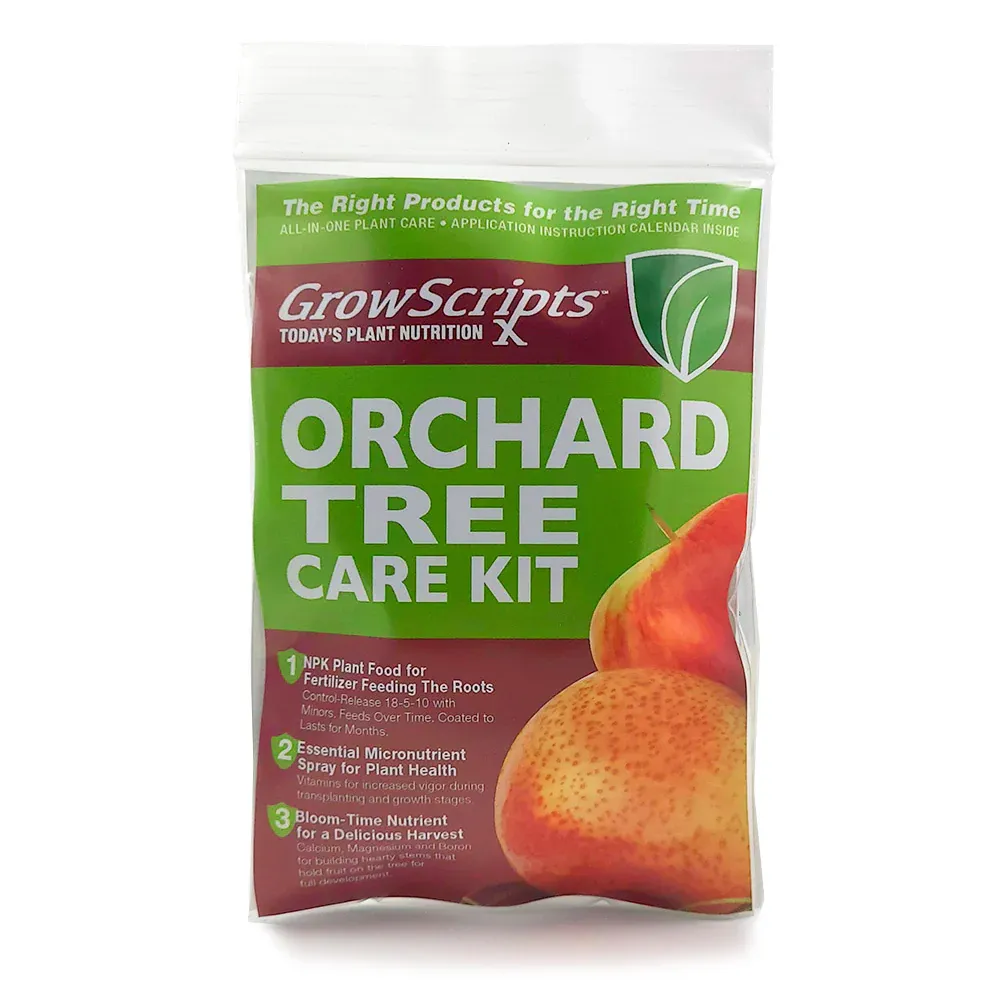
Orchard Tree Care Kit for Fruit Tree Growth and Maintenance
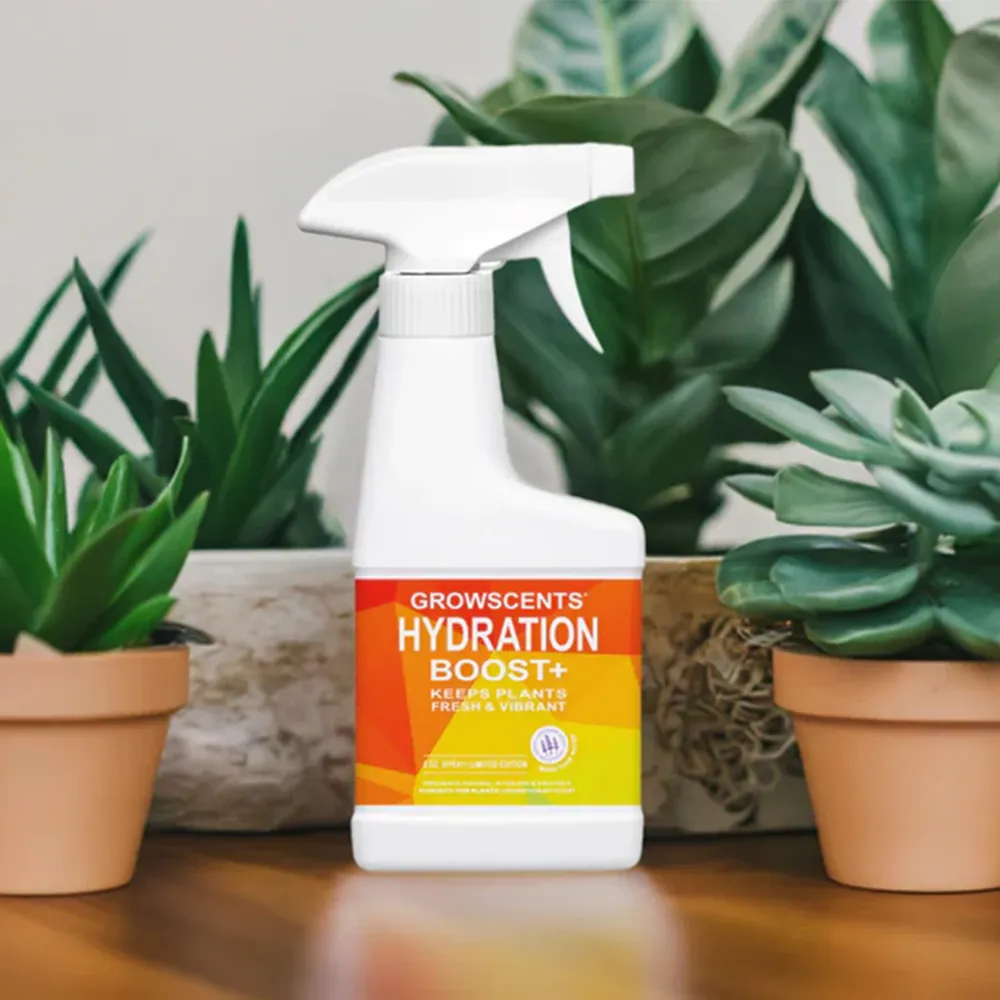
Hydration Boost + Electrolyte Supplement Powder for Daily Hydration Support

House and Patio Plant Care Kit - Comprehensive Indoor and Outdoor Fertilizer Set
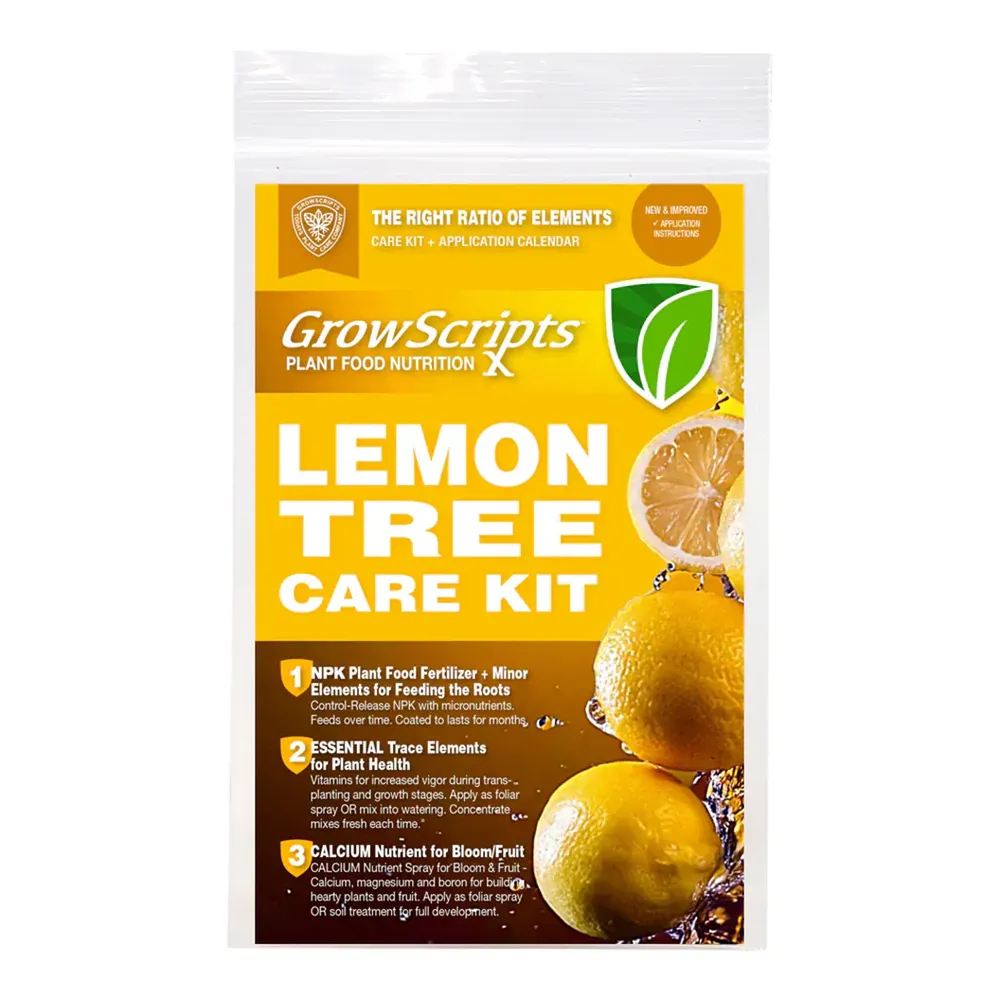
Citrus Tree Care and Maintenance Kit for Lemon and Fruit Trees