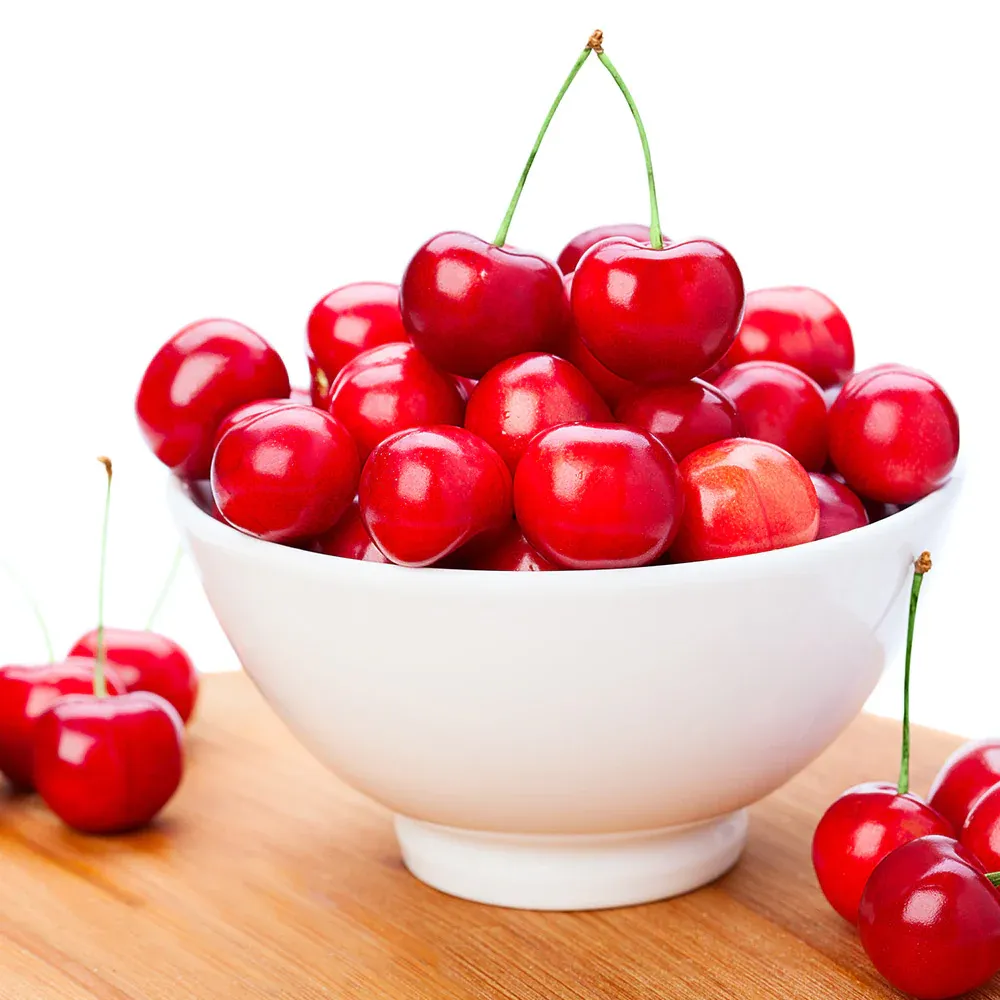
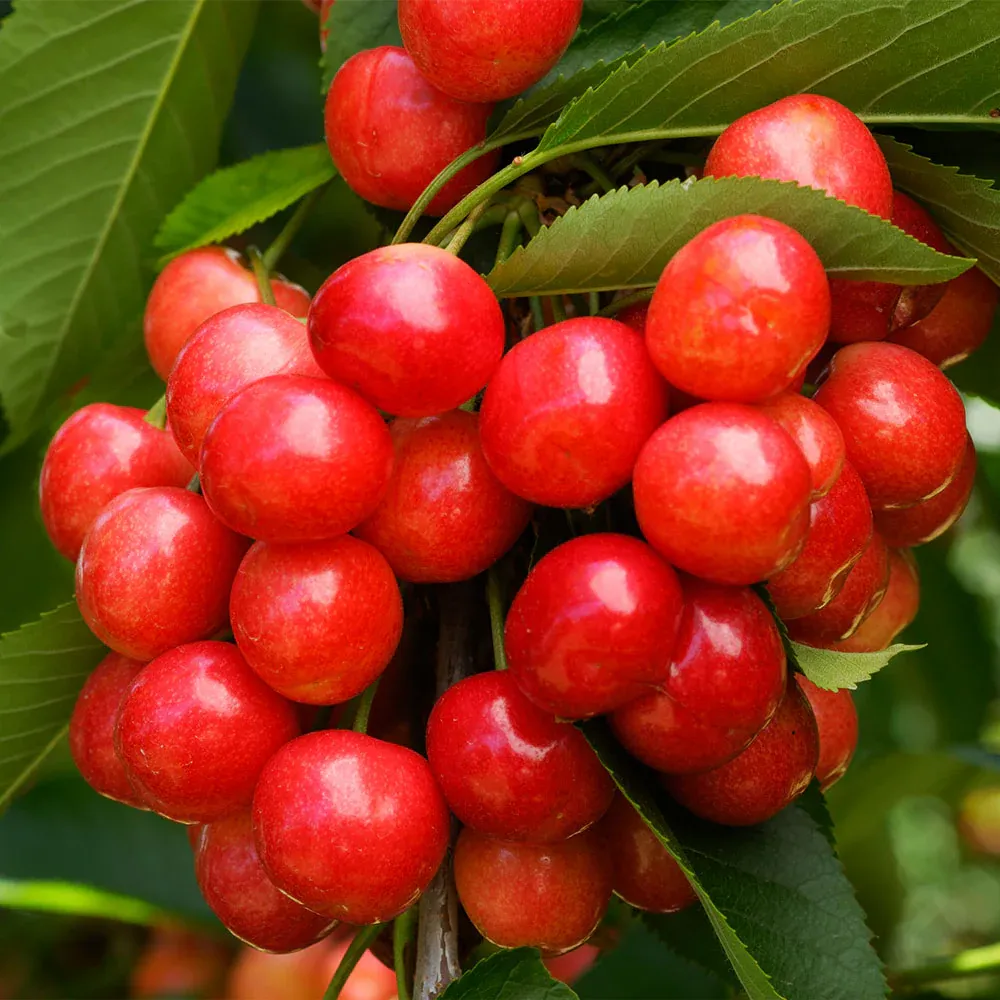
Coral Champagne Cherry Tree - Productive Fruit Tree for Home Gardens
$9.00
$20.00
- Features a unique flavor profile characteristic of the Coral Champagne variety.
- Designed for compatibility with standard home garden soil and climate conditions.
- Supports consistent fruit production when provided with appropriate pollination partners.
- Supplied as a healthy sapling suitable for residential planting and orchard establishment.
Coral Champagne Cherry Tree Overview
The Coral Champagne Cherry Tree is a specialized variety cultivated for its distinct fruit characteristics and adaptability. This tree is suitable for growers looking to incorporate stone fruit production into their home landscape or orchard. By focusing on proper planting techniques and maintenance, this tree provides a reliable source of fruit production.
Growth and Cultivation Requirements
To ensure optimal development, the Coral Champagne Cherry Tree requires well-draining soil and consistent access to sunlight. It is essential to monitor soil pH levels to maintain the nutrient uptake necessary for healthy foliage and fruit development. Regular pruning during the dormant season assists in maintaining tree structure and promoting airflow, which helps manage common environmental stressors.
Pollination and Fruit Production
While some cherry varieties are self-fertile, the Coral Champagne Cherry Tree benefits from the presence of compatible pollination partners to maximize fruit set. Growers should ensure that cross-pollinating varieties are planted within a reasonable distance to facilitate effective pollination cycles. Consistent watering schedules, particularly during the fruit development stage, are critical for achieving the desired fruit size and quality.
Maintenance Guidelines
- Planting: Place in a location receiving full sun exposure for at least 6-8 hours daily.
- Watering: Maintain moist soil conditions without allowing water to pool around the root system.
- Pruning: Remove dead or crossing branches annually to encourage structural integrity.
- Monitoring: Inspect leaves and bark regularly for signs of pest activity or environmental stress.
You May Also Like

Jobe's Rose Fertilizer Spikes - Slow-Release Nutrient Delivery System
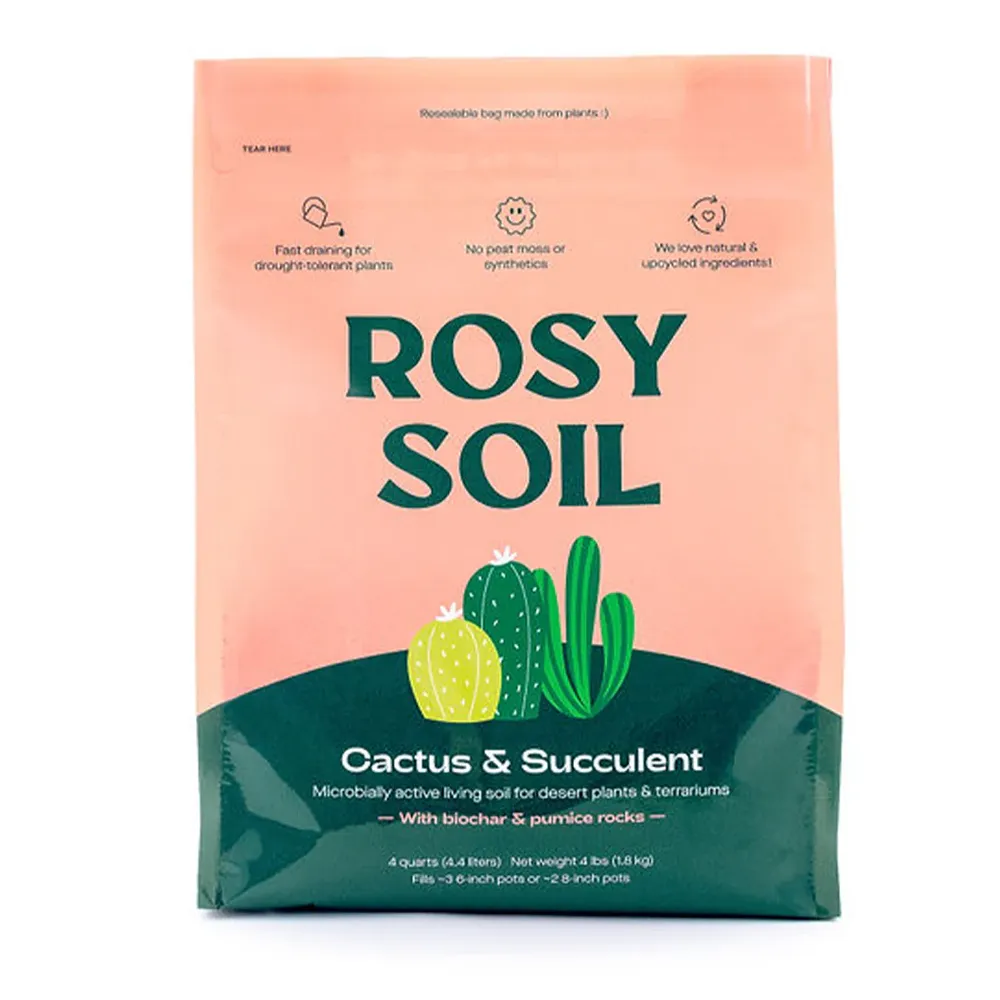
Cactus and Succulent Potting Mix - Fast-Draining Soil Blend for Indoor Plants
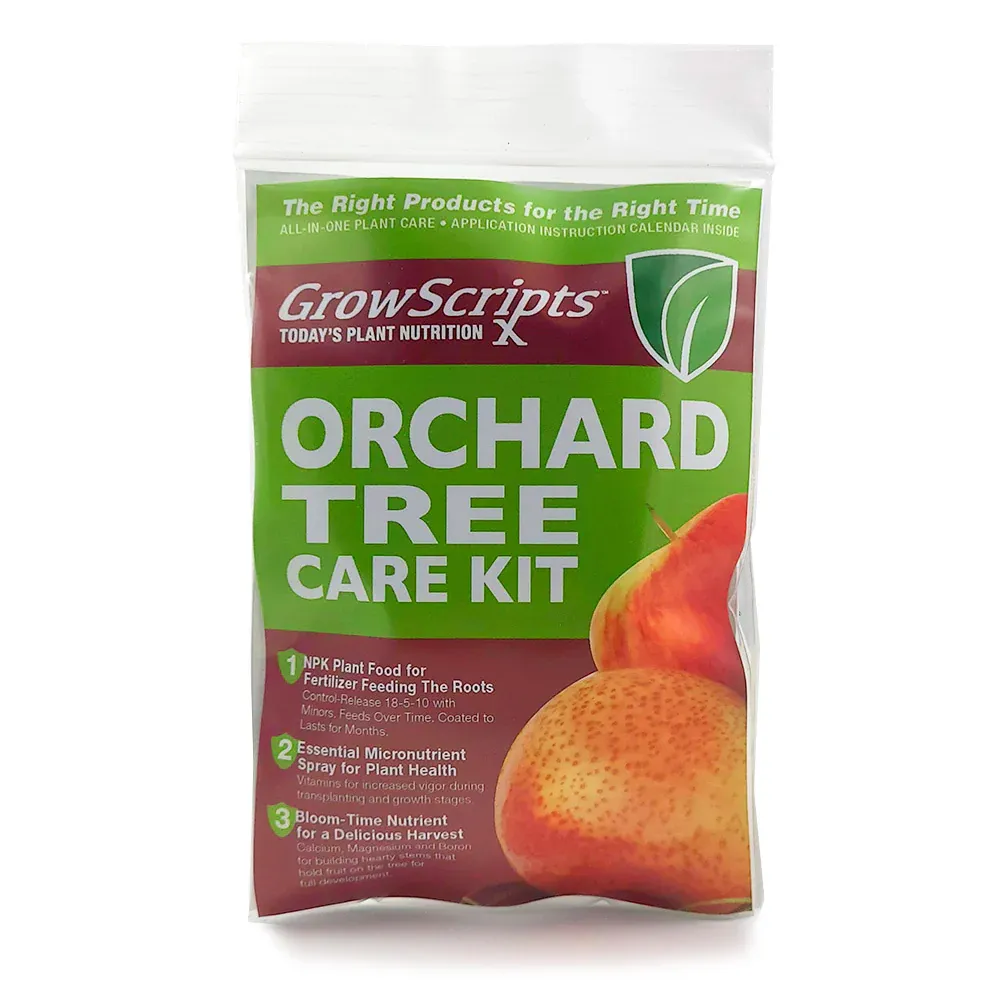
Orchard Tree Care Kit for Fruit Tree Growth and Maintenance
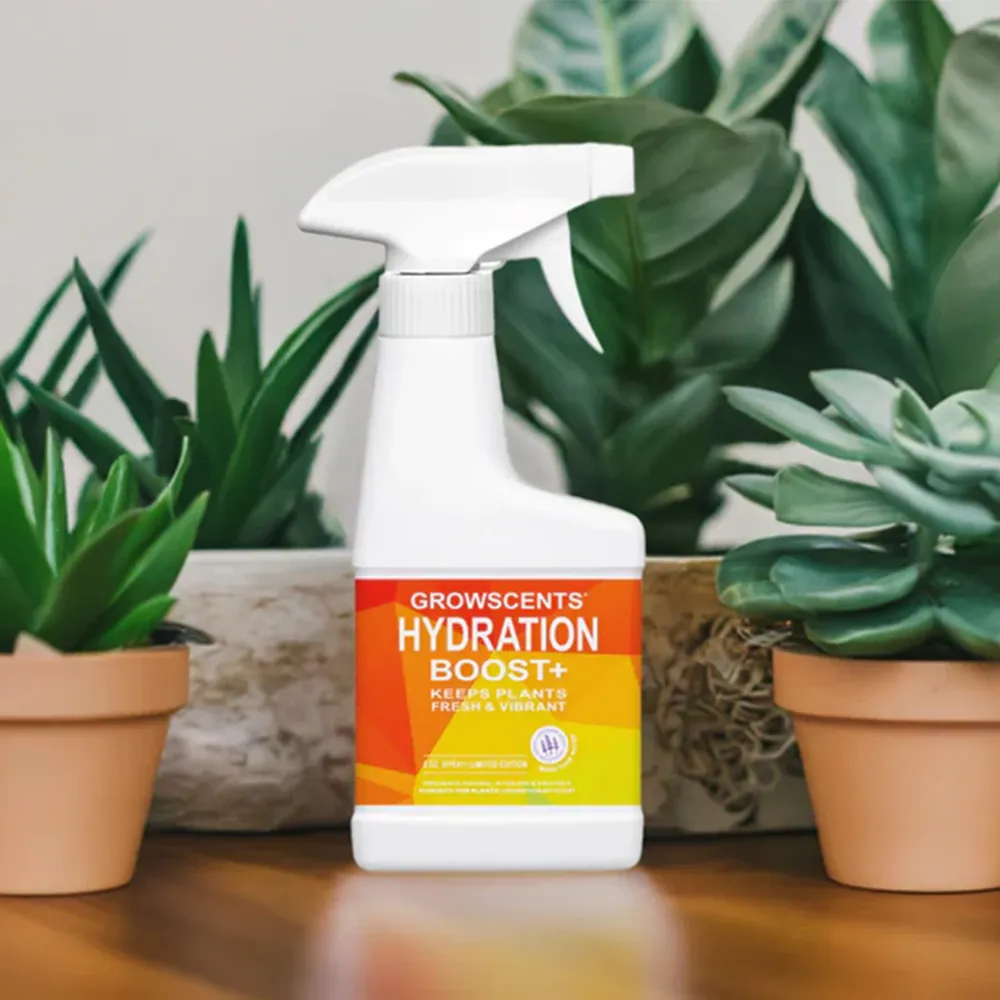
Hydration Boost + Electrolyte Supplement Powder for Daily Hydration Support

House and Patio Plant Care Kit - Comprehensive Indoor and Outdoor Fertilizer Set

Citrus Tree Care and Maintenance Kit for Lemon and Fruit Trees