City Slicker® River Birch Tree (Betula nigra)
$9.00
$20.00
- Heat-tolerant cultivar specifically selected for improved performance in warmer climates.
- Demonstrates increased resistance to bronze birch borer compared to standard species.
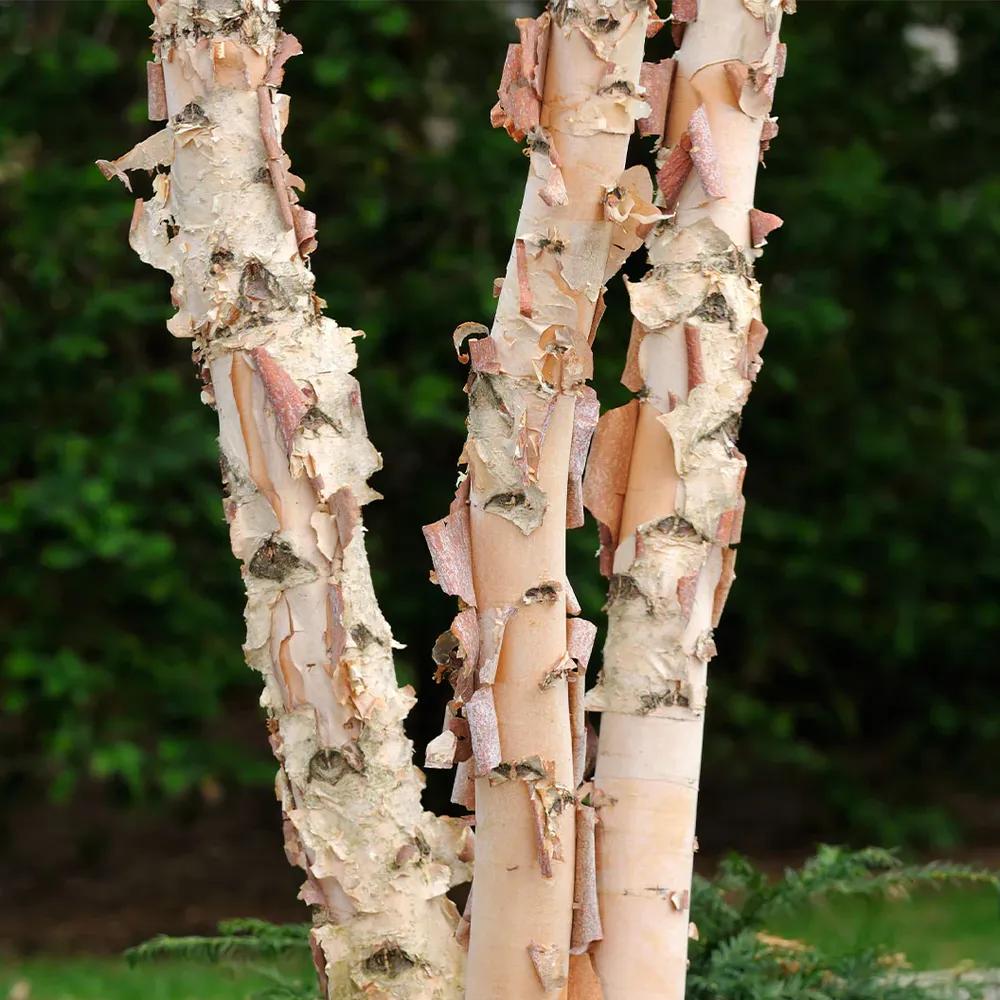
- Features distinctive exfoliating bark that provides year-round visual interest.
- Adaptable to a wide range of soil conditions, including moist and periodically wet areas.
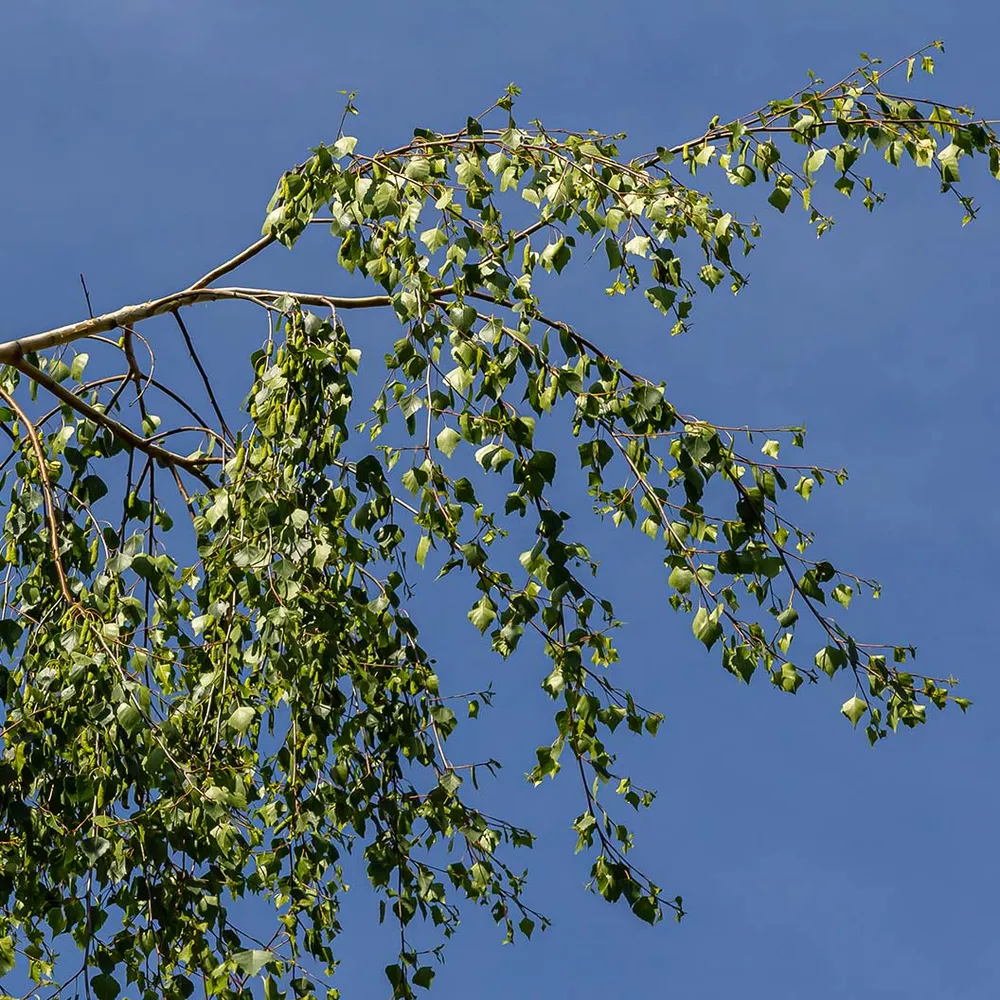
- Deciduous growth habit providing seasonal shade and foliage color transitions.
Overview of the City Slicker River Birch
The City Slicker River Birch (Betula nigra) is a cultivated variety of the native river birch, specifically bred for enhanced durability in urban and suburban landscapes. This deciduous tree is recognized for its ability to thrive in environments where other birch species may struggle, particularly in regions with higher summer temperatures.
Key Features and Environmental Adaptation
This cultivar is engineered to maintain structural integrity and aesthetic appeal in diverse conditions. Unlike many birch varieties that are highly susceptible to environmental stress, this selection shows a notable tolerance for heat and humidity. Its root system is adaptable to various soil types, performing well in moist, acidic soils and demonstrating resilience in areas that experience occasional flooding.
Disease and Pest Resistance
A primary characteristic of this tree is its improved resistance to the bronze birch borer, a common pest that impacts many birch species. By selecting for stronger physiological defenses, this tree maintains its health and bark quality over time, reducing the need for intensive maintenance. The signature exfoliating bark, which peels away to reveal lighter inner layers, remains a focal point of the tree's appearance throughout the seasons.
Landscape Utility
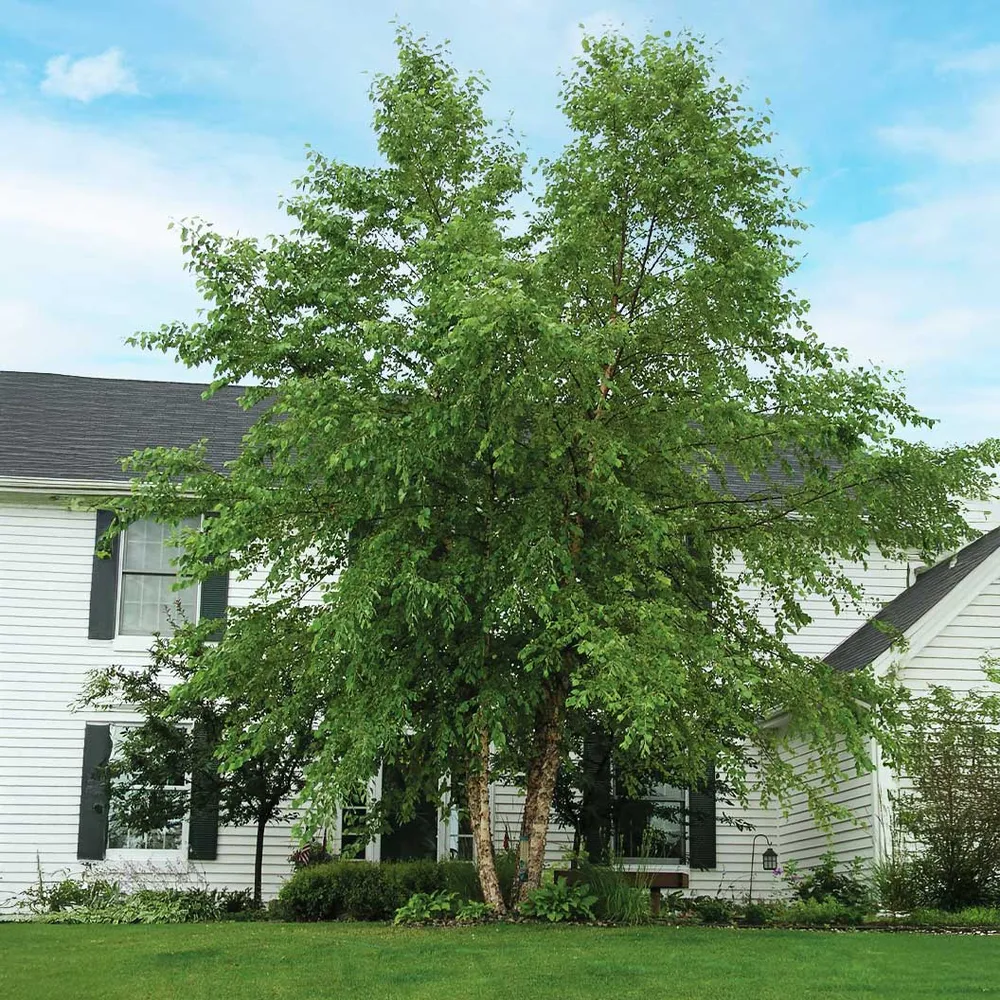
With its moderate growth rate and manageable size, this tree is suitable for residential gardens, park settings, and urban street plantings. It provides effective shade during the summer months and allows light penetration during the winter after leaf drop. Its natural form supports a variety of landscape designs, from formal groupings to solitary specimen plantings.
You May Also Like
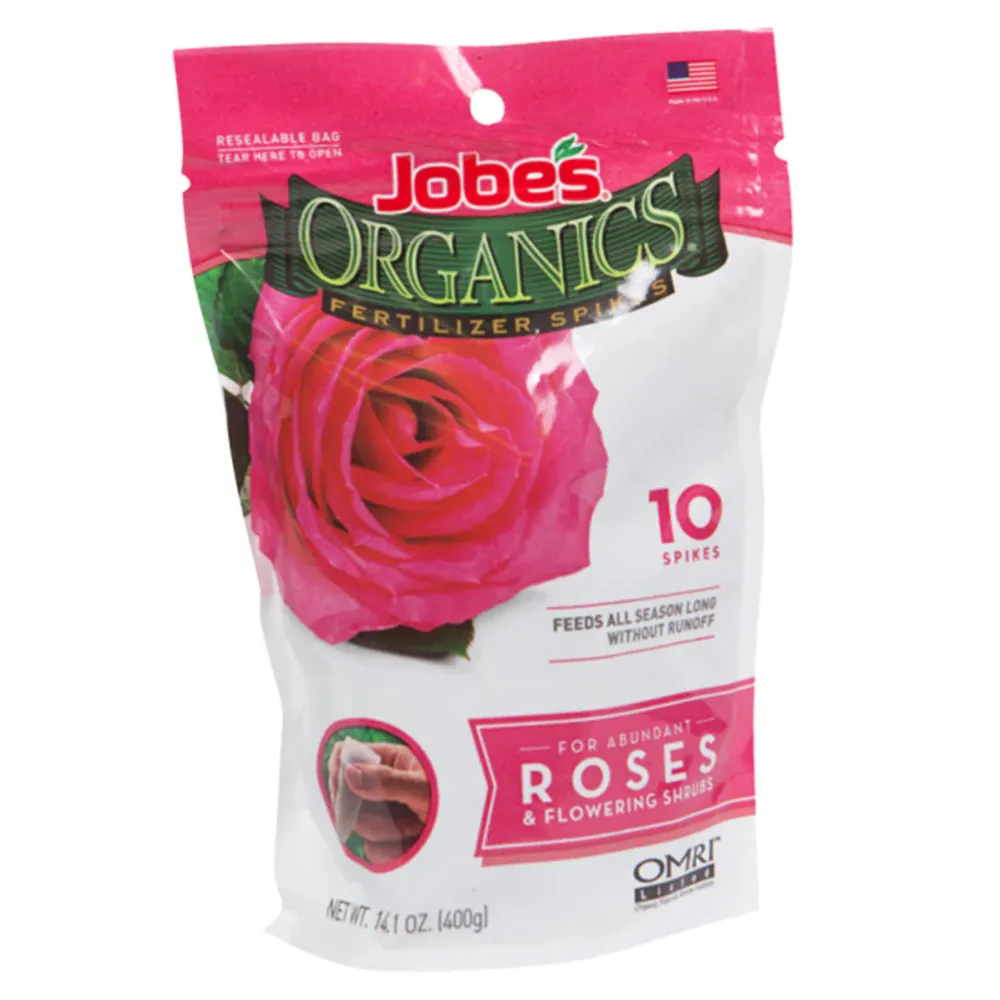
Jobe's Rose Fertilizer Spikes - Slow-Release Nutrient Delivery System
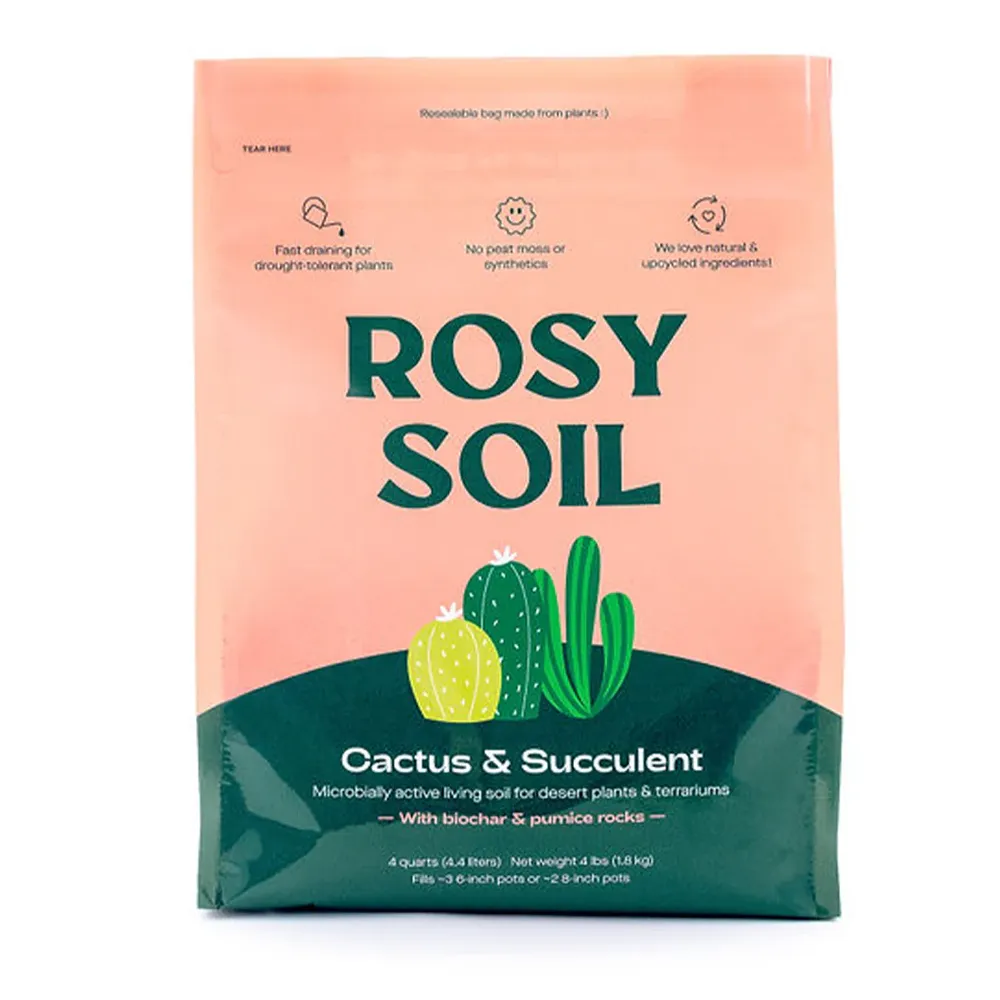
Cactus and Succulent Potting Mix - Fast-Draining Soil Blend for Indoor Plants
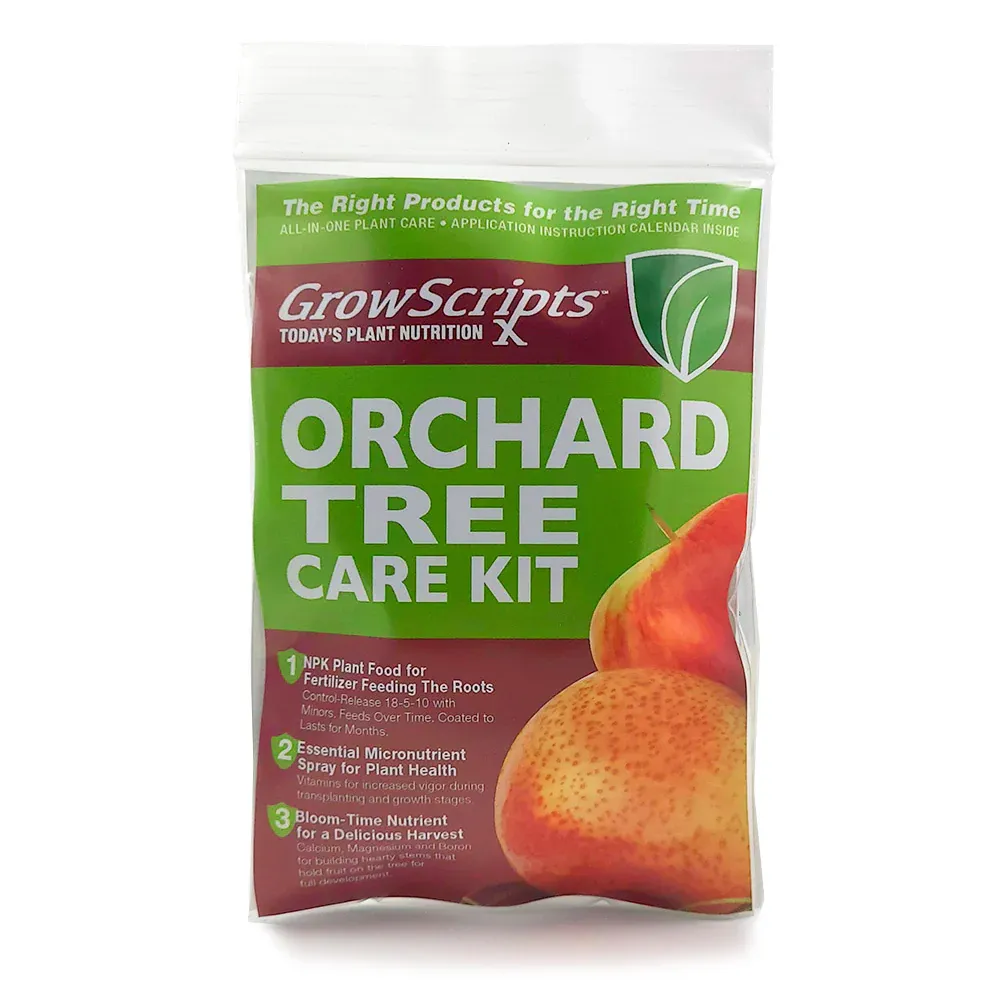
Orchard Tree Care Kit for Fruit Tree Growth and Maintenance

Hydration Boost + Electrolyte Supplement Powder for Daily Hydration Support
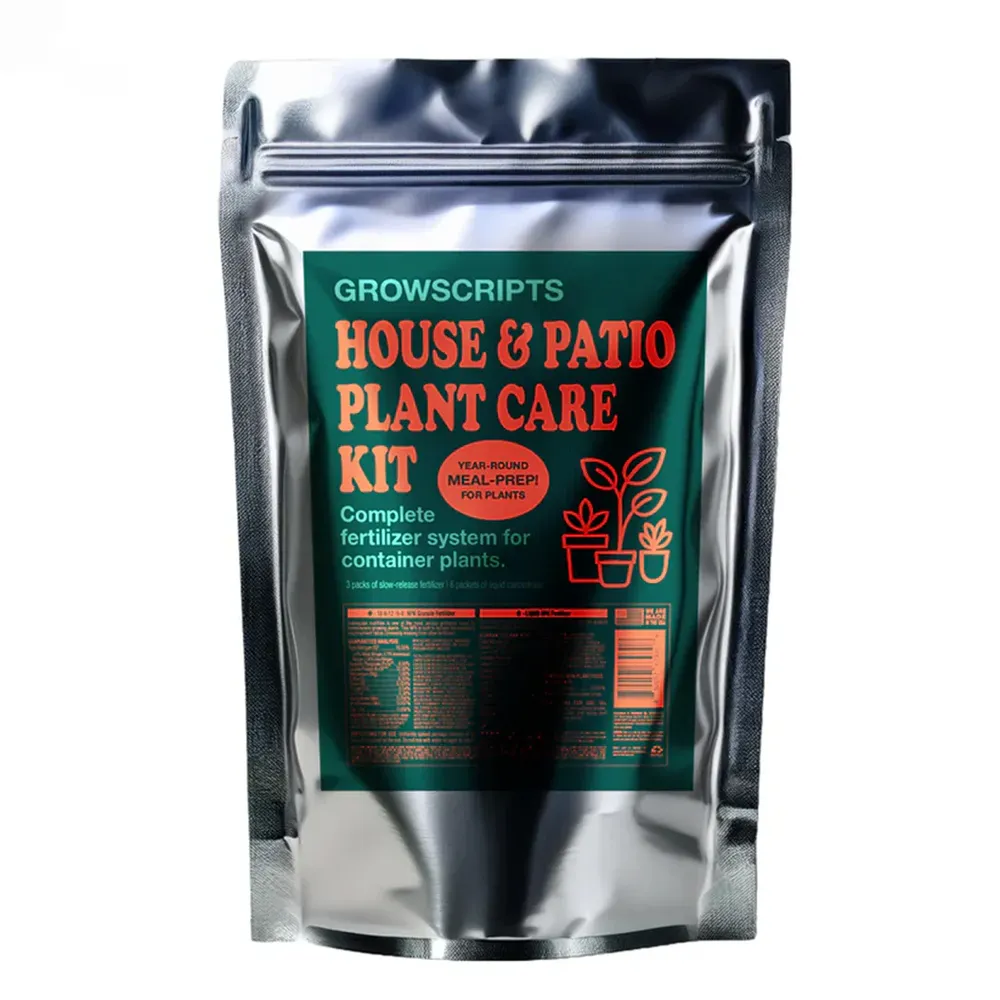
House and Patio Plant Care Kit - Comprehensive Indoor and Outdoor Fertilizer Set

Citrus Tree Care and Maintenance Kit for Lemon and Fruit Trees