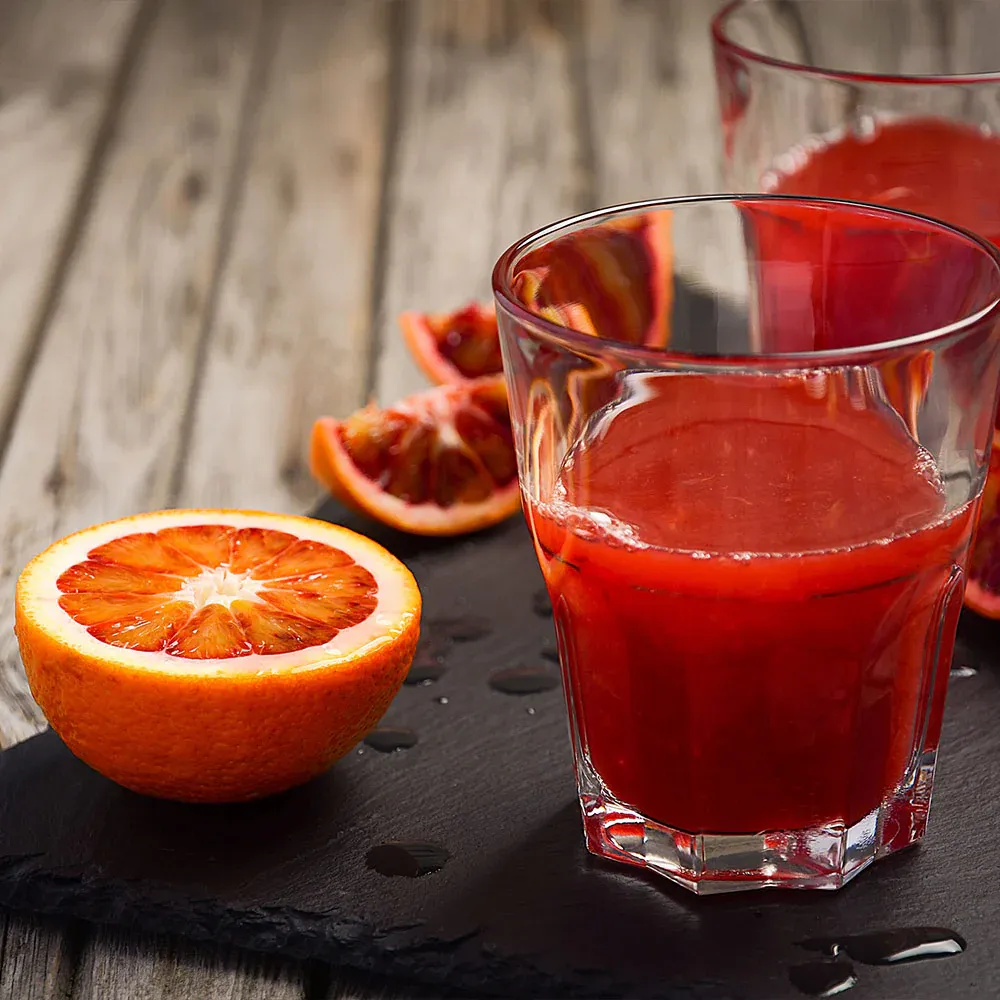
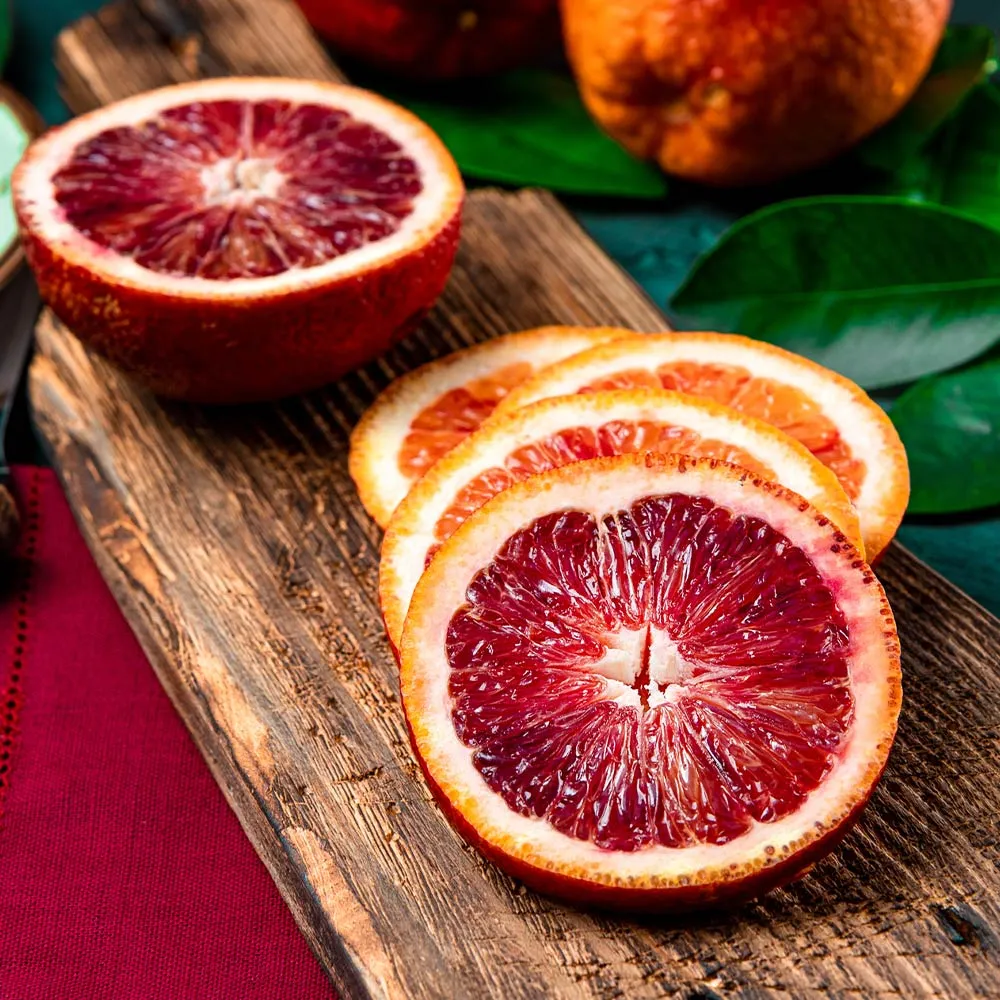
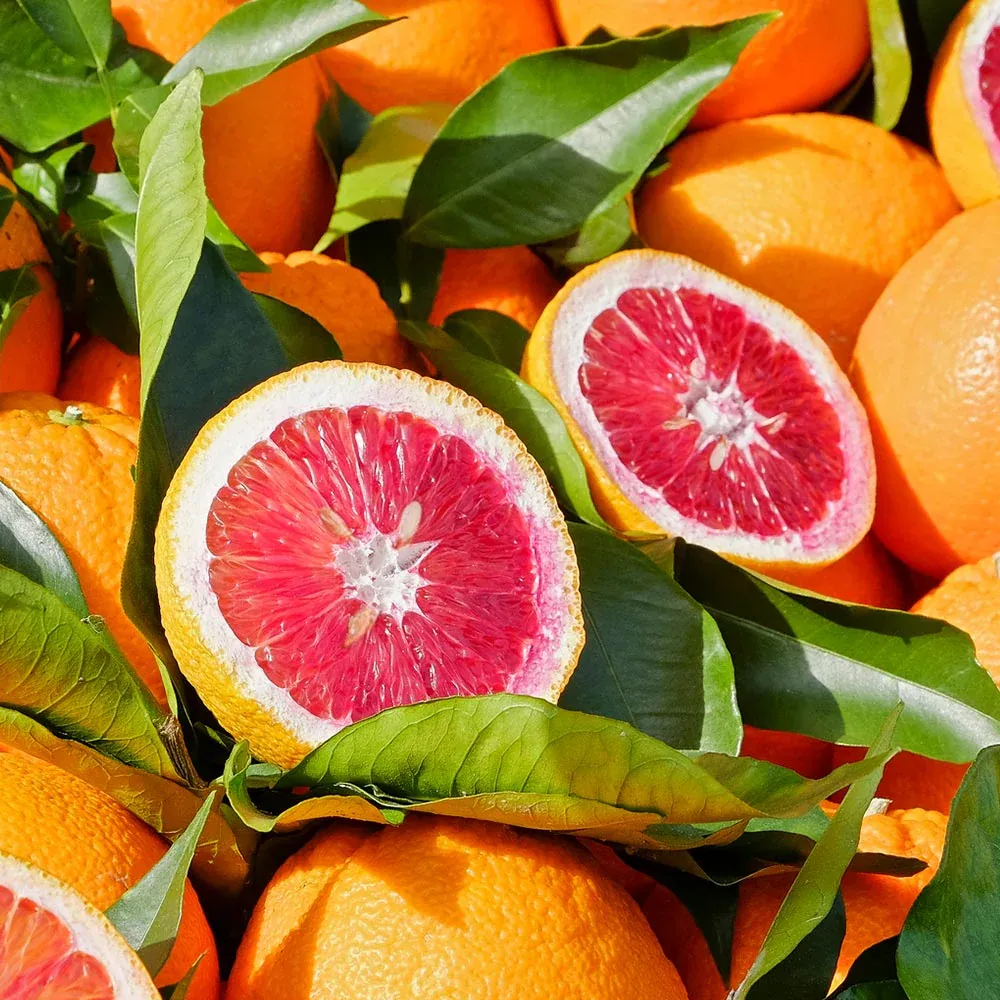
Citrus Sinensis Specimen: Red-Fleshed Fruit-Bearing Plant for Seasonal Harvest
$56.95
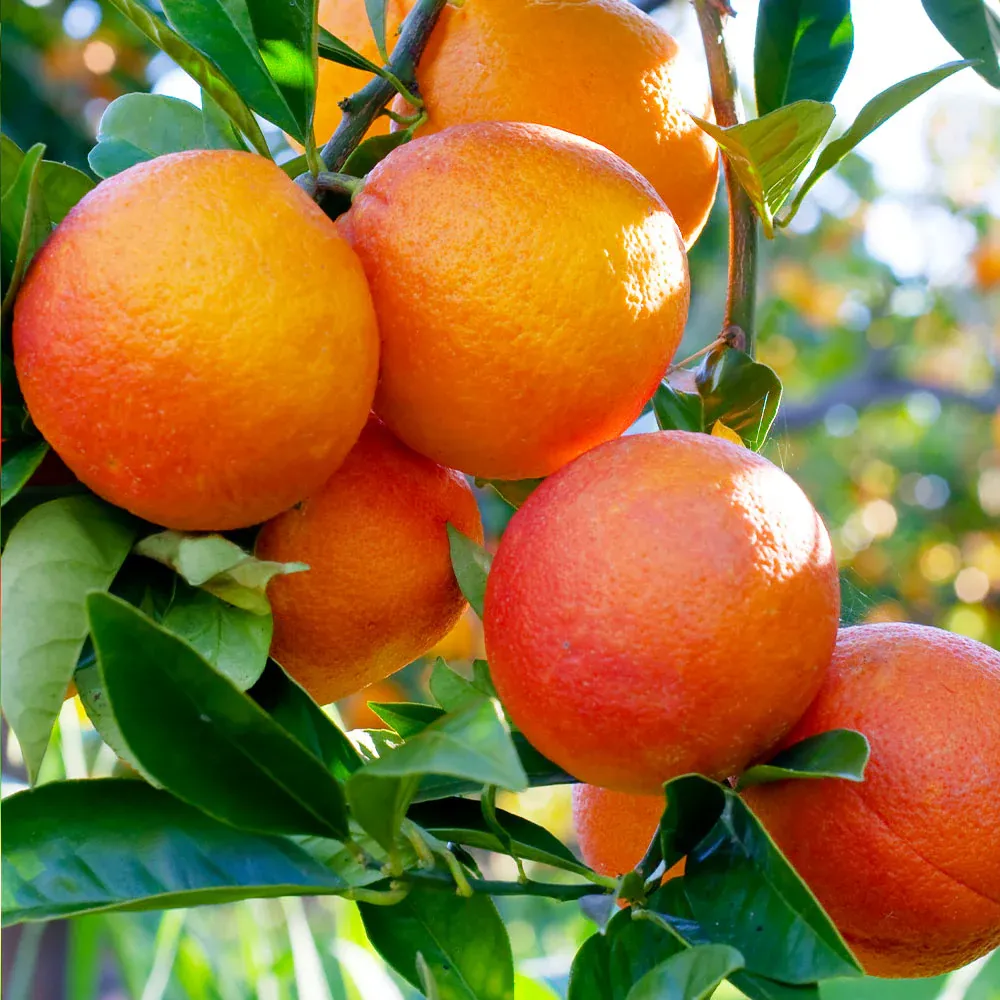
- Produces distinct red-pigmented fruit with complex flavor characteristics.
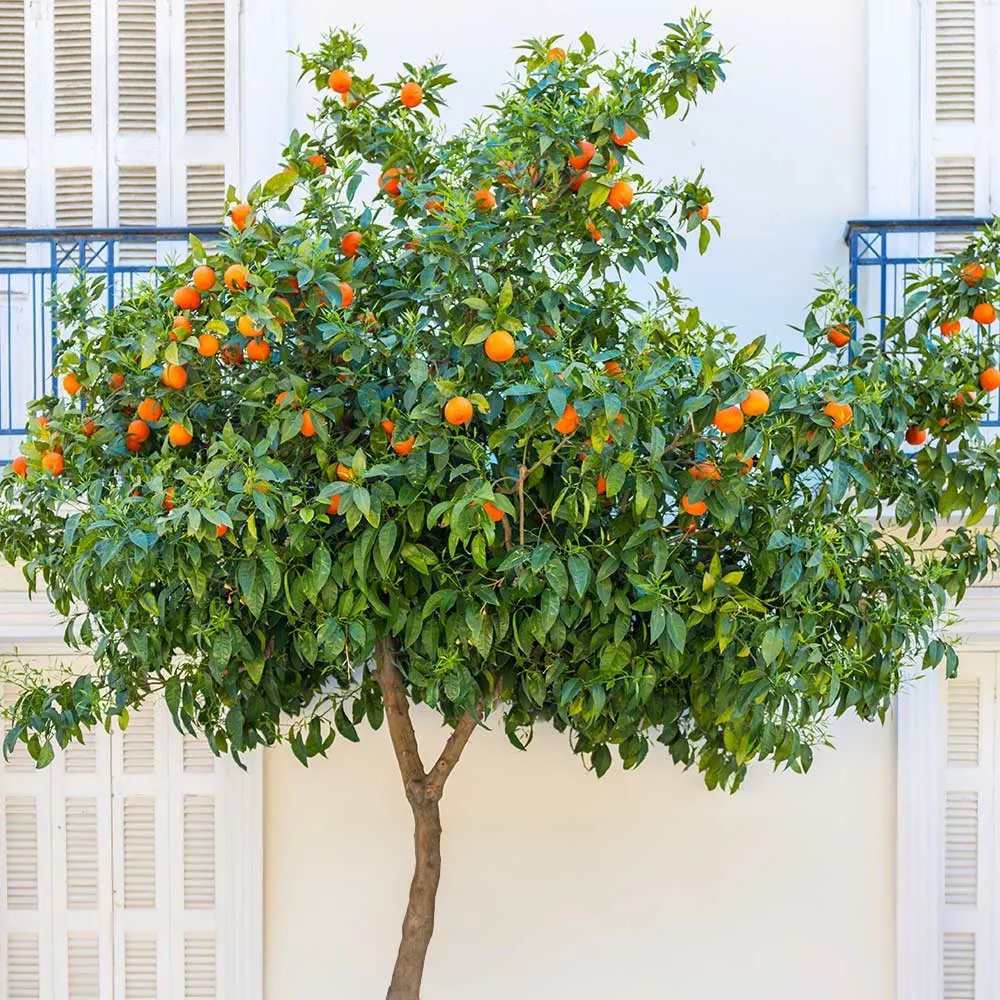
- Versatile growth habit suitable for large containers or permanent landscape installation.
- Requires consistent solar exposure for sustained vegetative and fruit development.
- Resilient evergreen foliage provides year-round aesthetic value.
Size: 1-2 ft.
Cultivating the Citrus Sinensis Red-Fleshed Variety
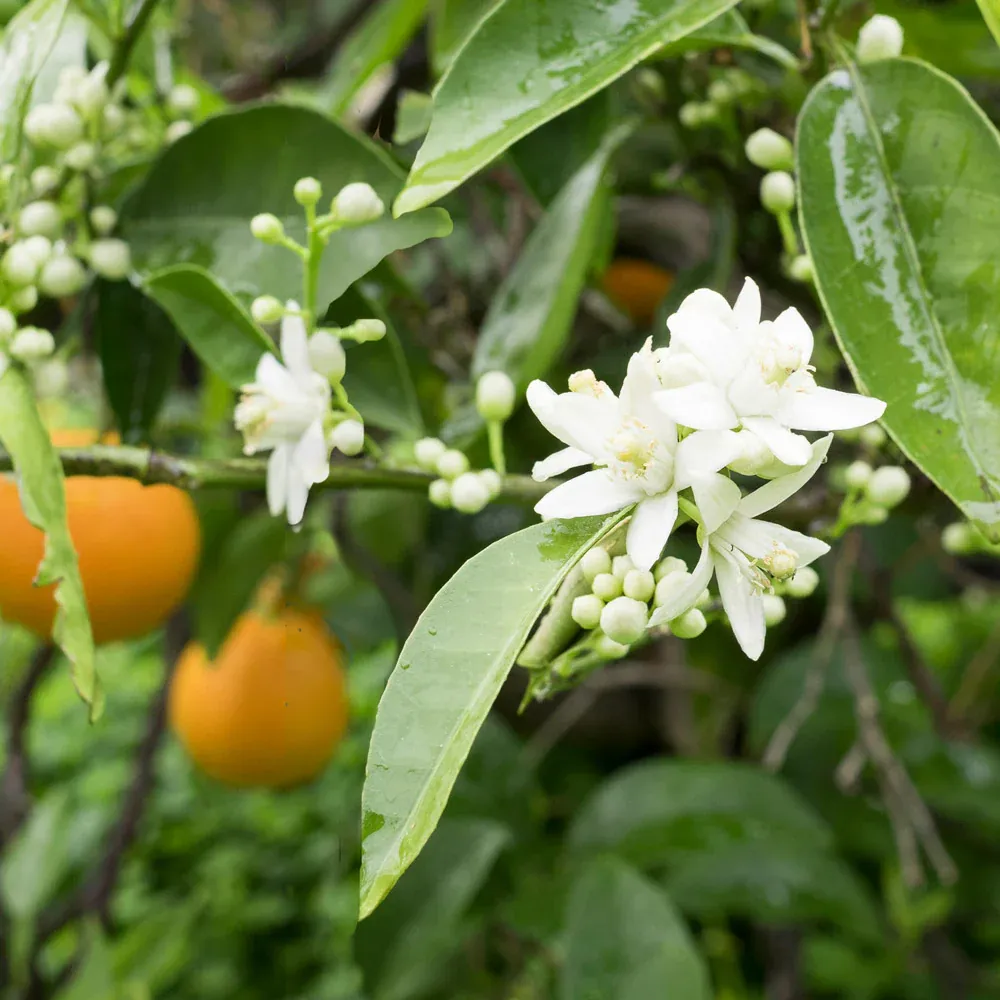
The Citrus Sinensis red-fleshed specimen is a productive fruit-bearing plant suitable for home orchards and ornamental garden settings. This variety is recognized for its unique internal coloration and flavor profile, requiring specific environmental conditions to reach maturity and produce fruit consistently.
Horticultural Care and Environmental Management
To support the development of this citrus plant, specific attention to environmental variables is necessary:
- Solar Exposure: This plant requires a minimum of 6 to 8 hours of direct, unfiltered sunlight daily to facilitate photosynthesis and fruit development.
- Soil Composition: Utilize well-draining, slightly acidic soil. Proper drainage is a critical factor in preventing root saturation and maintaining long-term plant health.
- Moisture Control: Implement a consistent watering schedule. Ensure the soil surface is allowed to achieve moderate dryness between irrigation cycles to support root respiration.
- Temperature Regulation: While hardy in temperate zones, this plant necessitates protection from freezing temperatures. Container cultivation is advised for regions experiencing winter frost to facilitate relocation to climate-controlled environments.
Maintaining Plant Health
Regular monitoring for common citrus-related pests is recommended to preserve leaf integrity and tree vigor. Providing adequate spacing and ensuring sufficient airflow around the canopy reduces the risk of moisture-related foliage issues. By maintaining these environmental standards, the plant can sustain its growth cycle effectively.
You May Also Like
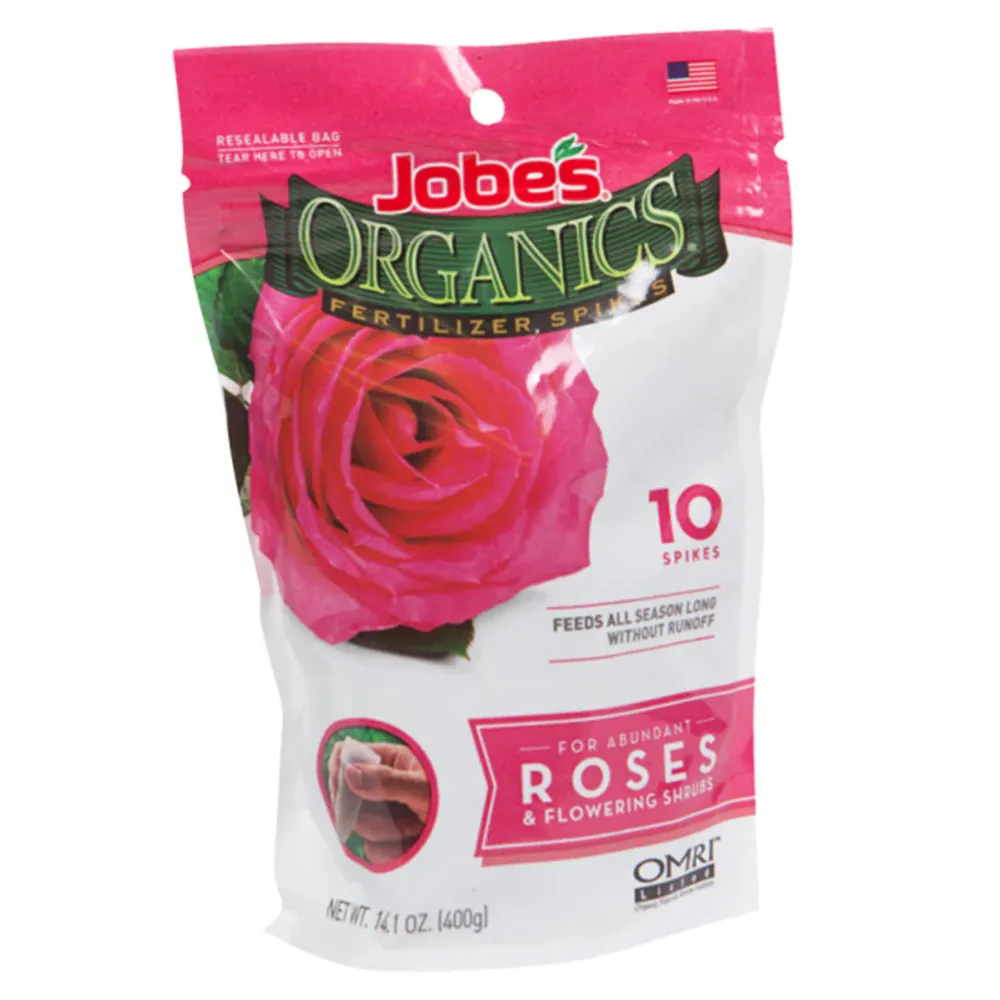
Jobe's Rose Fertilizer Spikes - Slow-Release Nutrient Delivery System
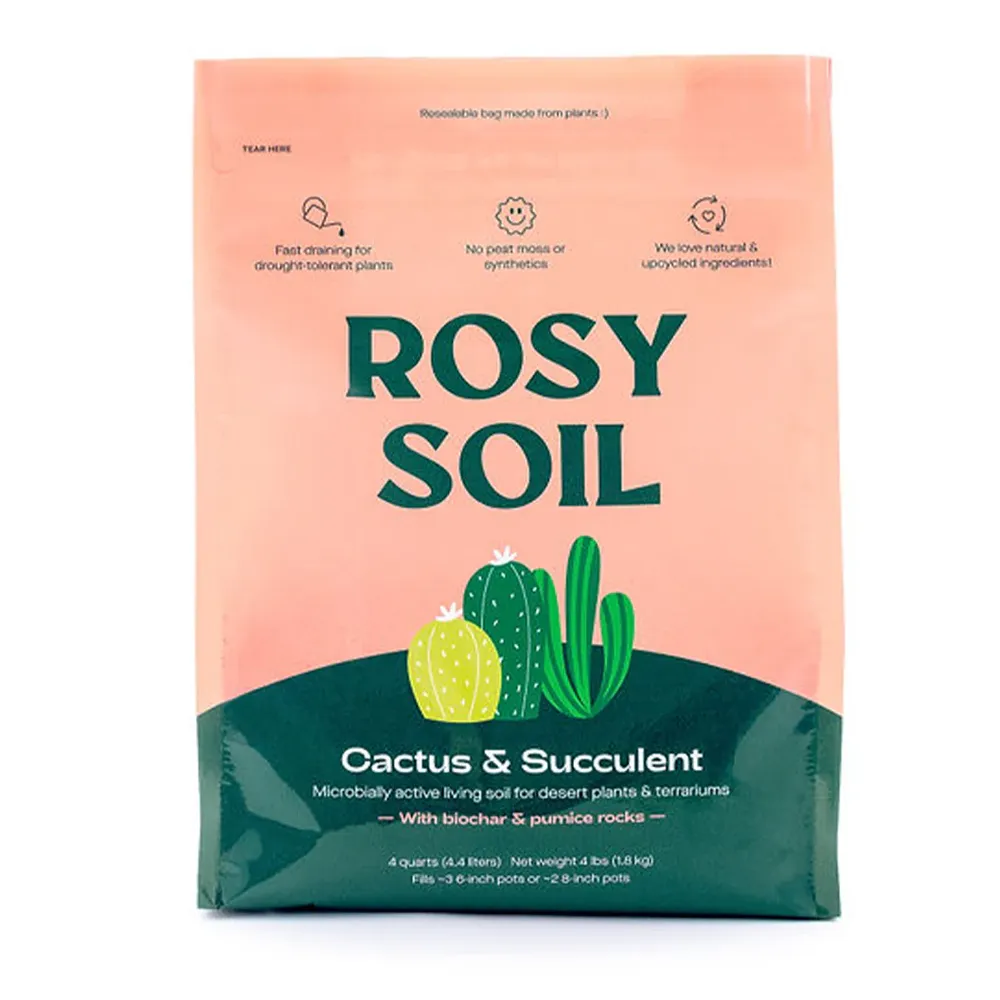
Cactus and Succulent Potting Mix - Fast-Draining Soil Blend for Indoor Plants
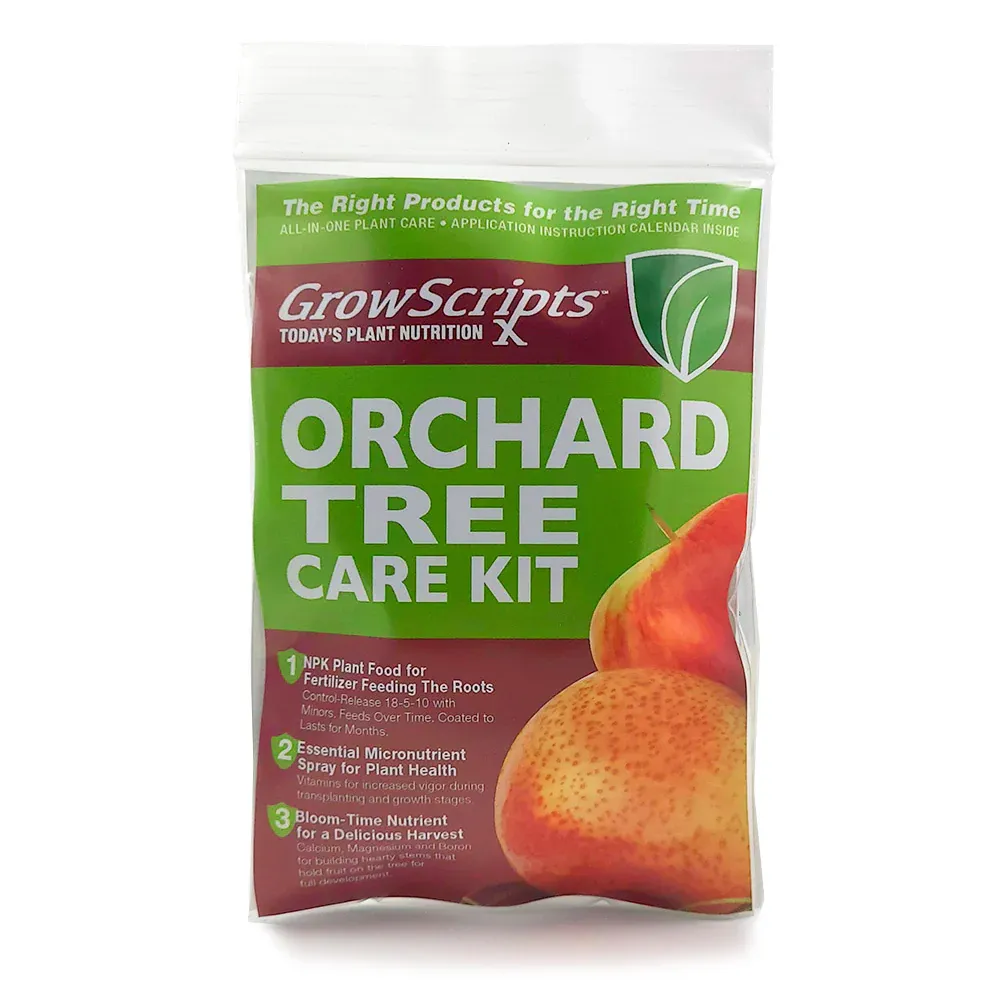
Orchard Tree Care Kit for Fruit Tree Growth and Maintenance
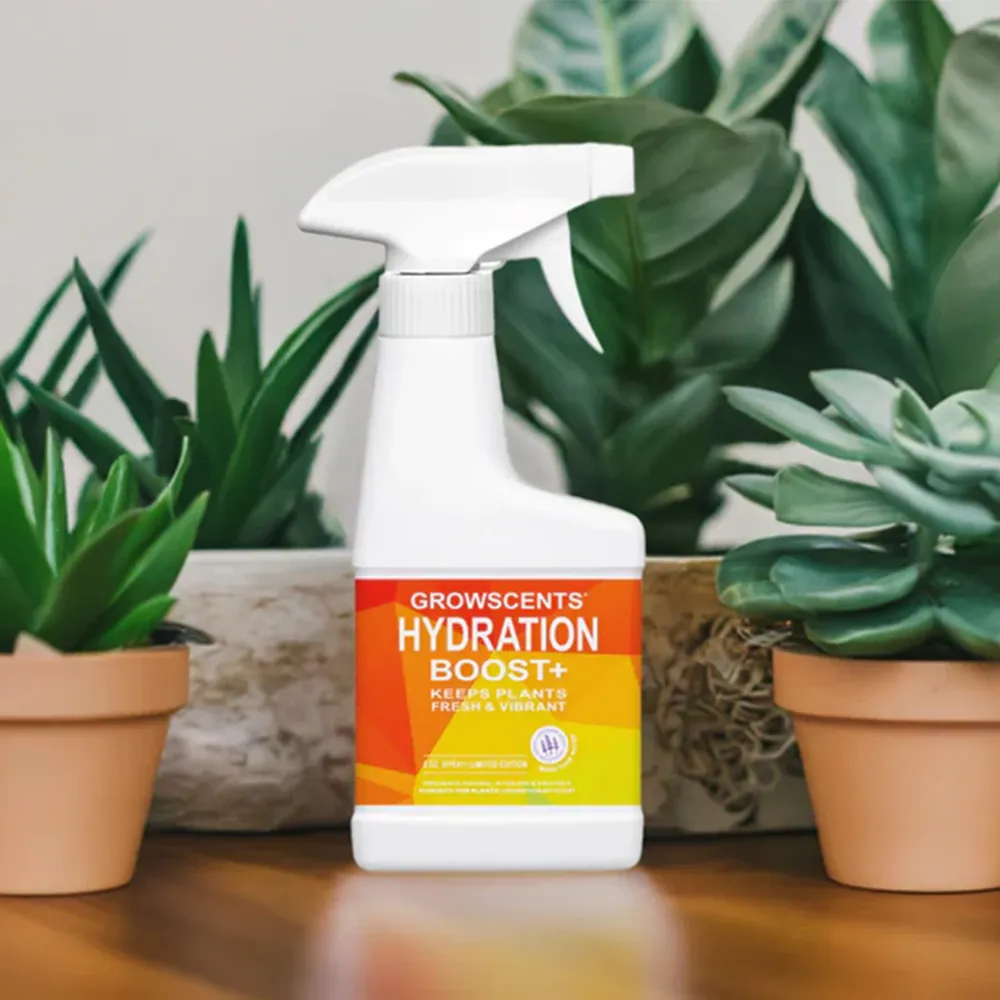
Hydration Boost + Electrolyte Supplement Powder for Daily Hydration Support
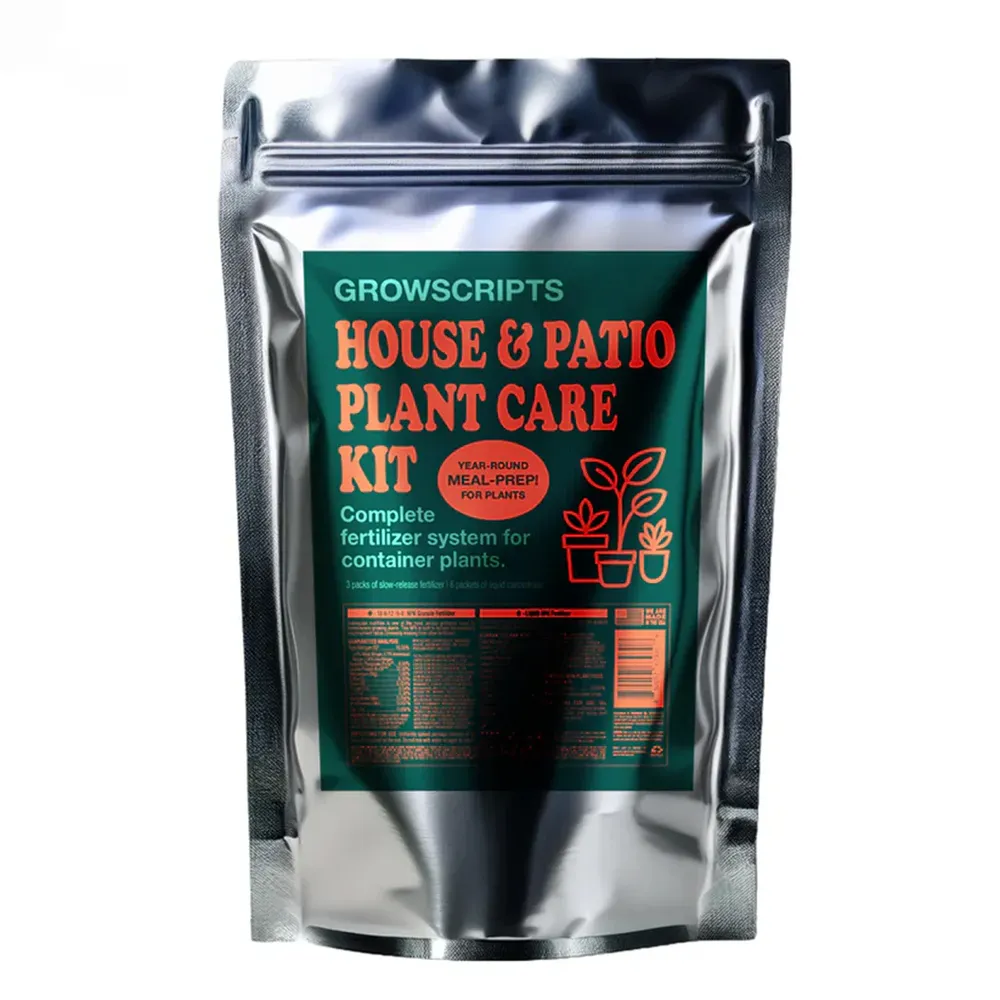
House and Patio Plant Care Kit - Comprehensive Indoor and Outdoor Fertilizer Set
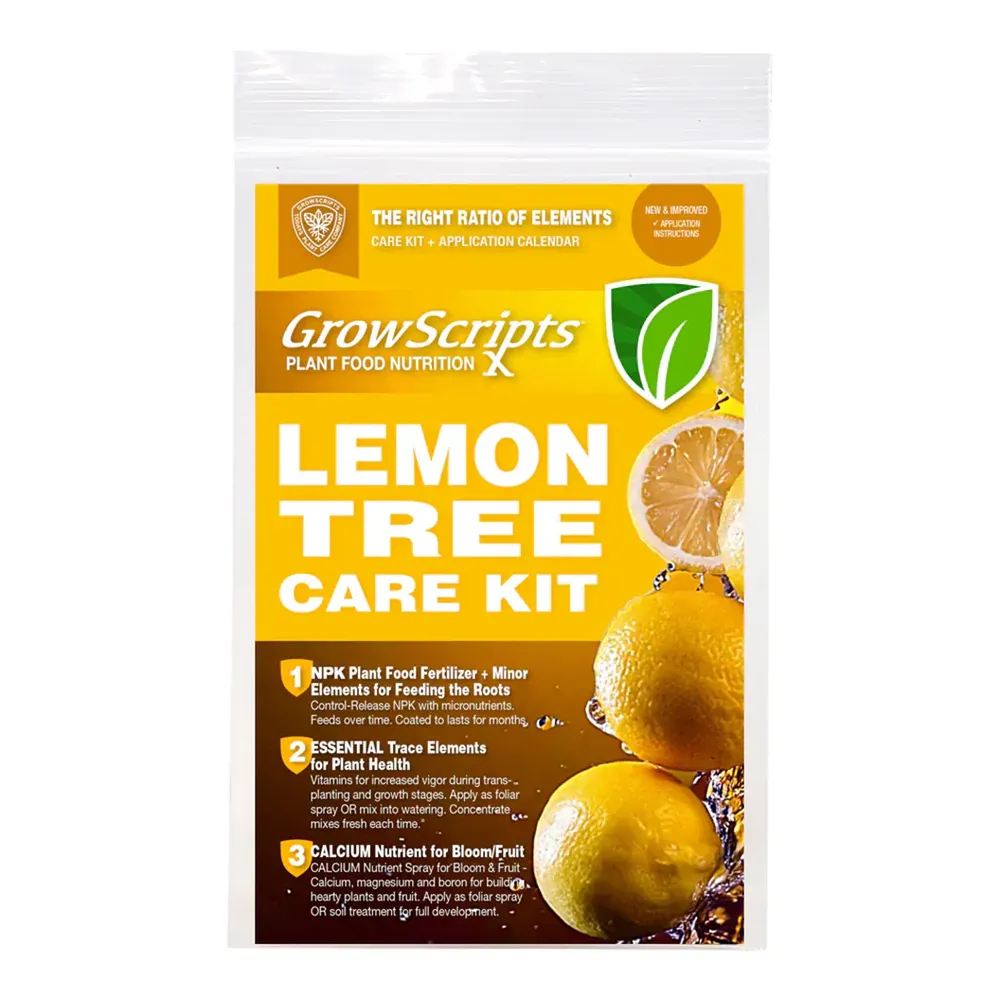
Citrus Tree Care and Maintenance Kit for Lemon and Fruit Trees