
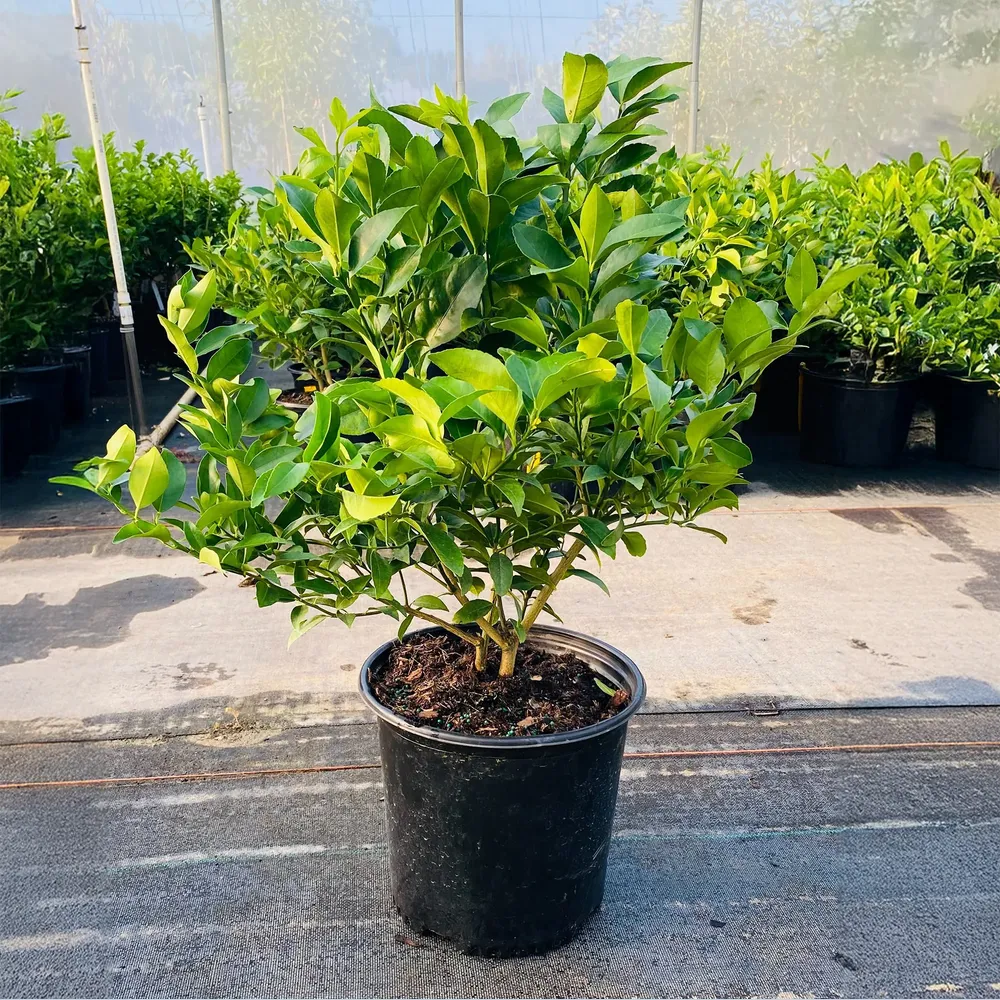
Citrus latifolia Bearss Lime Plant - Seedless Fruit Tree for Patios
$118.95
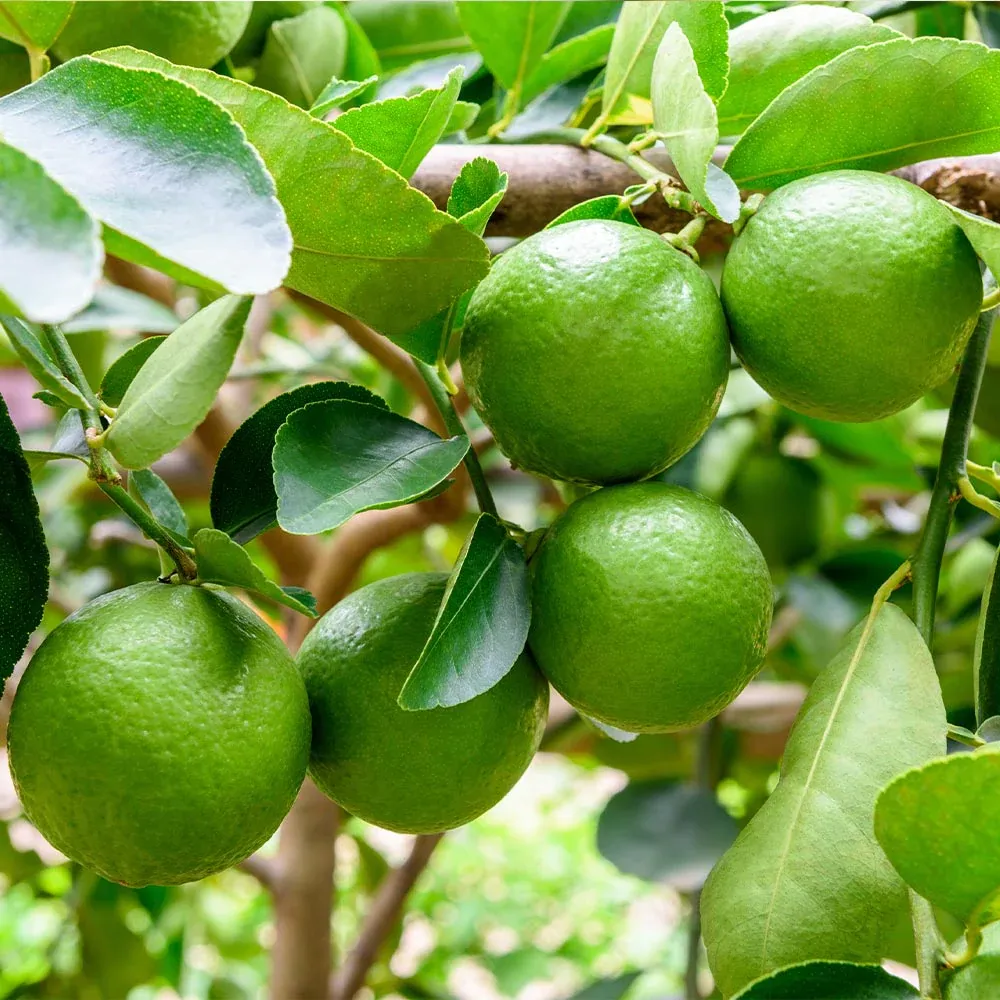
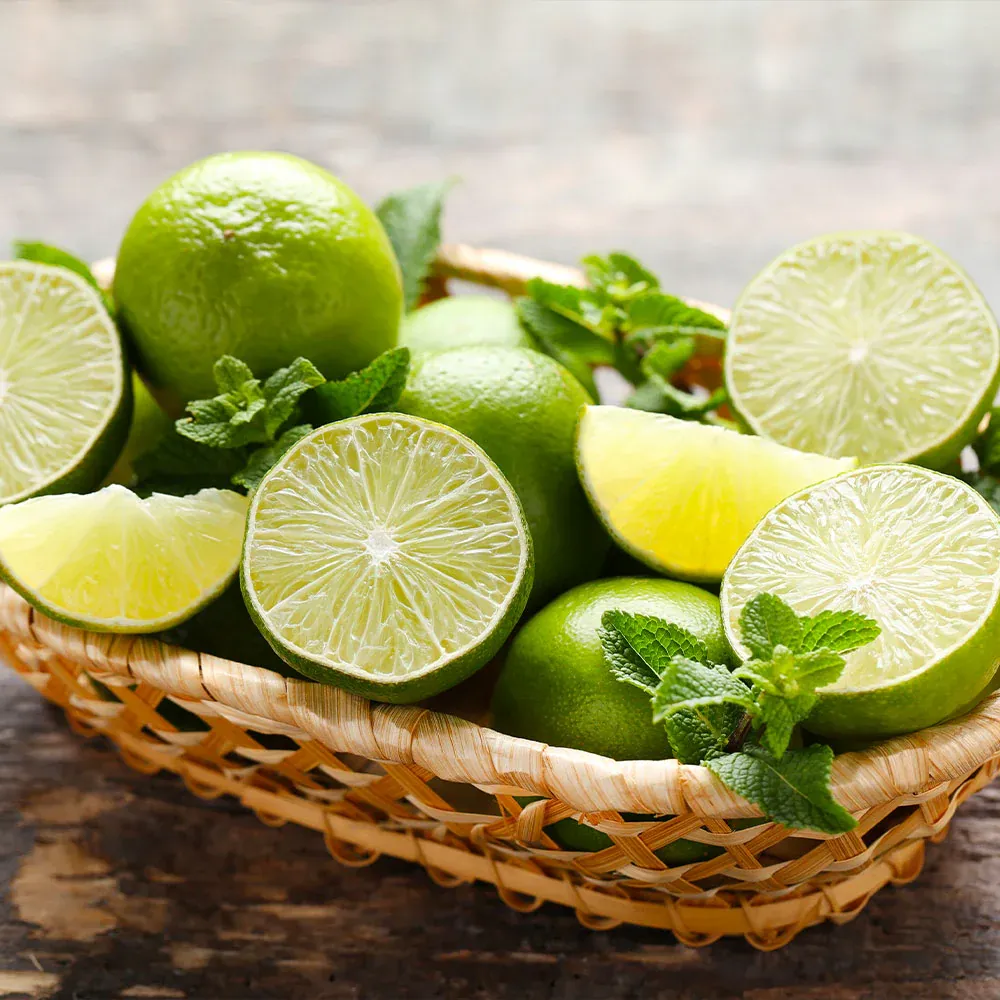
- Cultivates seedless, culinary-grade limes suitable for year-round harvest in appropriate climates.
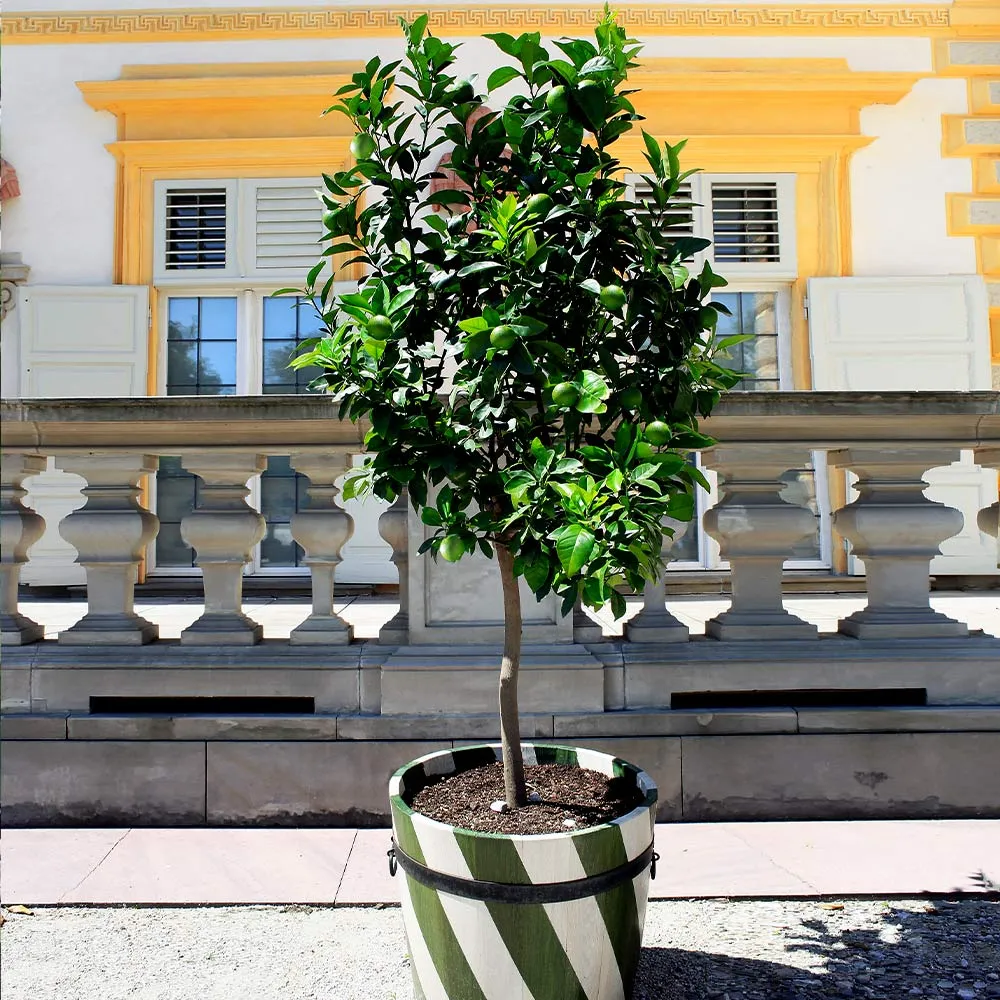
- Features evergreen, glossy foliage that serves as a decorative element for patios and sunrooms.
- Designed for adaptability, performing well in both large containers and garden soil.
- Produces aromatic, white citrus blossoms during the flowering cycle.
Size: 2-3 feet
Citrus latifolia Bearss Lime: A Productive Home Orchard Addition
The Bearss Lime, scientifically classified as Citrus latifolia, is a robust citrus variety known for its reliable production of seedless, flavorful fruit. This plant is a practical selection for those looking to integrate fruit-bearing trees into their home landscape or patio collection. Its evergreen nature ensures the plant retains its visual appeal throughout the changing seasons.
Cultivation and Environmental Management
To support healthy development, place the plant in a location that provides consistent, direct sunlight. When managing this tree in a container, utilize a high-quality, porous potting medium to facilitate proper drainage and aeration. Given its sensitivity to freezing temperatures, the plant requires protection in climates where temperatures drop below 32°F (0°C). Moving the container to a protected, frost-free environment during winter months is essential for the longevity of the tree.
Ongoing Plant Maintenance
- Hydration: Apply water when the top layer of soil becomes dry to the touch. Ensure the container has adequate drainage holes to prevent water retention at the root base.
- Nutrient Application: Apply a citrus-formulated fertilizer according to the manufacturer's recommended schedule during the spring and summer months to promote fruit development.
- Structural Upkeep: Prune selectively to remove dead or overlapping branches, which improves canopy air circulation and light penetration.
- Monitoring: Inspect the underside of leaves periodically for signs of common pests, ensuring early intervention to maintain plant health.
You May Also Like
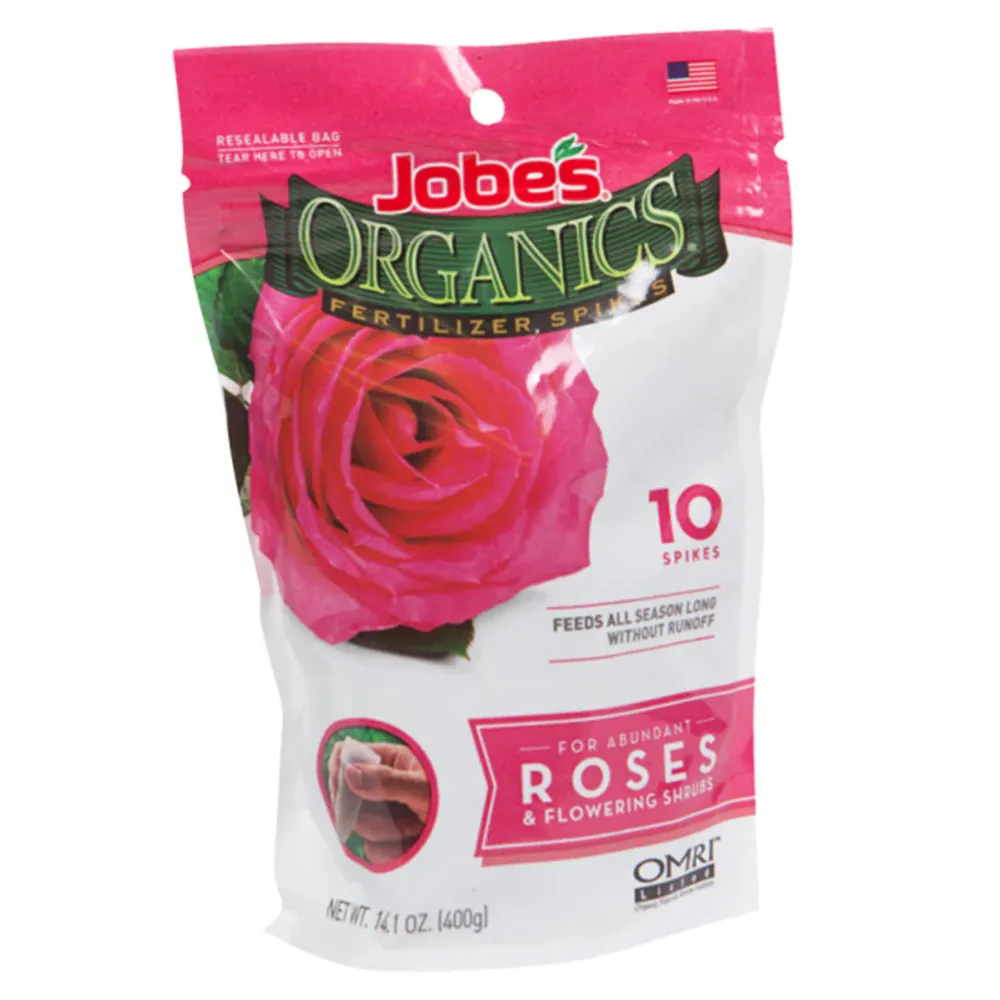
Jobe's Rose Fertilizer Spikes - Slow-Release Nutrient Delivery System
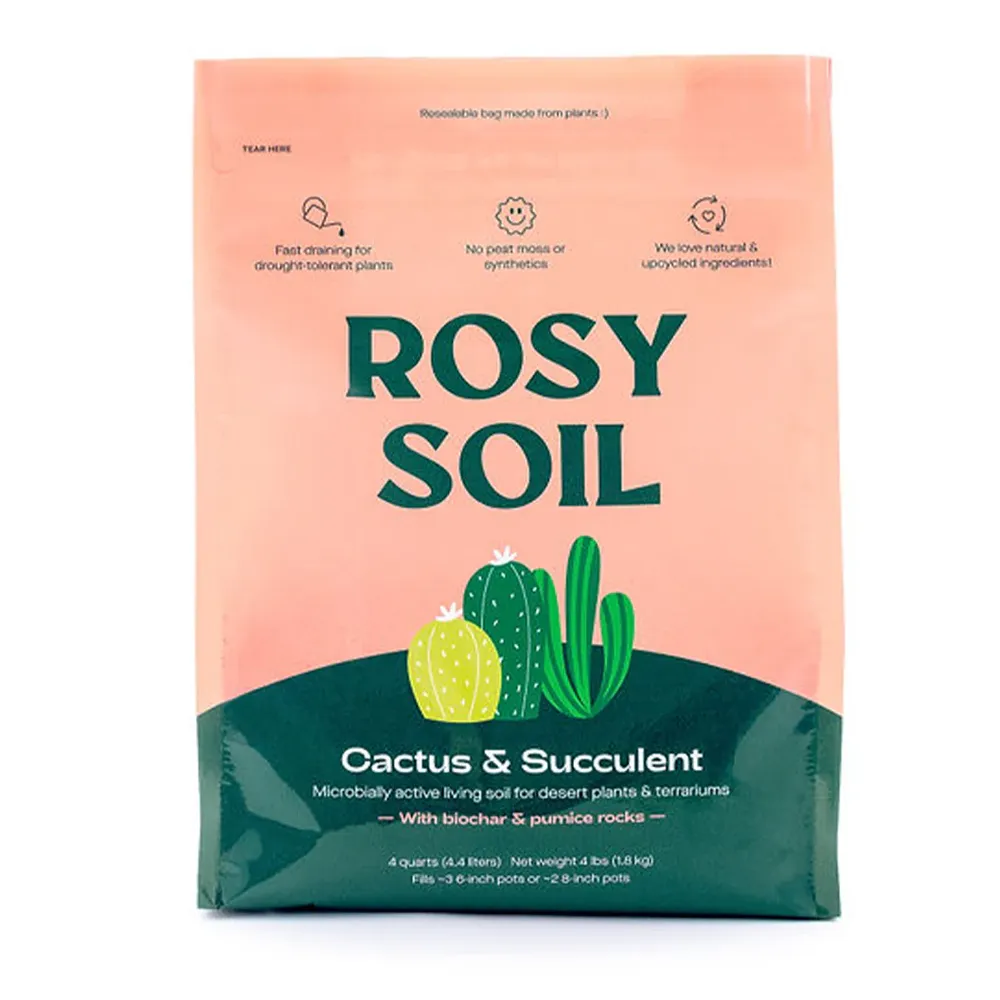
Cactus and Succulent Potting Mix - Fast-Draining Soil Blend for Indoor Plants
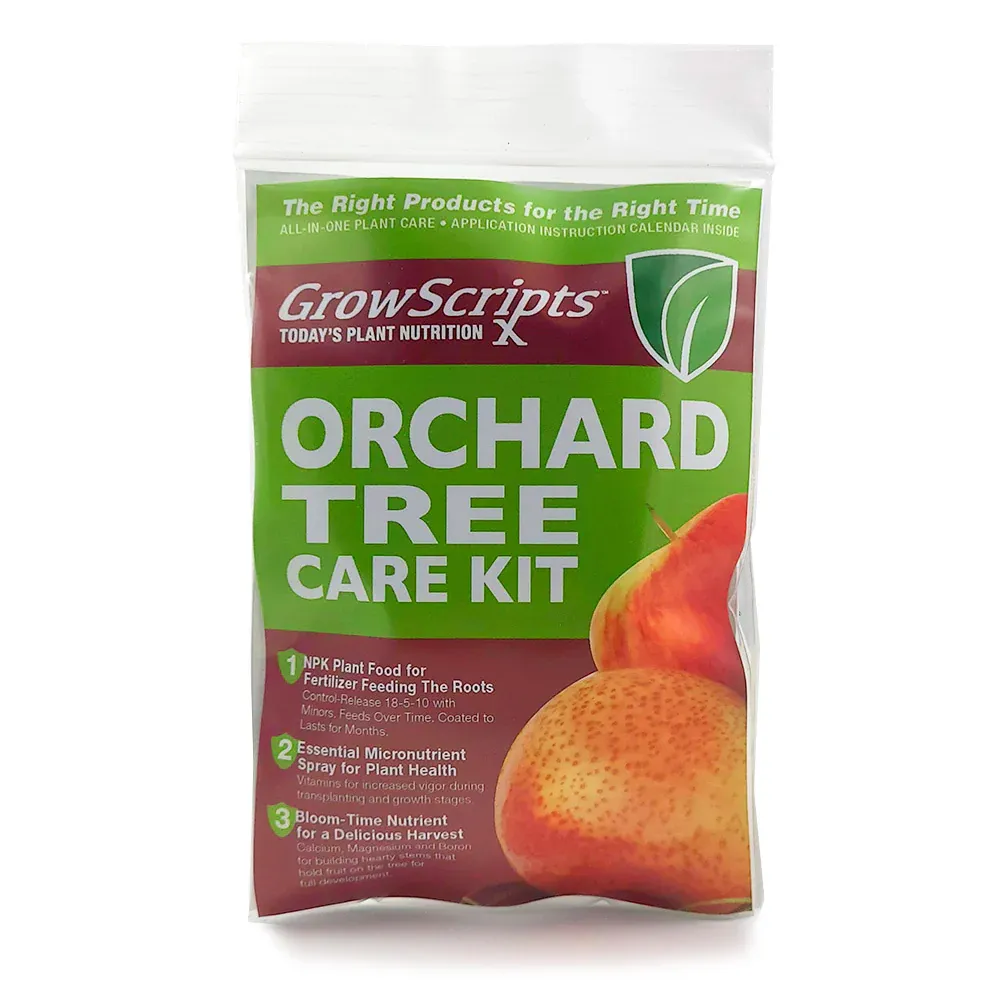
Orchard Tree Care Kit for Fruit Tree Growth and Maintenance
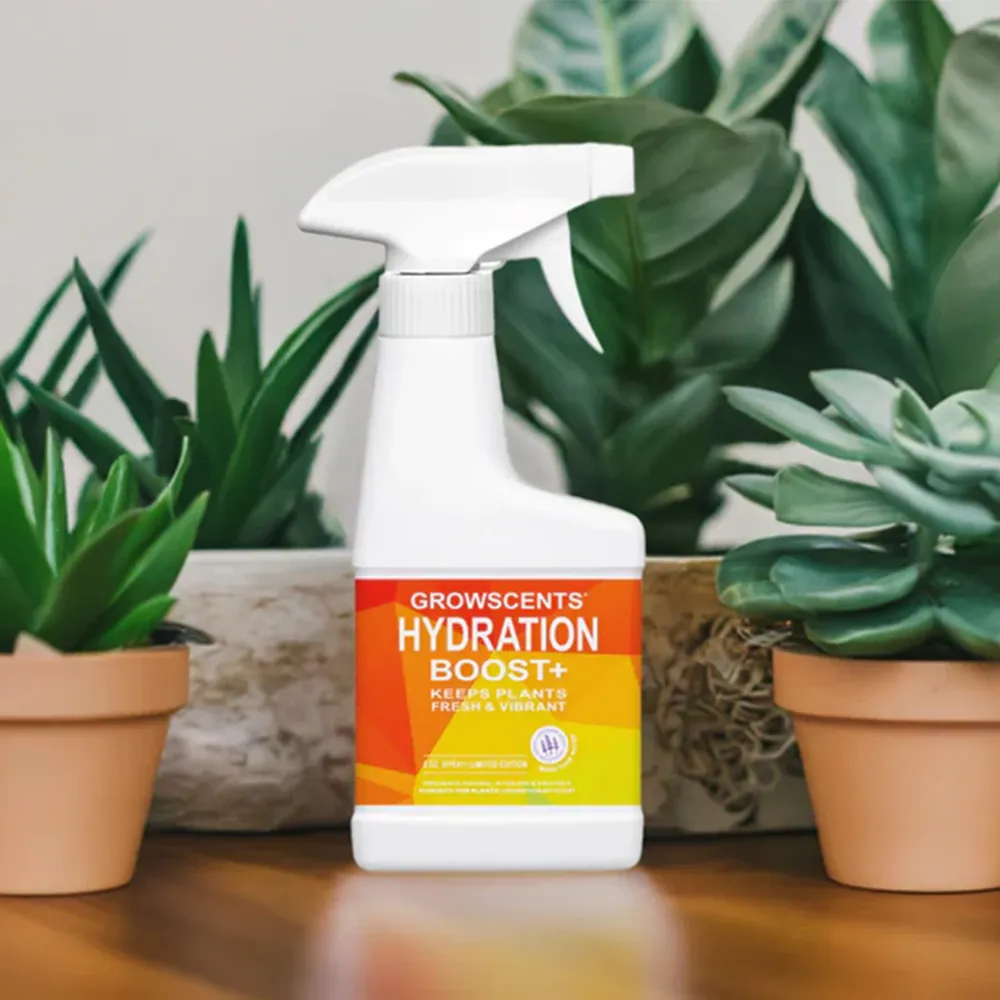
Hydration Boost + Electrolyte Supplement Powder for Daily Hydration Support
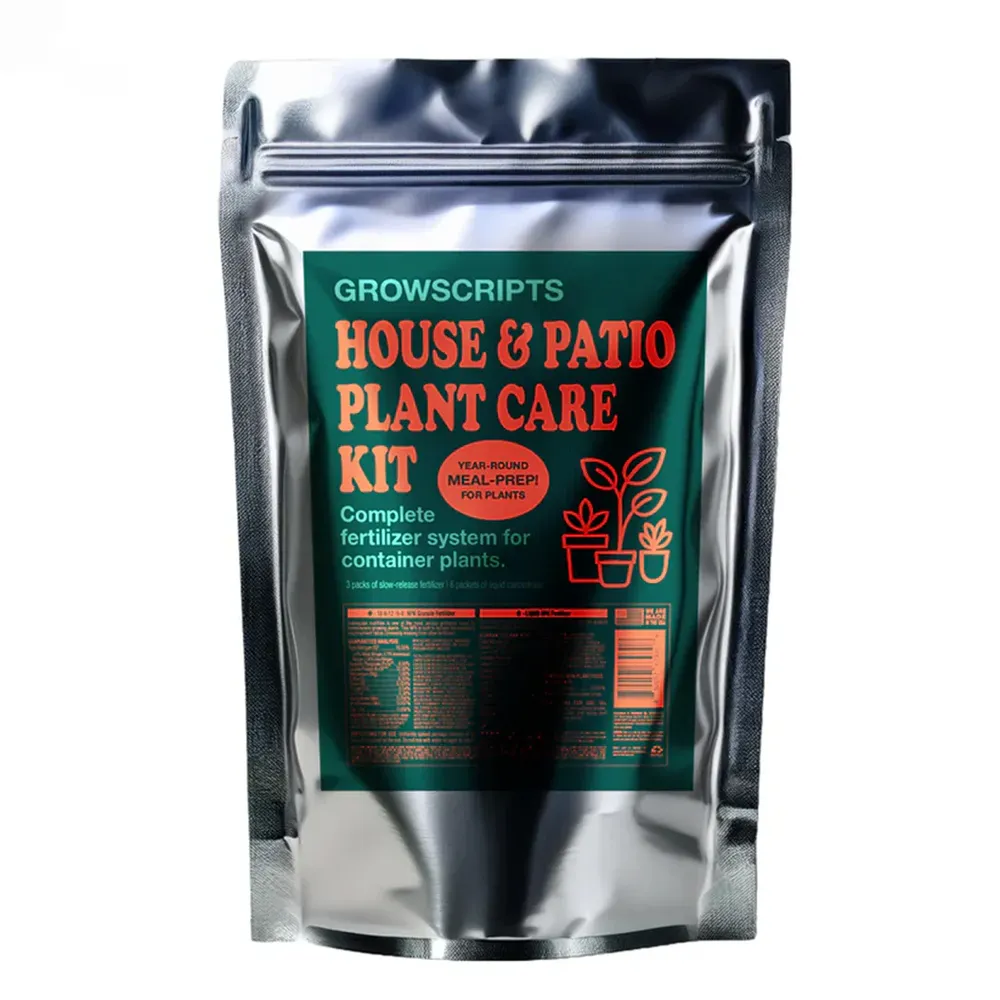
House and Patio Plant Care Kit - Comprehensive Indoor and Outdoor Fertilizer Set
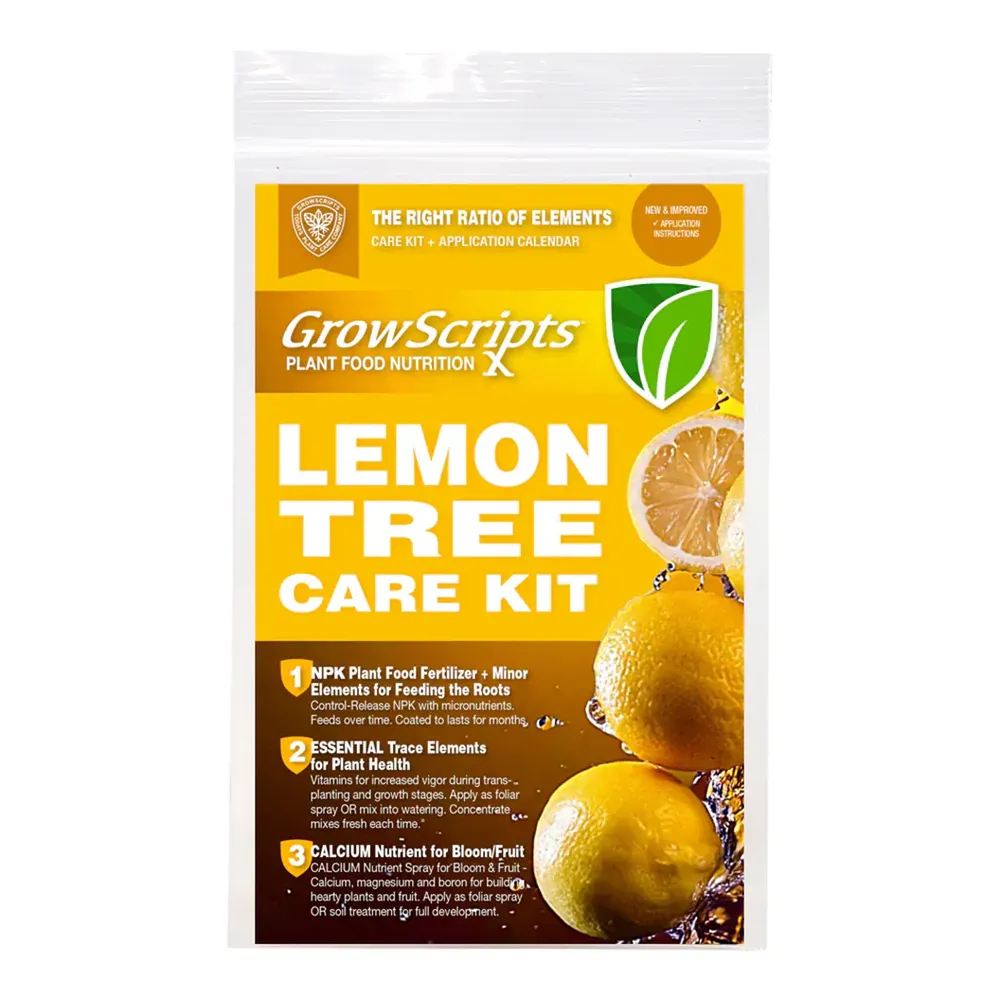
Citrus Tree Care and Maintenance Kit for Lemon and Fruit Trees