Bur Oak Tree (Quercus macrocarpa) Native Deciduous Shade Tree
$75.95
- Native North American deciduous species (Quercus macrocarpa) known for structural longevity.
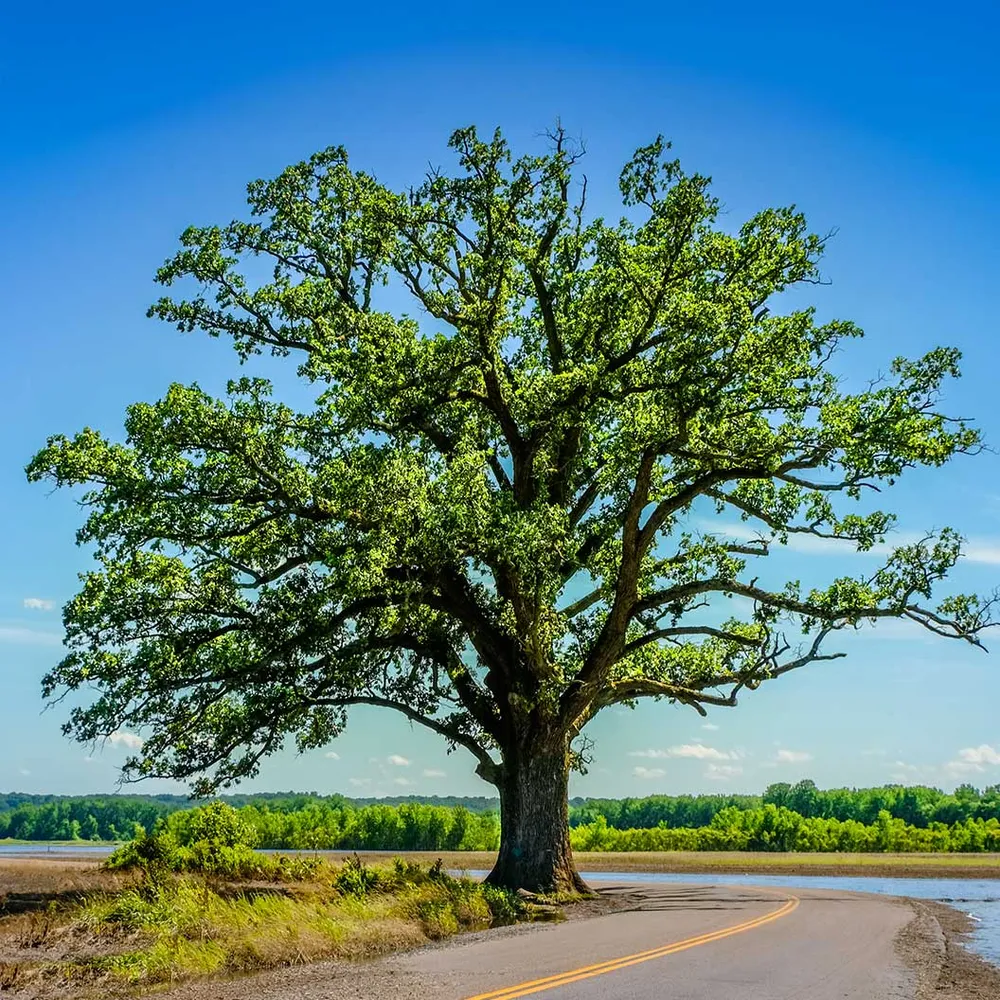
- Features a broad, rounded canopy providing extensive shade coverage.
- High tolerance for diverse soil types, including clay, loam, and rocky substrates.
- Drought-resistant once established, suitable for varied climate zones.
- Provides essential habitat and food sources for local wildlife populations.
Size: 1-2 feet
Bur Oak (Quercus macrocarpa) Overview
The Bur Oak, scientifically classified as Quercus macrocarpa, is a robust deciduous tree recognized for its massive stature and long-term environmental adaptability. This species is native to North America and is frequently utilized in large-scale landscaping and reforestation projects due to its structural integrity and ability to thrive in challenging soil environments.
Growth and Environmental Adaptability
Unlike many oak varieties, the Bur Oak demonstrates significant resilience in various soil compositions, including heavy clay and limestone-based soils. Its deep taproot system assists in moisture acquisition, contributing to its drought tolerance once the root system is fully established. To mitigate transplant shock, it is recommended to provide consistent irrigation during the initial growing seasons until the tree is acclimated to its permanent location.
Ecological Significance
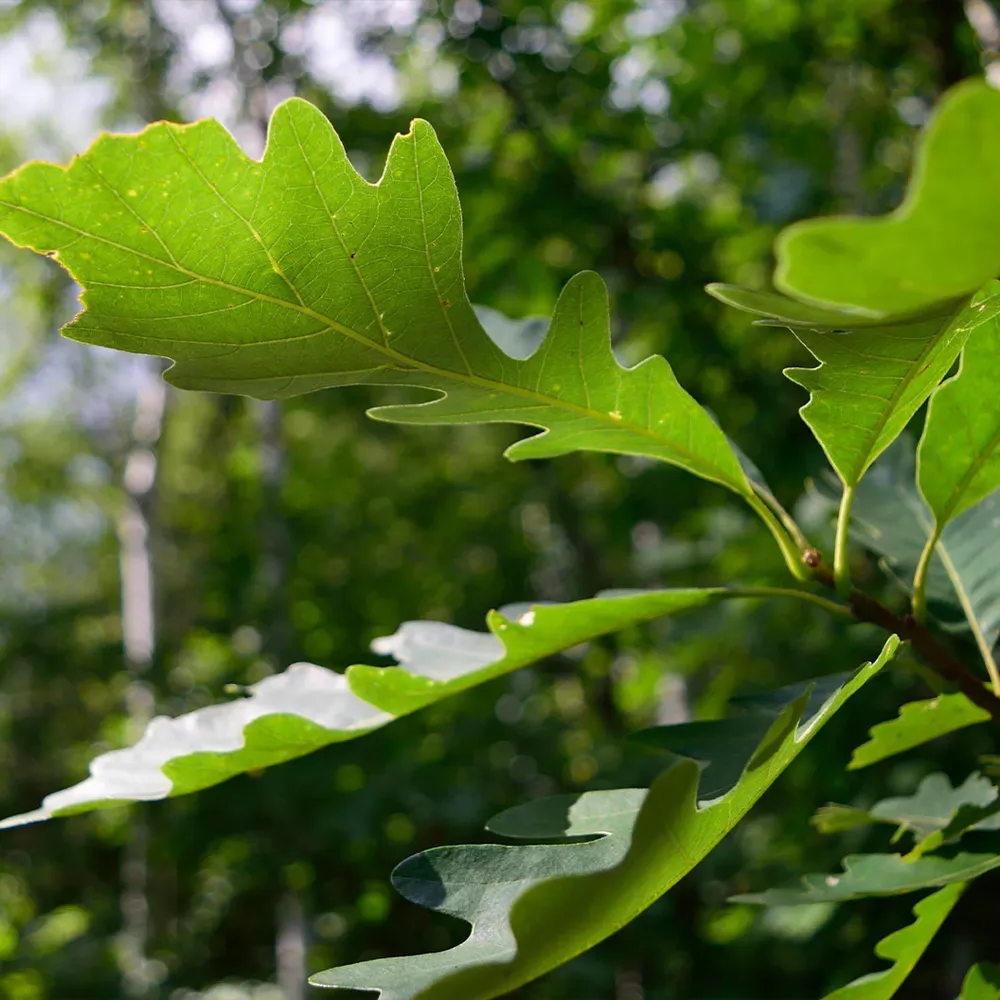
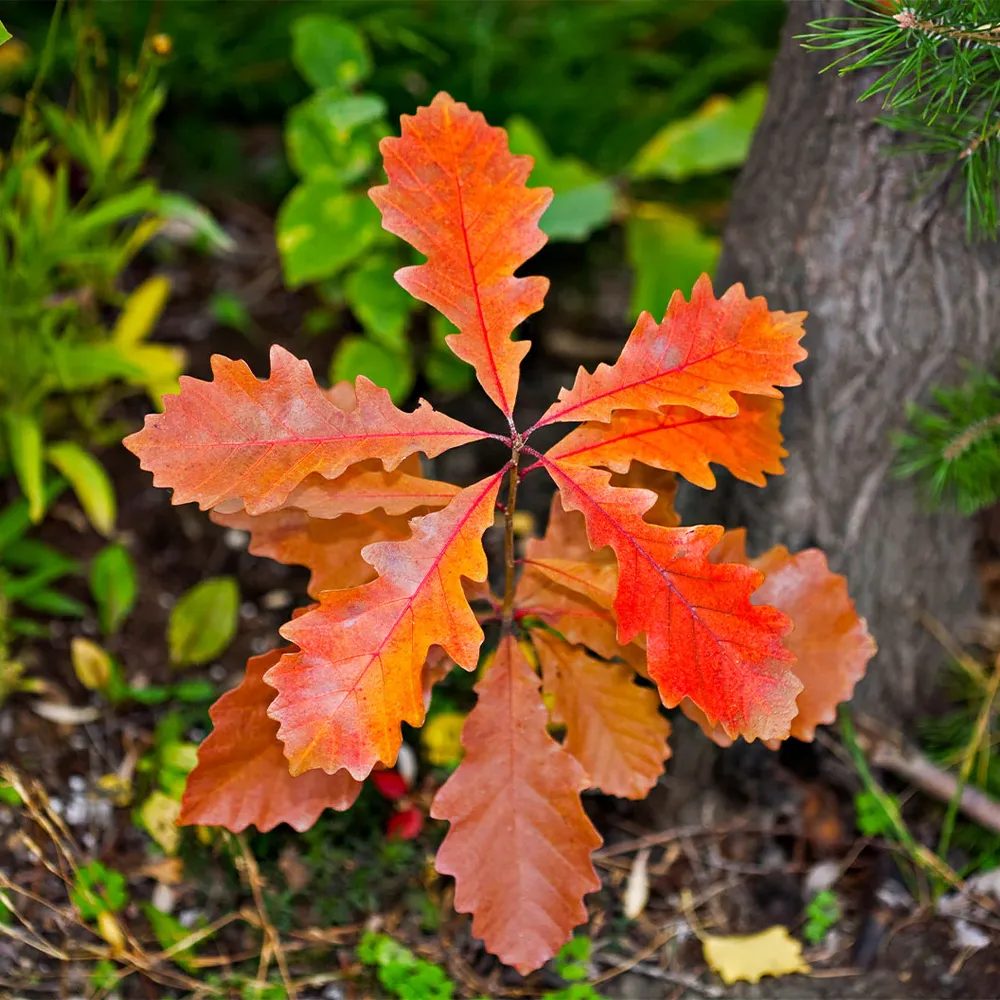
This species serves as a foundational element in local ecosystems. The large, lobed leaves and characteristic acorns provide food and shelter for a variety of avian and mammalian species. Its expansive root structure also contributes to soil stabilization, making it a functional choice for erosion control in open areas or large residential properties.
Maintenance Considerations
While the Bur Oak is known for its slow-to-moderate growth rate, this characteristic contributes to the density and strength of its wood. Proper site selection is essential, as this tree requires significant space to accommodate its wide-spreading canopy at maturity. Regular monitoring for soil moisture levels during the first two years of growth is advised to ensure successful establishment.
You May Also Like
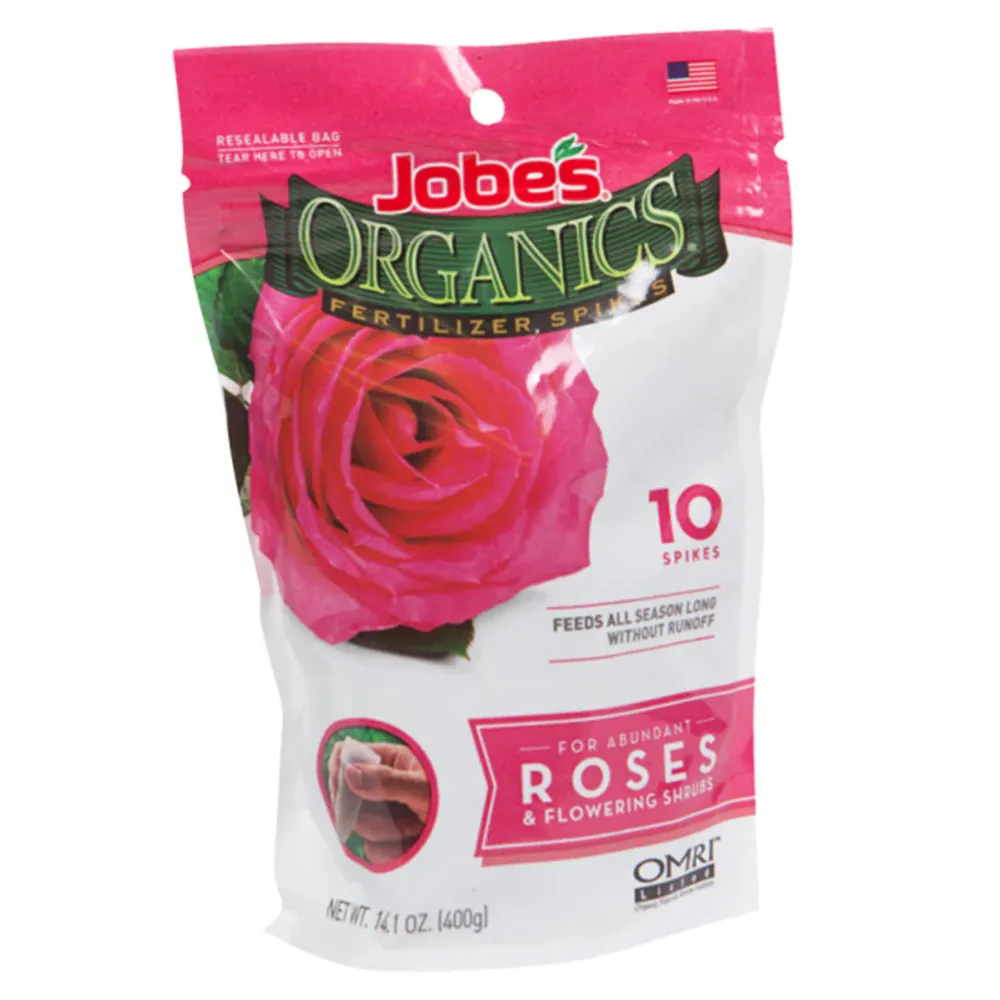
Jobe's Rose Fertilizer Spikes - Slow-Release Nutrient Delivery System
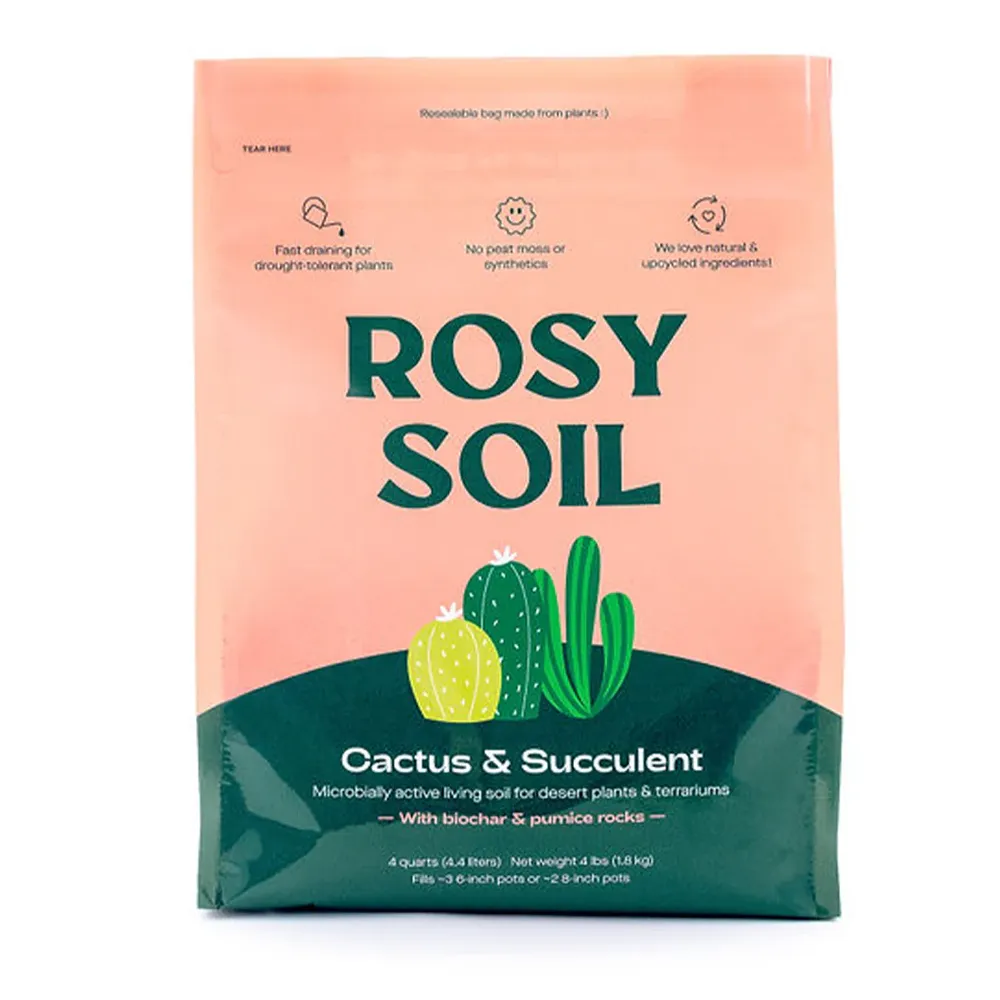
Cactus and Succulent Potting Mix - Fast-Draining Soil Blend for Indoor Plants
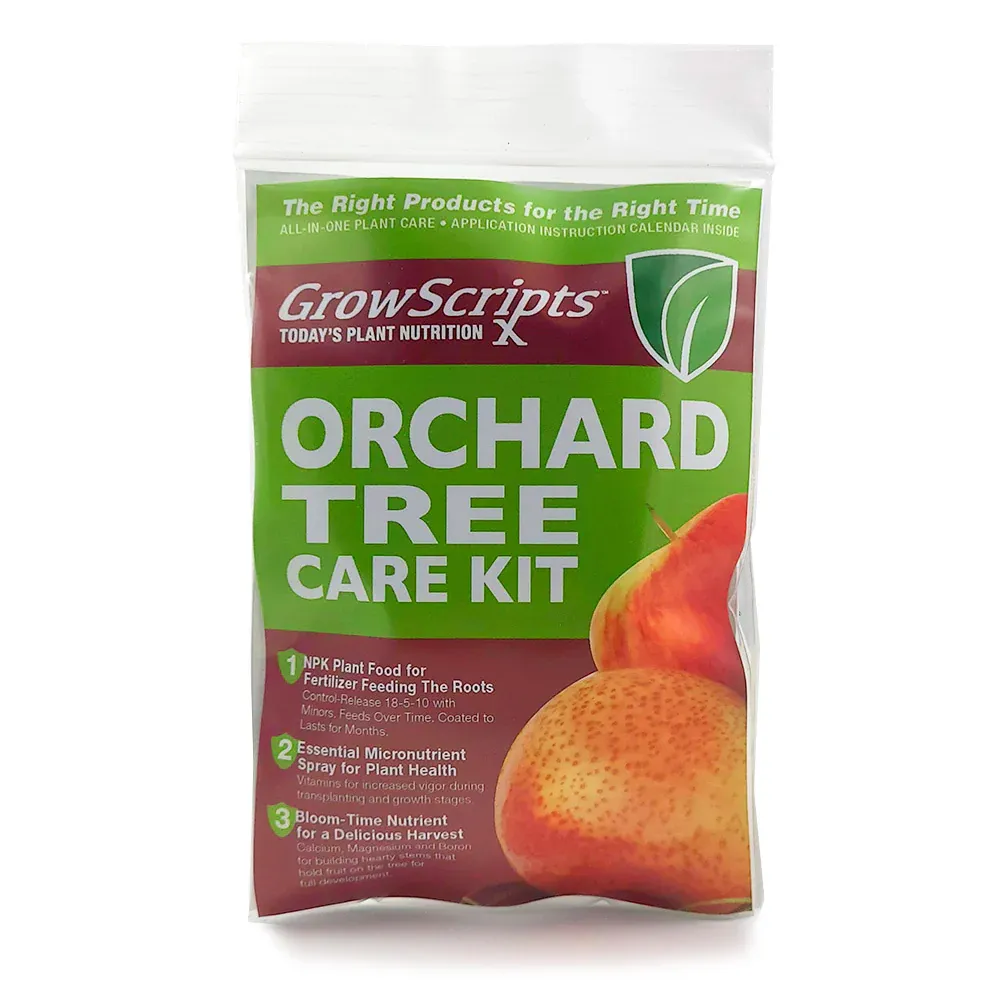
Orchard Tree Care Kit for Fruit Tree Growth and Maintenance

Hydration Boost + Electrolyte Supplement Powder for Daily Hydration Support
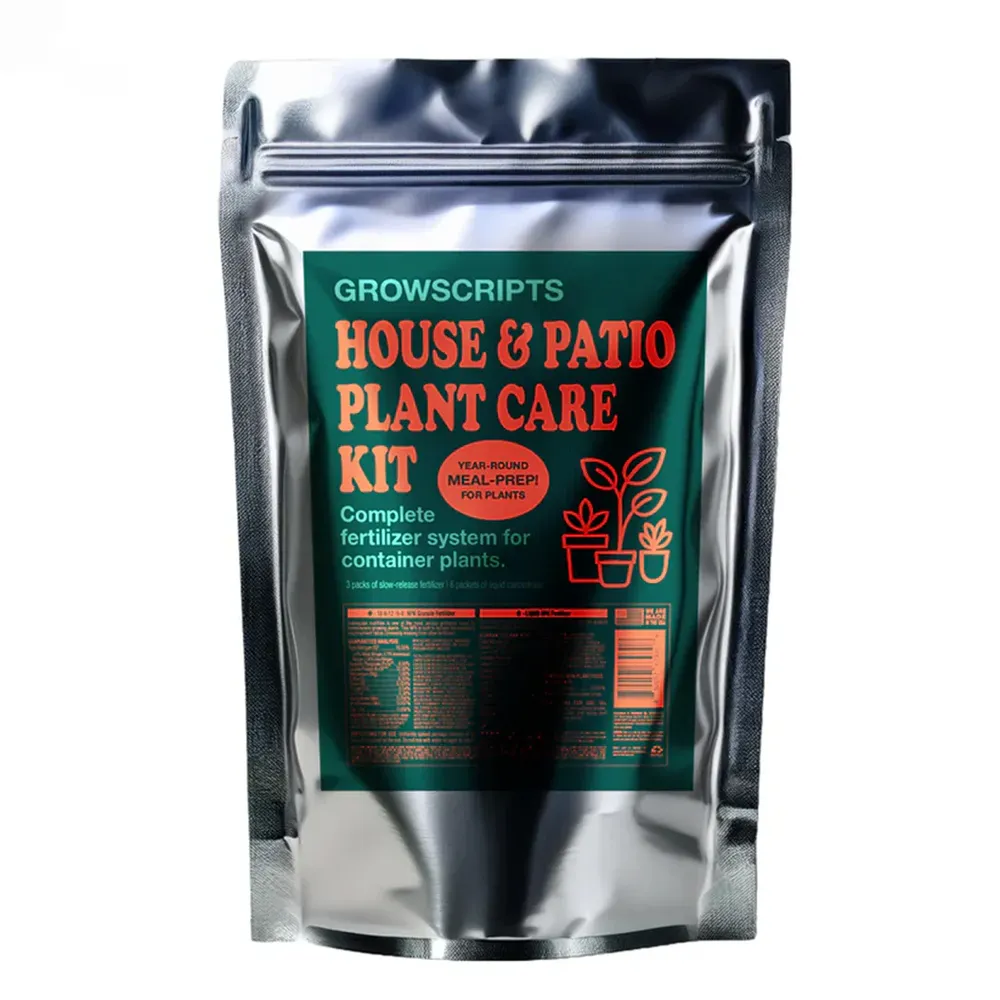
House and Patio Plant Care Kit - Comprehensive Indoor and Outdoor Fertilizer Set
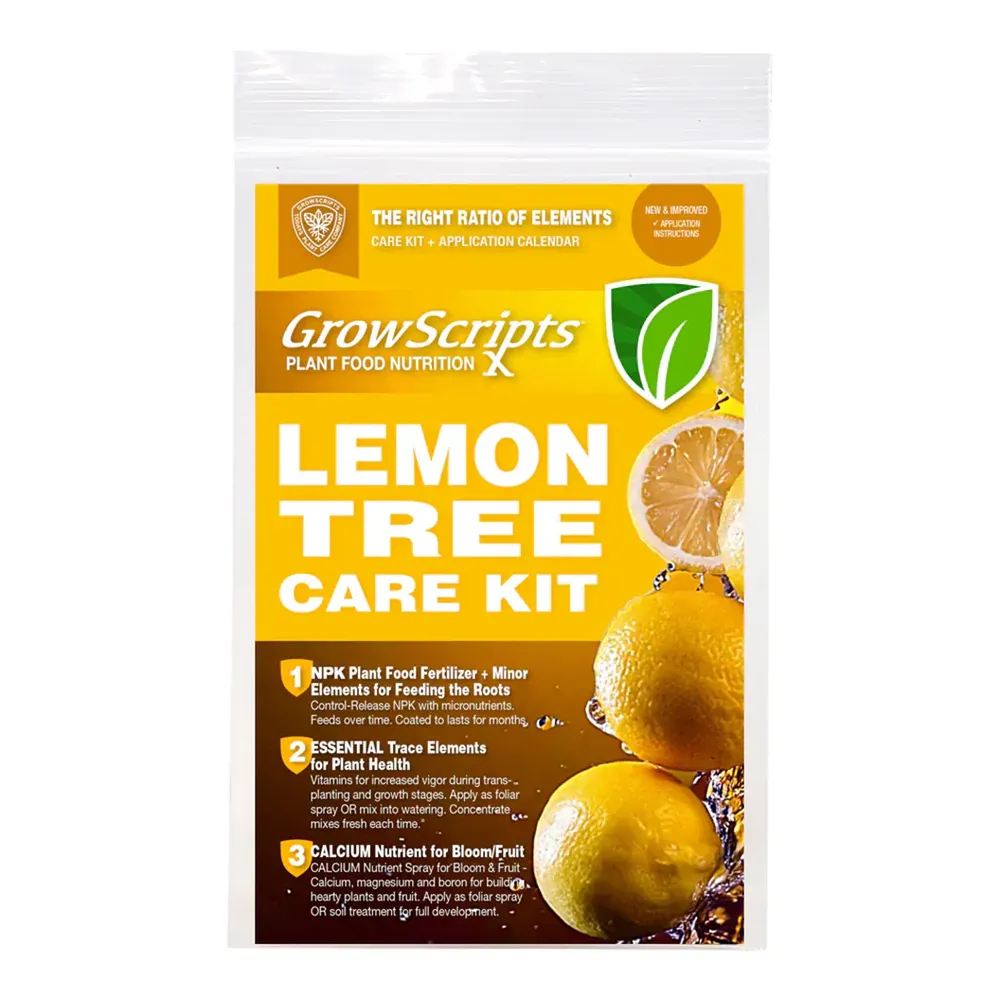
Citrus Tree Care and Maintenance Kit for Lemon and Fruit Trees