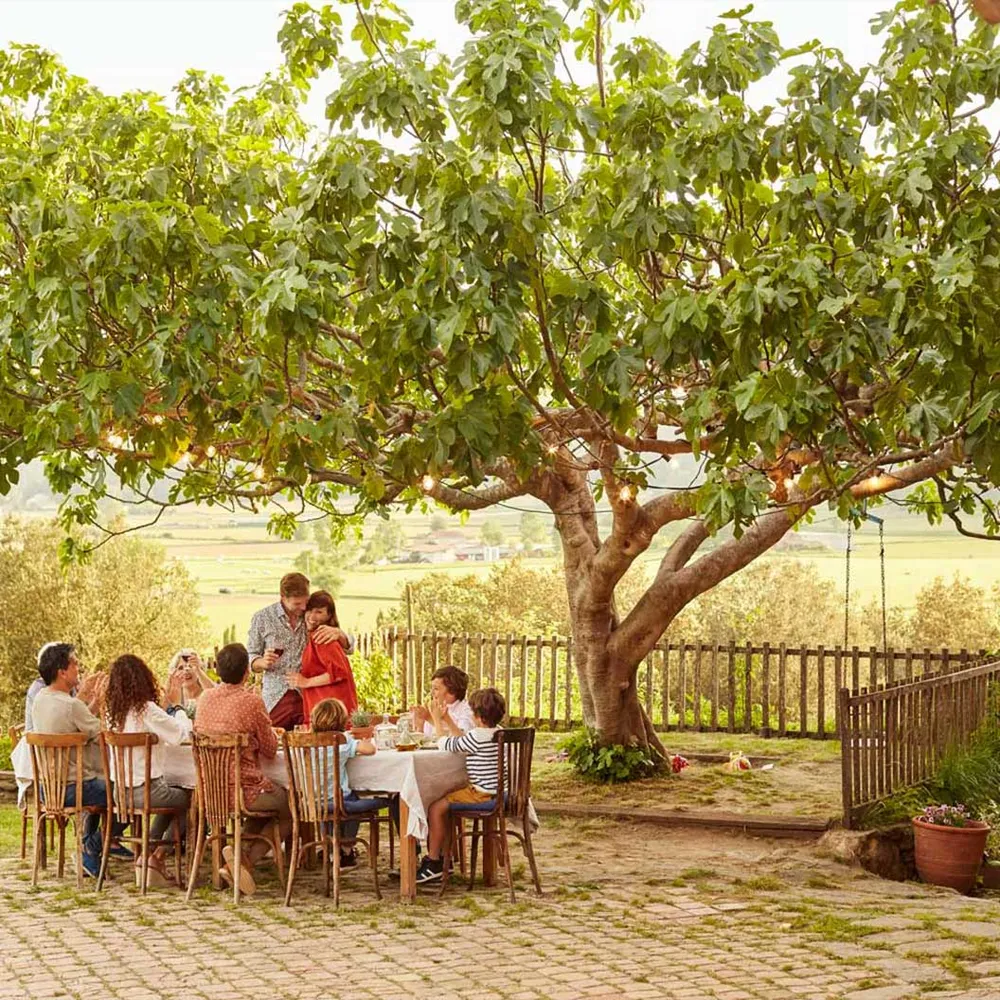
Brown Turkey Fig Tree - Hardy Fruit-Bearing Ficus Carica
$93.95
$102.95
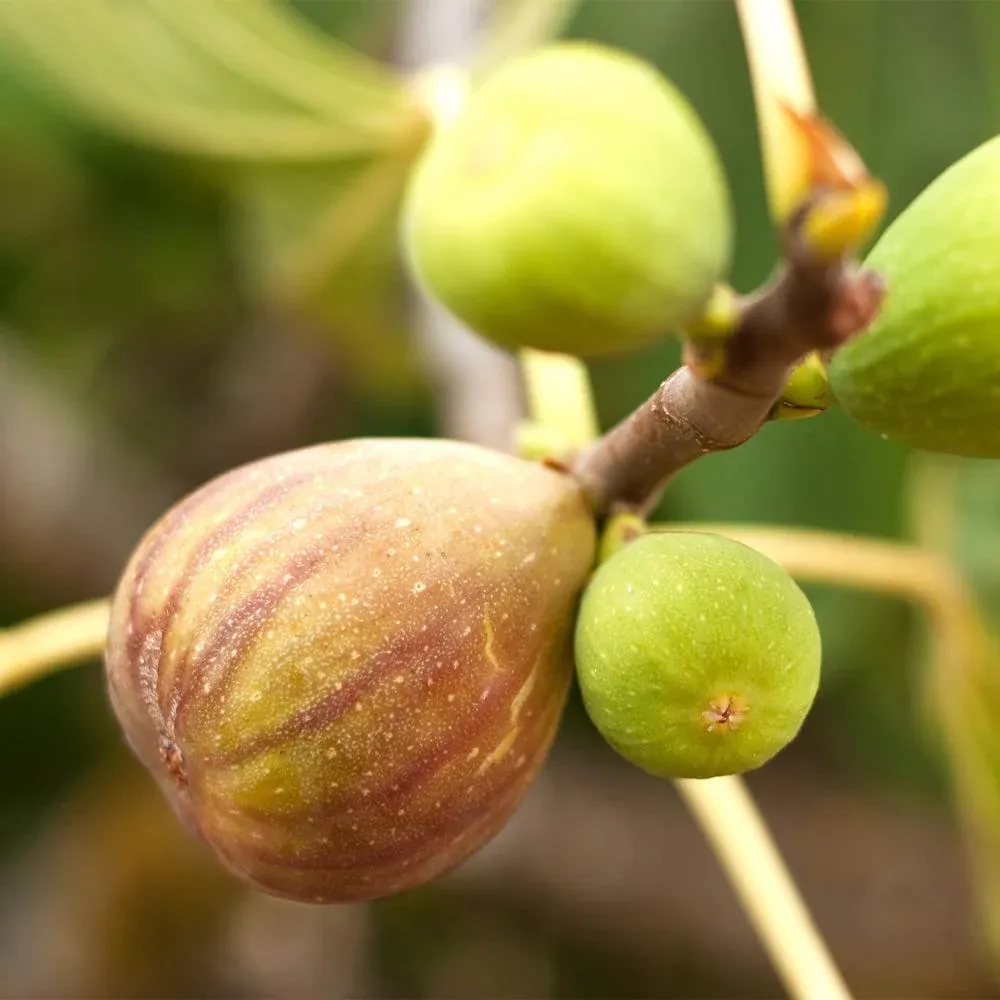
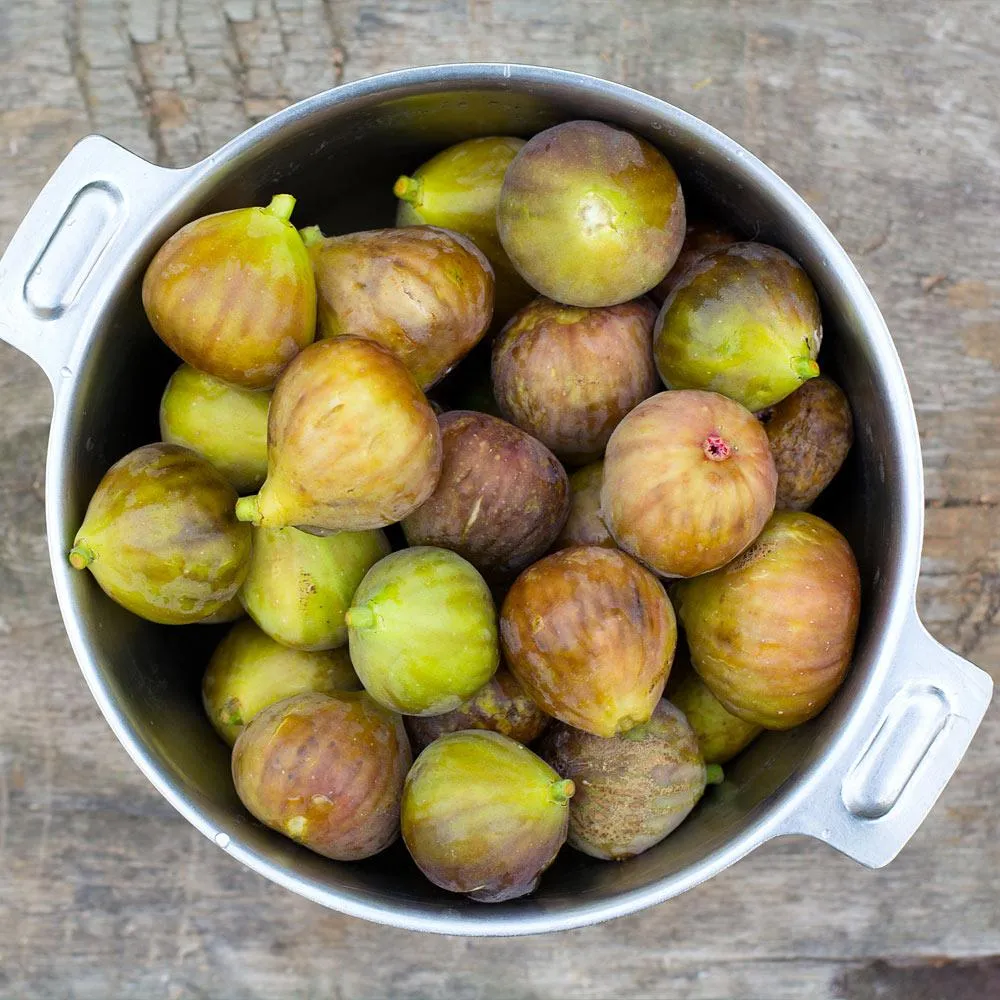
- Produces sweet, brownish-purple fruit with amber-colored flesh.
- Cold-hardy variety suitable for diverse climate zones.
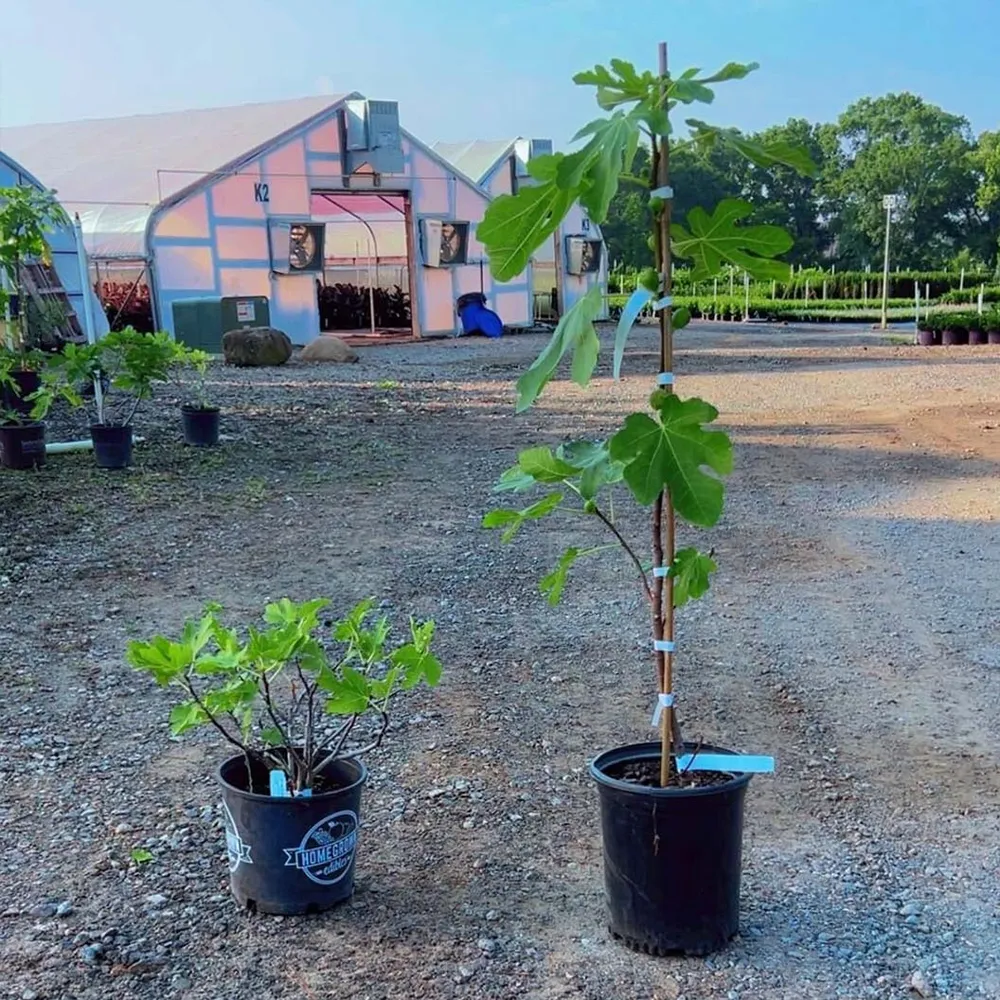
- Adaptable for growth in large containers or direct garden soil.
- Self-pollinating cultivar requiring minimal maintenance once established.
- Features a compact growth habit suitable for home landscapes.
Size: 1-2 feet
Brown Turkey Fig Tree: A Reliable Fruit-Bearing Addition to Your Garden
The Brown Turkey Fig Tree (Ficus carica) is a widely recognized cultivar valued for its consistent fruit production and adaptability. This deciduous tree is favored by home gardeners for its ability to thrive in various environments, providing a reliable harvest of sweet, medium-sized figs with brownish-purple skin and rich, amber-colored flesh.
Growth and Cultivation Characteristics
This variety is known for its vigorous growth and ability to adapt to different planting conditions. Whether placed in a large container on a patio or planted directly into the garden landscape, the tree maintains a manageable size with proper pruning. It is recognized for its cold tolerance compared to other fig varieties, making it a practical choice for regions with varying seasonal temperatures.
Care and Maintenance Requirements
- Soil Conditions: Thrives in well-draining soil with a neutral to slightly alkaline pH. Ensure the planting site prevents water stagnation to support root health.
- Sunlight Exposure: Requires full sun exposure for at least 6 to 8 hours daily to maximize fruit development and sugar content.
- Watering Needs: Consistent moisture is essential during the initial establishment phase. Once mature, the tree demonstrates moderate drought tolerance.
- Pruning: Regular pruning during the dormant season helps maintain the desired shape, improves air circulation, and encourages new growth for the following season.
- Hardiness: Suitable for a range of hardiness zones; in colder climates, container-grown trees can be moved to protected areas during winter months.
You May Also Like

Jobe's Rose Fertilizer Spikes - Slow-Release Nutrient Delivery System
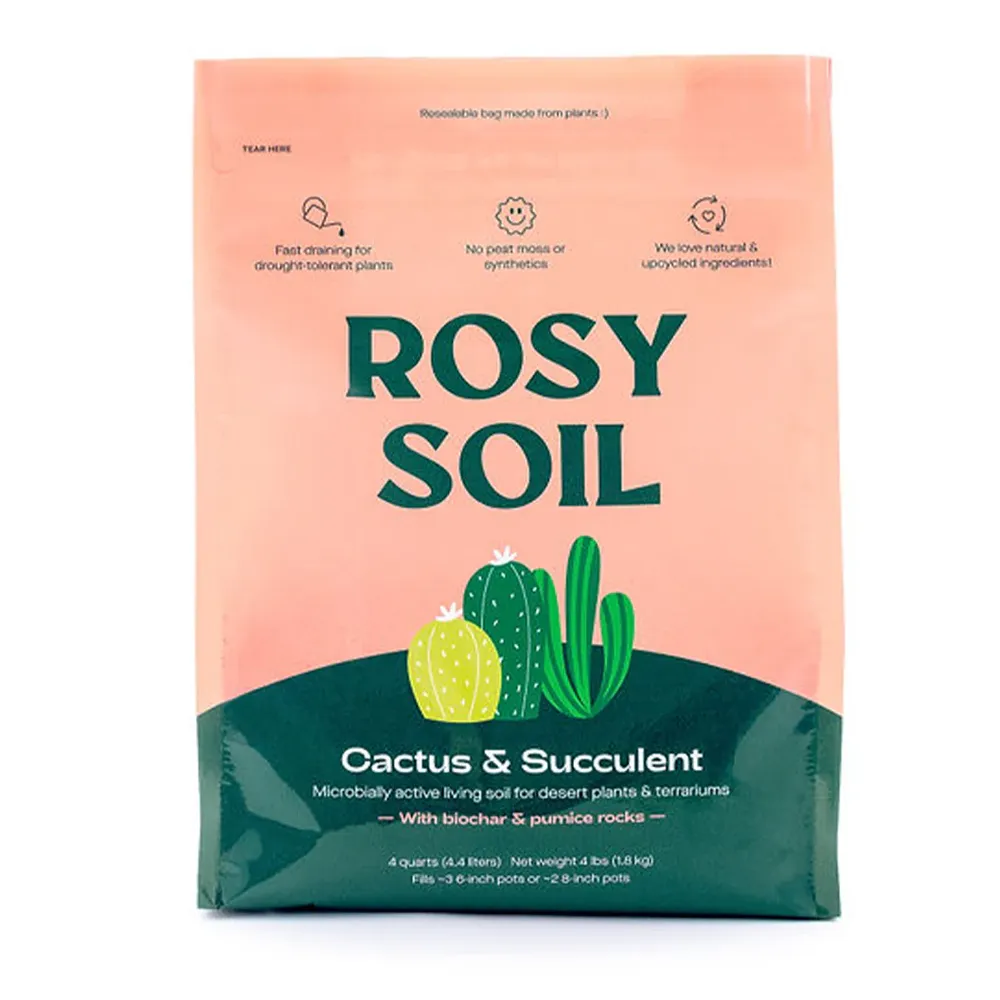
Cactus and Succulent Potting Mix - Fast-Draining Soil Blend for Indoor Plants
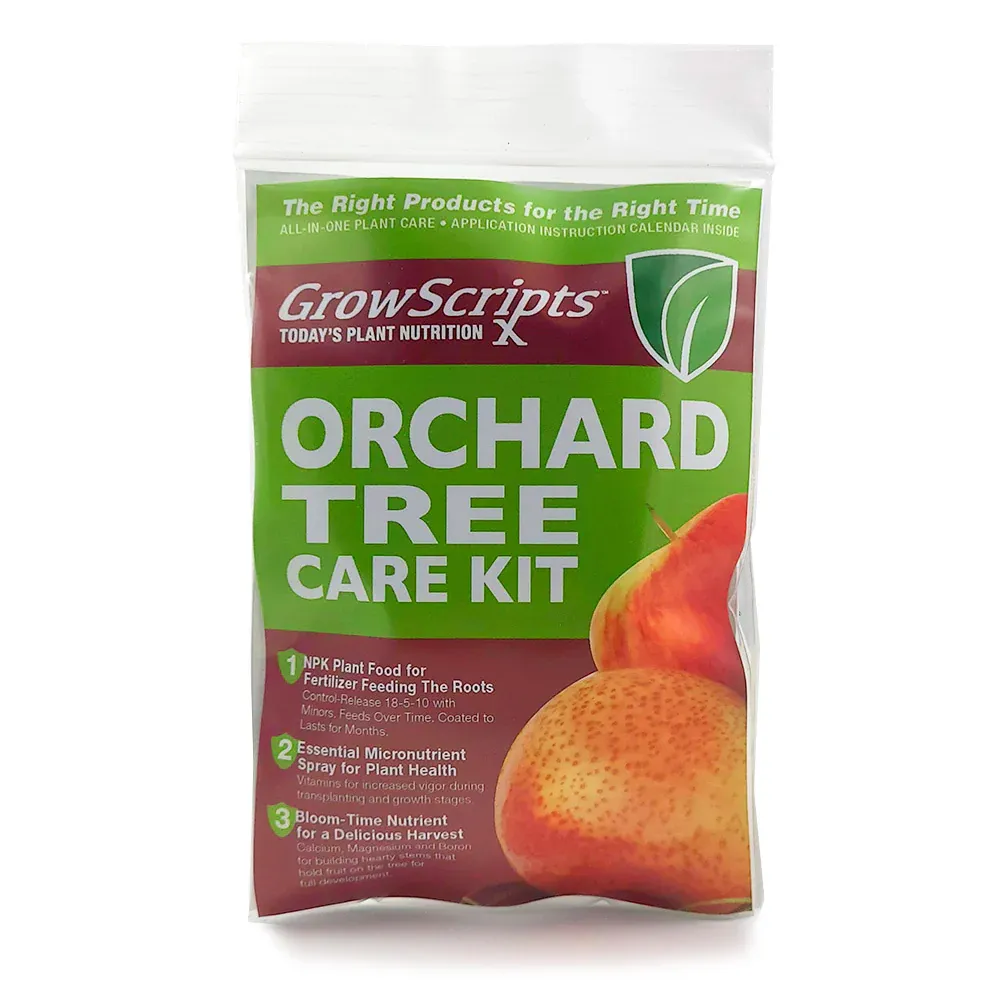
Orchard Tree Care Kit for Fruit Tree Growth and Maintenance

Hydration Boost + Electrolyte Supplement Powder for Daily Hydration Support
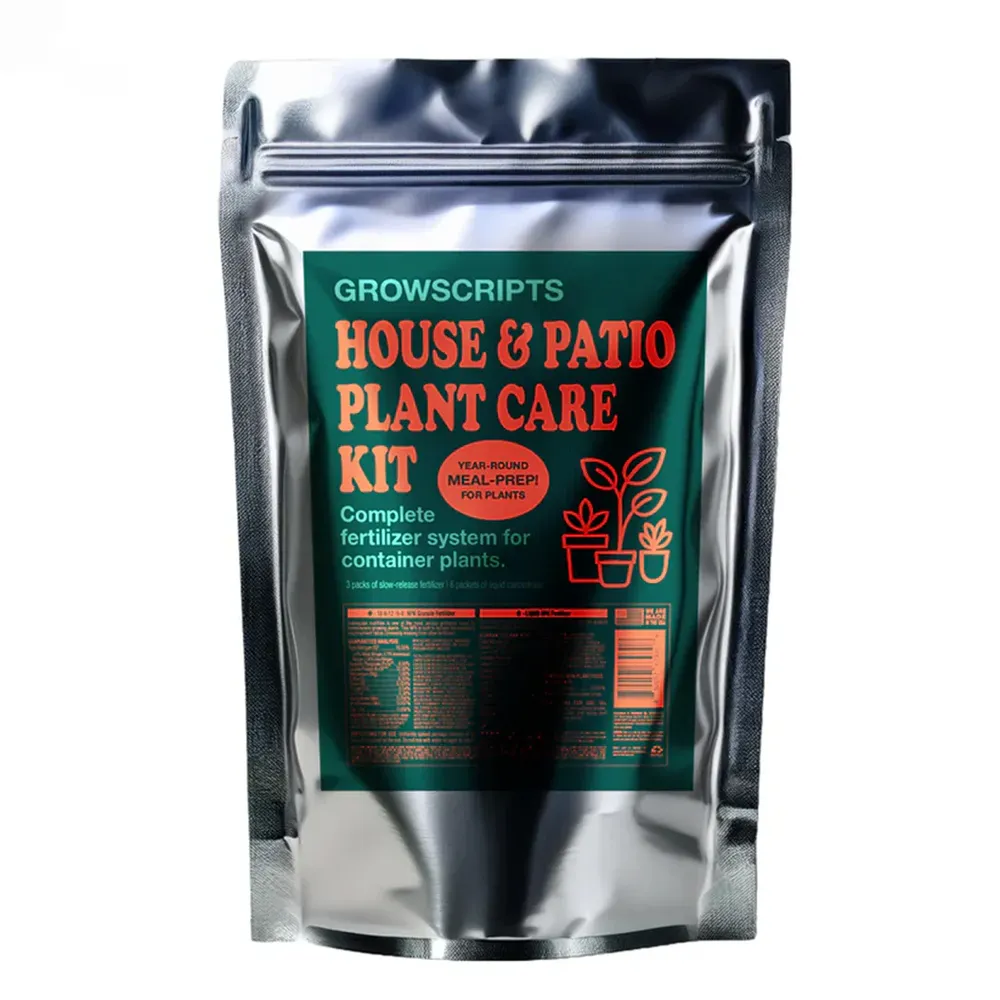
House and Patio Plant Care Kit - Comprehensive Indoor and Outdoor Fertilizer Set
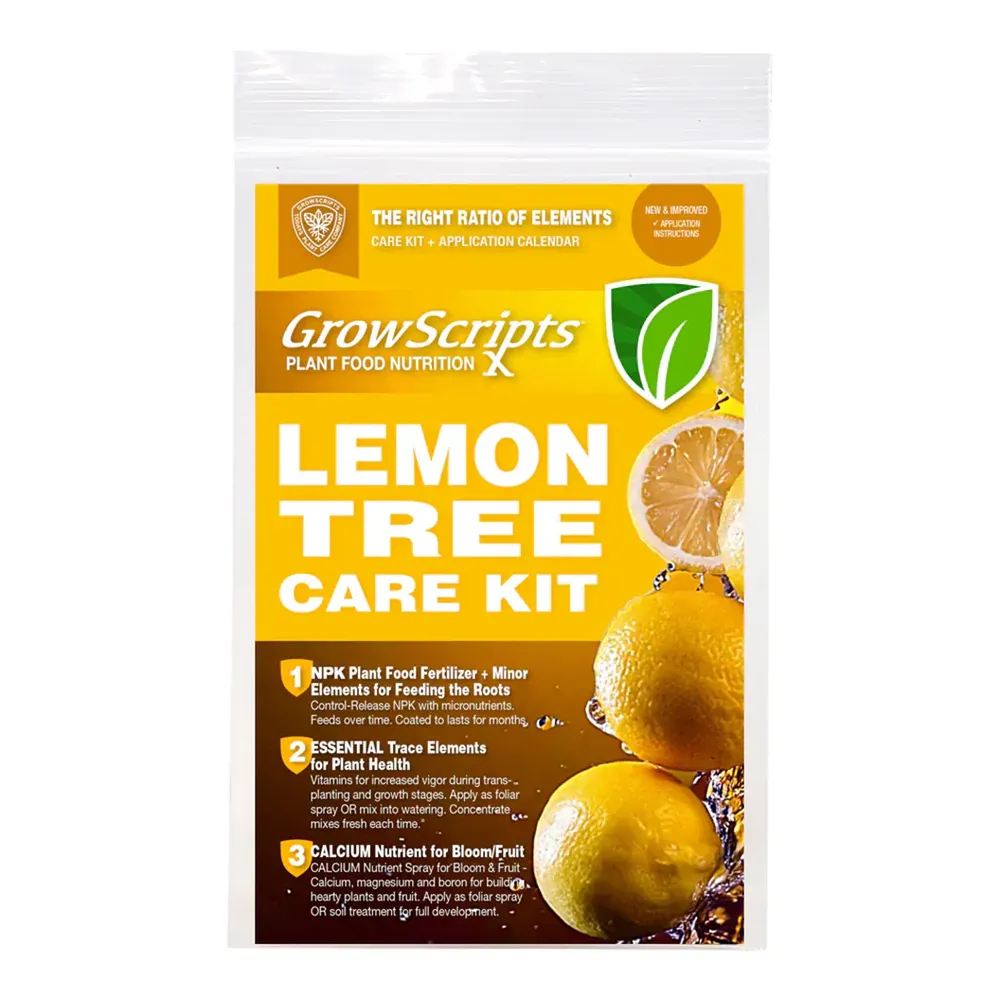
Citrus Tree Care and Maintenance Kit for Lemon and Fruit Trees