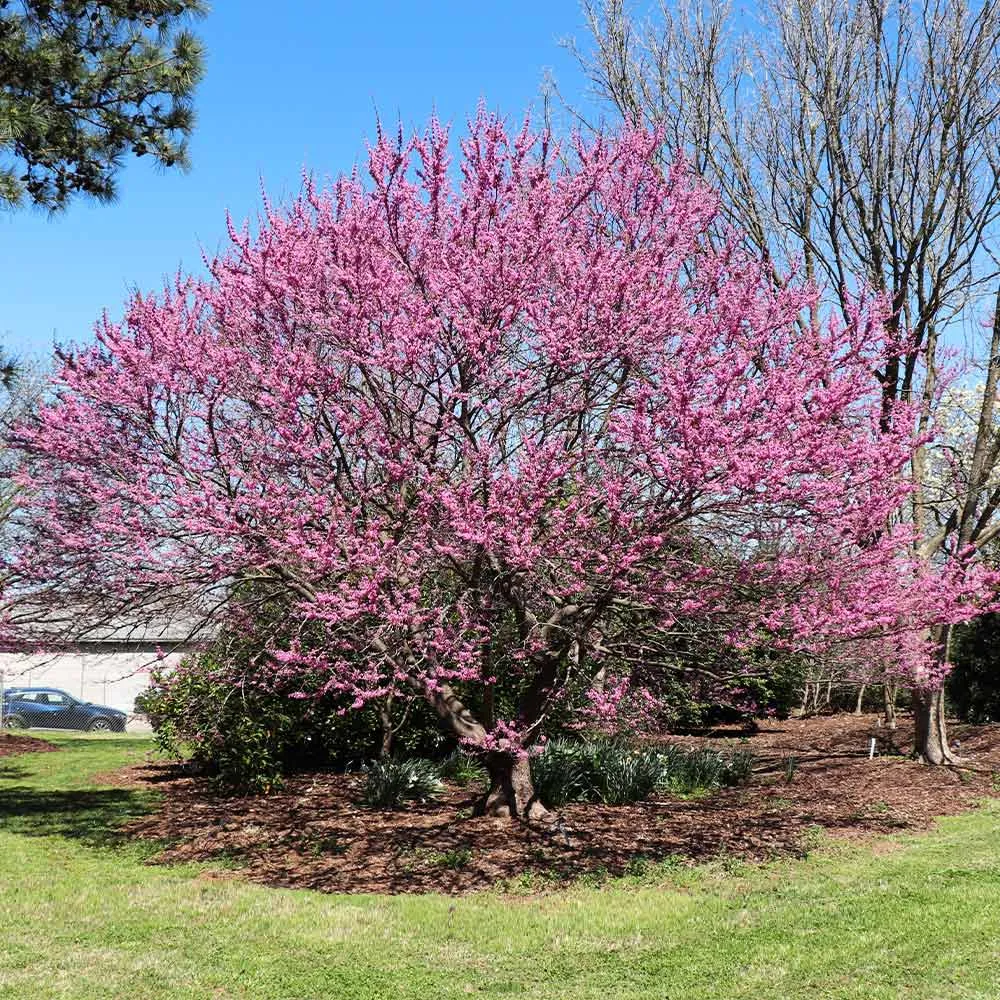
Ace of Hearts Redbud Tree (Cercis canadensis)
$150.95
$159.95
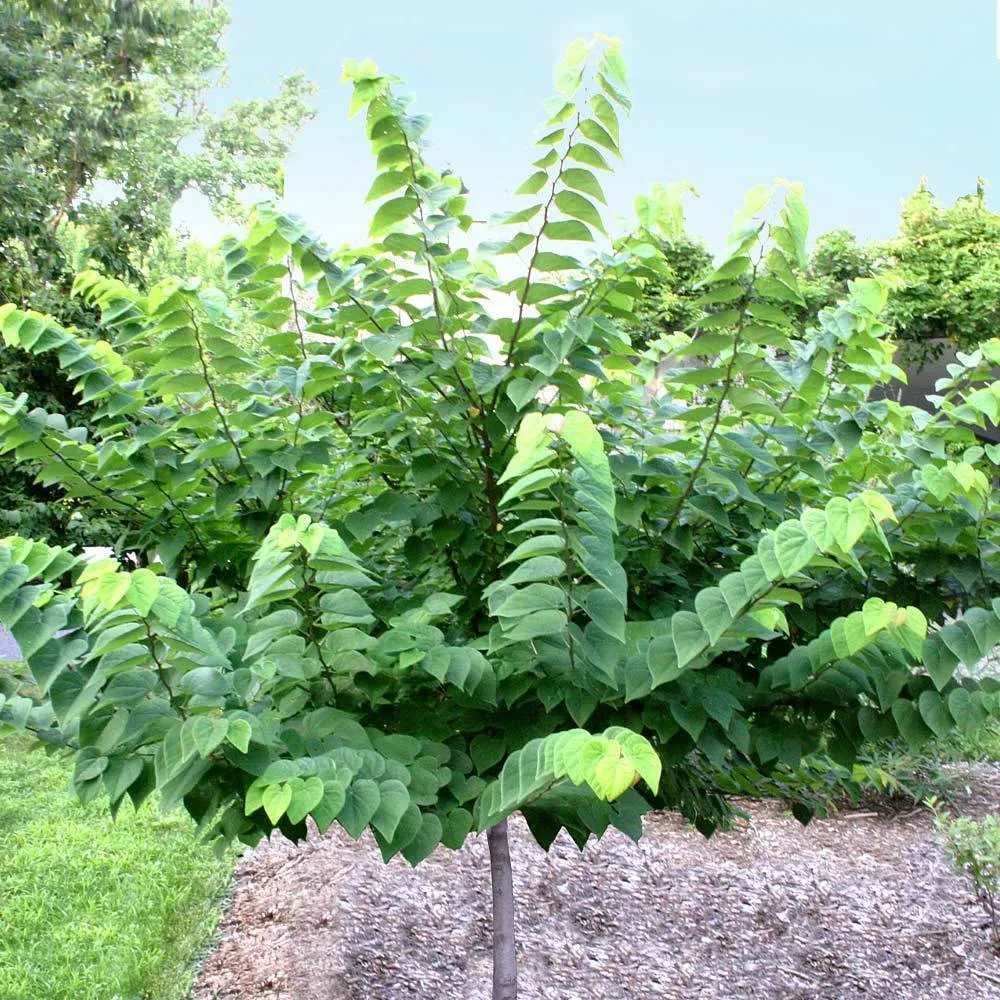
- Features distinctive heart-shaped, glossy leaves that emerge reddish-purple and mature to a deep, lustrous green.
- Compact growth habit suitable for small to medium-sized residential landscapes and garden beds.
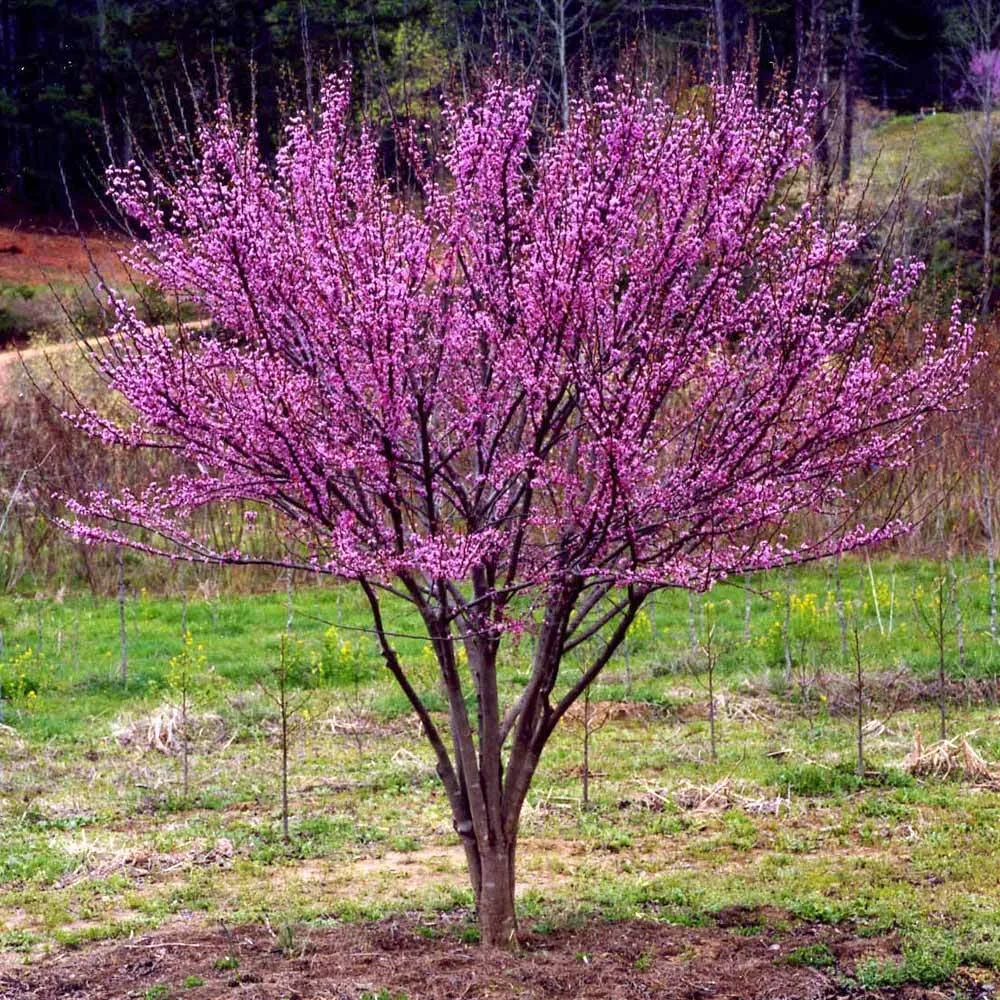
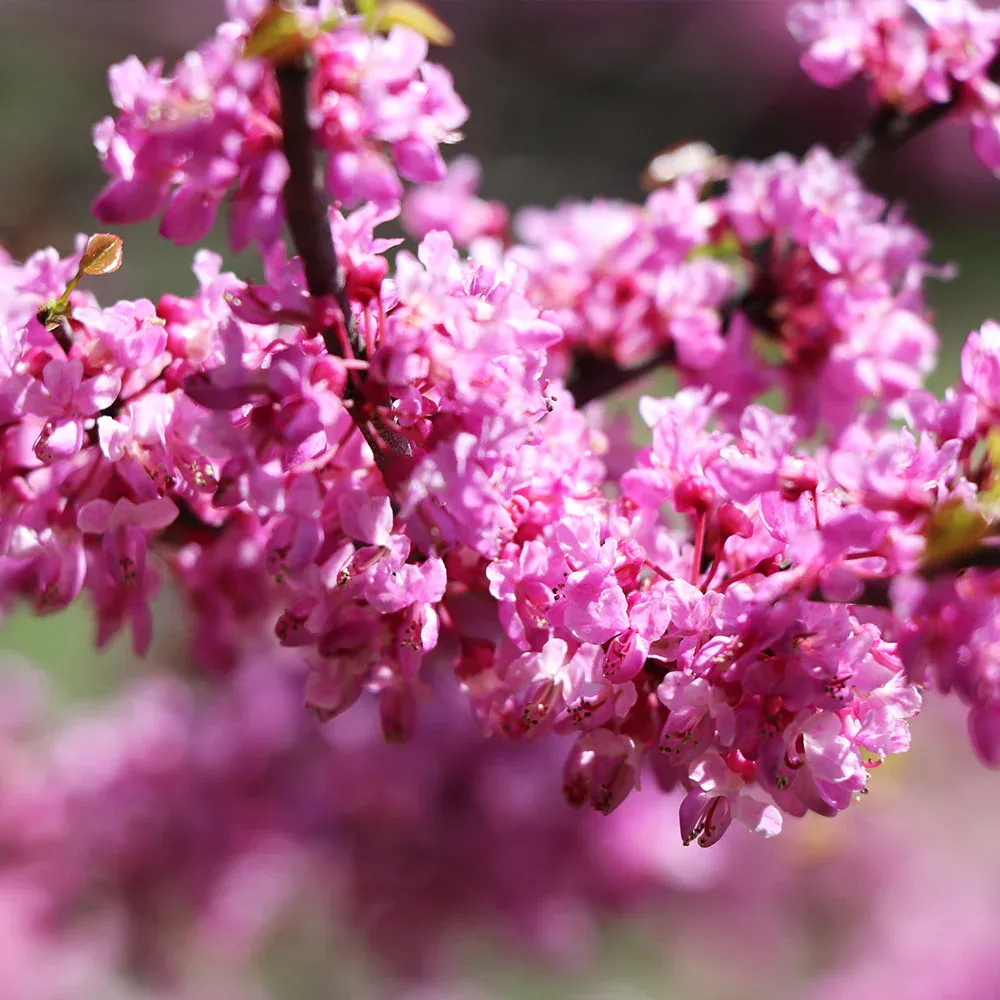
- Produces clusters of small, pinkish-purple flowers along bare branches in early spring.
- Deciduous nature provides seasonal interest with a transition of foliage colors throughout the year.
Size: 4-5 feet
Ace of Hearts Redbud: A Distinctive Ornamental Selection
The Ace of Hearts Redbud (Cercis canadensis) is a deciduous ornamental tree recognized for its unique foliage and compact growth habit. Designed for versatility in landscape design, this cultivar offers a consistent shape and color profile, making it a functional choice for residential gardens, foundation plantings, or as a focal point in smaller outdoor spaces.
Foliage and Seasonal Characteristics
The defining feature of this tree is its heart-shaped leaves. During the spring, the new growth emerges with a reddish-purple hue, providing a contrast to the surrounding landscape. As the season progresses, the foliage transitions into a deep, glossy green. In autumn, the leaves typically shift to shades of yellow before the tree enters its dormant phase.
Growth and Maintenance
This cultivar is characterized by a manageable size, allowing it to fit into areas where larger shade trees may not be appropriate. The branch structure is developed to maintain a balanced form with minimal intervention. To support healthy development, the tree requires well-drained soil and benefits from adequate sunlight exposure. It is adapted to various soil types, provided that water drainage is sufficient to prevent root saturation.
Landscape Application
- Early Spring Bloom: Produces clusters of pinkish-purple flowers on the stems before the leaves fully emerge, providing early seasonal color.
- Compact Size: Suitable for urban gardens, patio containers, or smaller yard footprints.
- Structural Integrity: The tree maintains a dense, rounded habit, reducing the need for extensive pruning to manage its shape.
You May Also Like
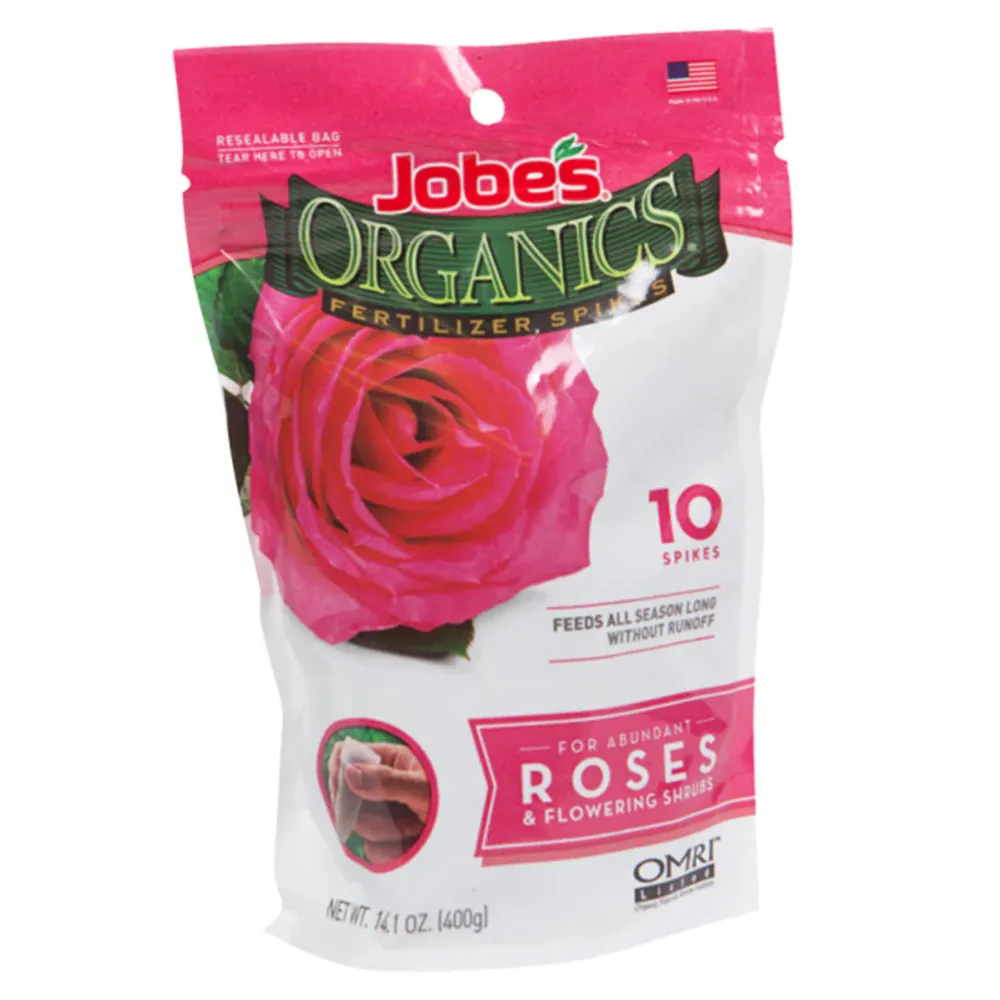
Jobe's Rose Fertilizer Spikes - Slow-Release Nutrient Delivery System
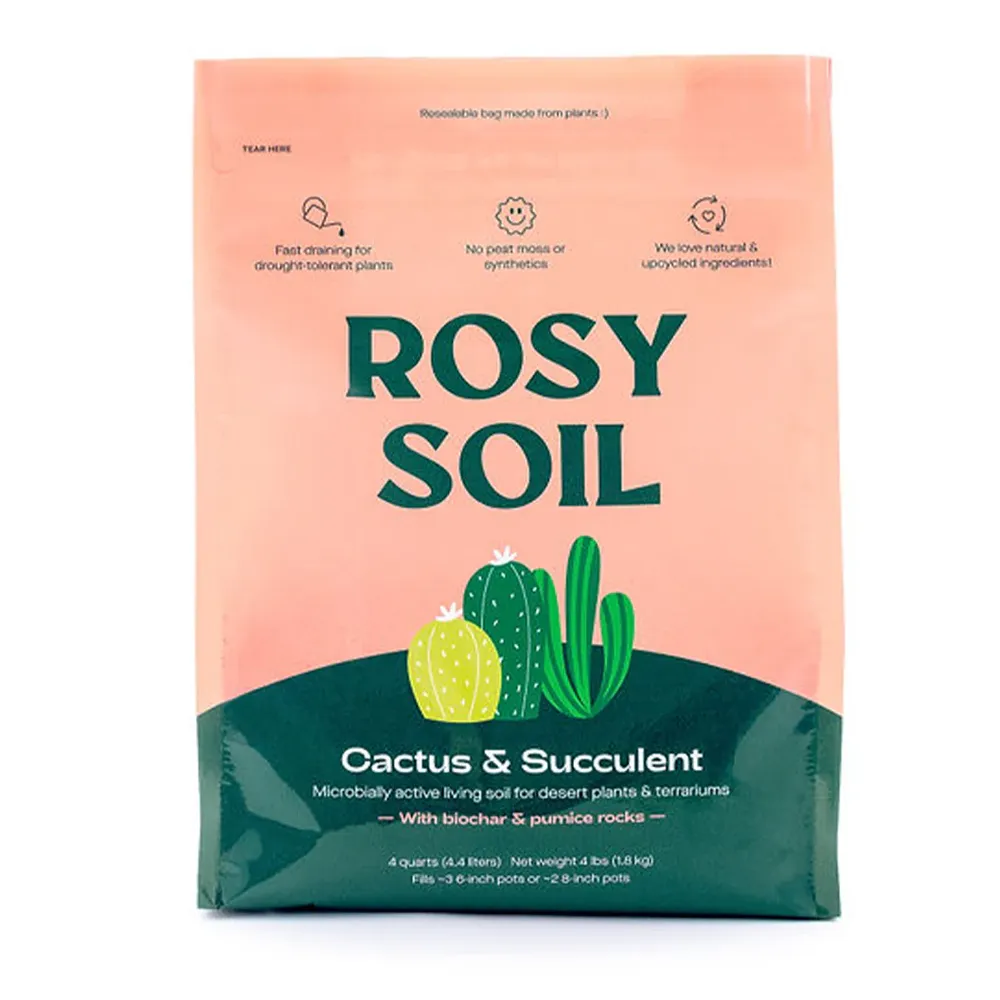
Cactus and Succulent Potting Mix - Fast-Draining Soil Blend for Indoor Plants
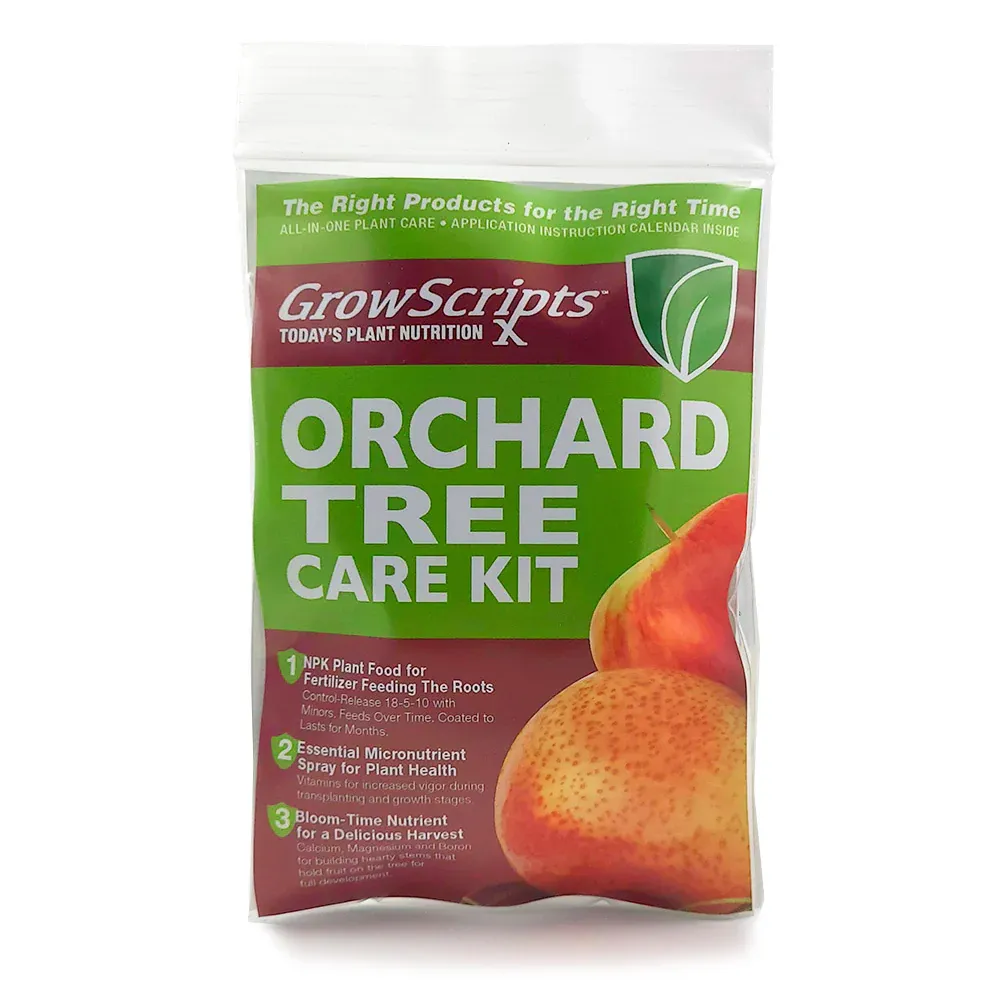
Orchard Tree Care Kit for Fruit Tree Growth and Maintenance

Hydration Boost + Electrolyte Supplement Powder for Daily Hydration Support
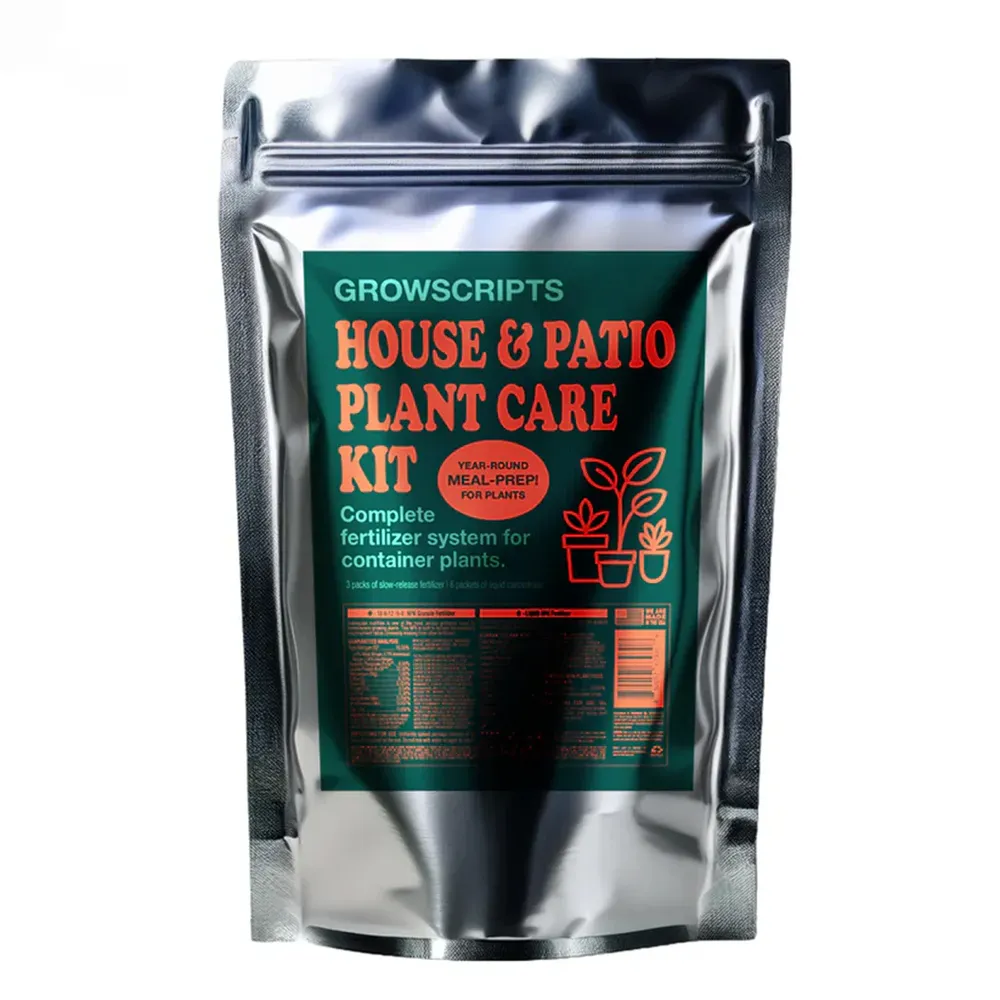
House and Patio Plant Care Kit - Comprehensive Indoor and Outdoor Fertilizer Set
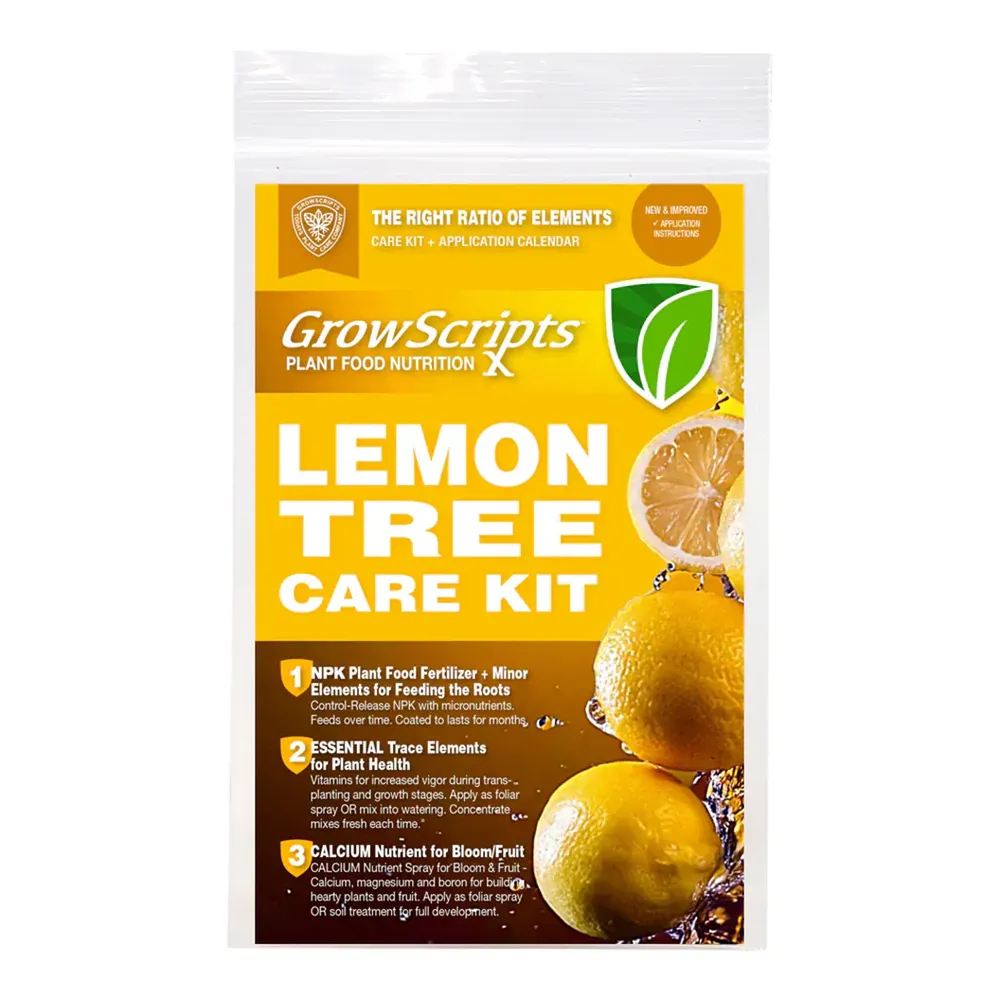
Citrus Tree Care and Maintenance Kit for Lemon and Fruit Trees